How to Master Your 2026 Everyday Essentials in Portugal
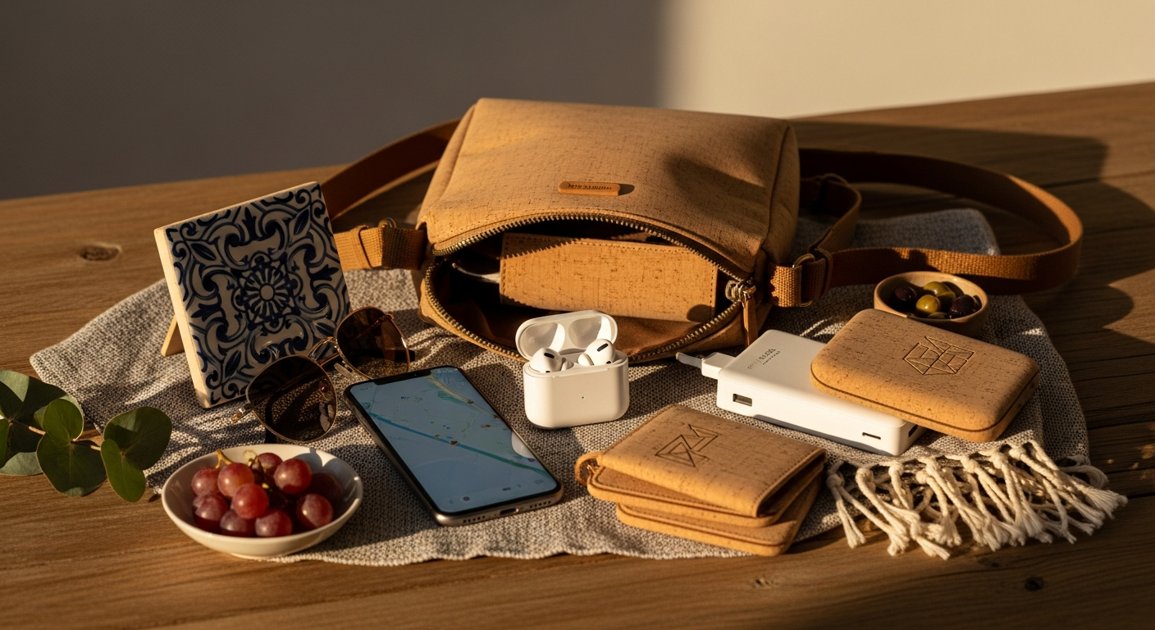
Portugal has successfully transitioned from a paper-heavy bureaucracy to a leader in digital administrative services, making it one of the most efficient destinations for expatriates in the Eurozone. Establishing your residency requires more than a plane ticket and a lease; it demands a strategic approach to the country’s foundational administrative pillars. This living in portugal 2026 guide provides the specific technical steps required to secure your tax identification, establish robust financial channels, and activate essential home services without the delays common to unprepared arrivals.
The Foundation: Securing Your NIF (Número de Identificação Fiscal)
The NIF is the most critical document for any individual relocating to Portugal. It is a nine-digit tax identification number used for everything from signing a gym membership to purchasing a property. By 2026, the process has become almost entirely digital, yet the legal requirements regarding your country of origin remain strict.
Fiscal Representation Requirements
While EU/EEA residents can apply for a NIF directly, non-EU residents typically require a fiscal representative—a person or entity already resident in Portugal who acts as a liaison with the Tax Authority (Finanças). Although laws have fluctuated regarding the mandatory nature of this for all non-residents, having a representative remains the standard practice for ensuring tax notifications are received and processed correctly during your first year.
To obtain your NIF, you will need:
- A valid passport (scanned in high resolution).
- Proof of address from your current country of residence (e.g., a utility bill or bank statement).
- A power of attorney document if using a professional fiscal representation service.
Step-by-Step NIF Acquisition
- Choose Your Method: You can apply in person at a Loja do Cidadão or Repartição de Finanças, but most new arrivals now use online service providers to secure their NIF before they even land.
- Submit Documentation: Ensure your proof of address is translated if it is not in English, Portuguese, Spanish, or French (though English is widely accepted in 2026).
- Receive Your Document: The NIF is issued as a PDF document (the Certidão de Registo de Contribuinte). Keep this file accessible on your phone; you will be asked for the number daily.
Establishing Financial Roots: Banking in 2026
Having a local Portuguese IBAN (starting with PT50) is essential for local life. While international neobanks are popular, many Portuguese utility companies and government entities still prefer, or occasionally require, a local account for Direct Debit (Débito Direto) setups.
Preparing for Your Move: The Living in Portugal 2026 Guide to Banking
The Portuguese banking sector is dominated by a few major players: Millennium BCP, Banco Santander Portugal, Novo Banco, and the state-owned Caixa Geral de Depósitos (CGD). For those seeking lower fees, digital-first options like ActivoBank (owned by Millennium) remain a top choice for residents due to their lack of monthly maintenance fees.
| Account Type | Best For | Key Advantage |
|---|---|---|
| Traditional (Millennium/Santander) | Mortgages & Complex Investments | Widespread physical branch access |
| Digital-First (ActivoBank) | Everyday Spending | Zero or low monthly fees |
| State-Owned (CGD) | Maximum Security | Standard for public sector employees |
| Basic Services Account | Budget-Conscious Residents | Capped fees by law (Conta de Serviços Mínimos) |
The Multibanco System
One aspect of Portuguese banking that surprises many is the Multibanco network. This is not just a series of ATMs; it is a sophisticated interbank network. From any ATM, you can pay your electricity bills, top up your phone credit, pay your taxes, and even buy train tickets. In 2026, the MB Way app remains the dominant mobile payment solution, allowing for instant transfers using just a phone number. Ensure your bank supports MB Way immediately upon account opening.
Required Documentation for Bank Accounts
To open an account, you must provide:
- Your NIF document.
- A valid government-issued ID (Passport).
- Proof of residence (Rental contract or utility bill).
- Proof of profession (Employment contract, payslip, or worker's certificate).
- A Portuguese mobile number (recommended for 2FA and MB Way).
Utility Providers and the Living in Portugal 2026 Guide to Energy Markets
Portugal’s energy market is liberalized, meaning you have the freedom to choose your provider for electricity and natural gas. By 2026, there is a heavy emphasis on green energy tariffs, with many providers offering discounts for those with electric vehicle (EV) charging needs or solar panel installations.
Electricity and Gas
The primary providers are EDP Comercial, Galp, Endesa, and Iberdrola. When setting up your electricity, you must choose your Potência Contratada (Contracted Power). This is a limit on how much electricity your home can pull at once. For a standard couple, 6.9 kVA is usually sufficient. If you have multiple air conditioning units and an electric oven, you may need 10.35 kVA.
Pro-Tip: Check if you qualify for the Tarifa Social. This is a significant discount on electricity and gas for low-income households or those with specific social benefits. Even if you don't qualify, look for "Gold" or "Family" plans that bundle gas and electricity for a 10-20% discount.
Water Services
Unlike electricity, water is managed by local municipal authorities or private concessions. For example, in Lisbon, it is EPAL; in Porto, it is Águas do Porto. You cannot shop around for water providers. To set up your account, you will need to provide your rental agreement and NIF. Be aware that water bills also include waste management and sanitation fees, which are calculated based on your water consumption.
Connectivity: Internet, TV, and Mobile
Portugal boasts some of the highest fiber-optic penetration rates in Europe. In 2026, 1Gbps speeds are the standard for urban households. The market is controlled by three main providers: MEO (Altice), NOS, and Vodafone. Recently, Digi has also entered the market as a competitive low-cost alternative.
Understanding Contracts (Fidelização)
The standard contract length in Portugal is 24 months. While shorter contracts exist, they often come with high installation fees (€300+). Most providers offer a "pacote" (package) that includes fiber internet, TV channels, a landline, and one or two mobile SIM cards. These bundles offer the best value, but ensure you test mobile coverage in your specific neighborhood before committing, as terrain can affect signal in hilly areas or coastal regions.
Setting Up Your Connection
- Check Coverage: Visit the provider’s website and enter your postal code to see if "Fibra" is available.
- Choose Your Speed: 500 Mbps is plenty for remote work; 1 Gbps is better for households with multiple 4K streams.
- Installation: Technicians usually arrive within 3-5 business days. You must be present to sign the physical contract.
Navigating the Logistics of Move-In Day
Success in Portugal often comes down to timing. If you are moving into a rental, ensure you have the NIF and bank account ready at least two weeks before your move-in date. Utility companies can take anywhere from 48 hours to a week to transition a contract into your name. If the previous tenant has cut the power completely, you may need a technician to visit, which can cause delays.
The Practical Checklist
- NIF: Obtained prior to arrival or in the first 48 hours.
- Mobile SIM: Get a local SIM immediately for 2FA on banking apps.
- Bank Account: Open as soon as you have a local address or NIF.
- Utilities: Transfer contracts within 3 days of receiving keys to avoid service interruption.
- SNS Number: Visit your local Centro de Saúde with your residency permit to get your public health number.
Conclusion
Mastering the everyday essentials in Portugal requires a methodical approach to the country's bureaucratic and commercial systems. By securing your NIF early, choosing a bank that aligns with your digital habits, and understanding the nuances of the liberalized energy market, you position yourself for a stable and productive life in one of Europe’s most welcoming nations. While the paperwork may seem daunting initially, the digitalization of the 2026 landscape has made these processes more transparent than ever. Focus on the sequence outlined in this guide, and you will find that the administrative hurdles are merely a gateway to the high quality of life that Portugal offers.
Ready to Start Your Portuguese Move?
Don't let bureaucracy slow you down. Download our comprehensive Relocation Checklist for 2026 to ensure you have every document ready for your first 30 days in Portugal.