How to Master Bulgaria’s Transit and Regional Travel in 2026
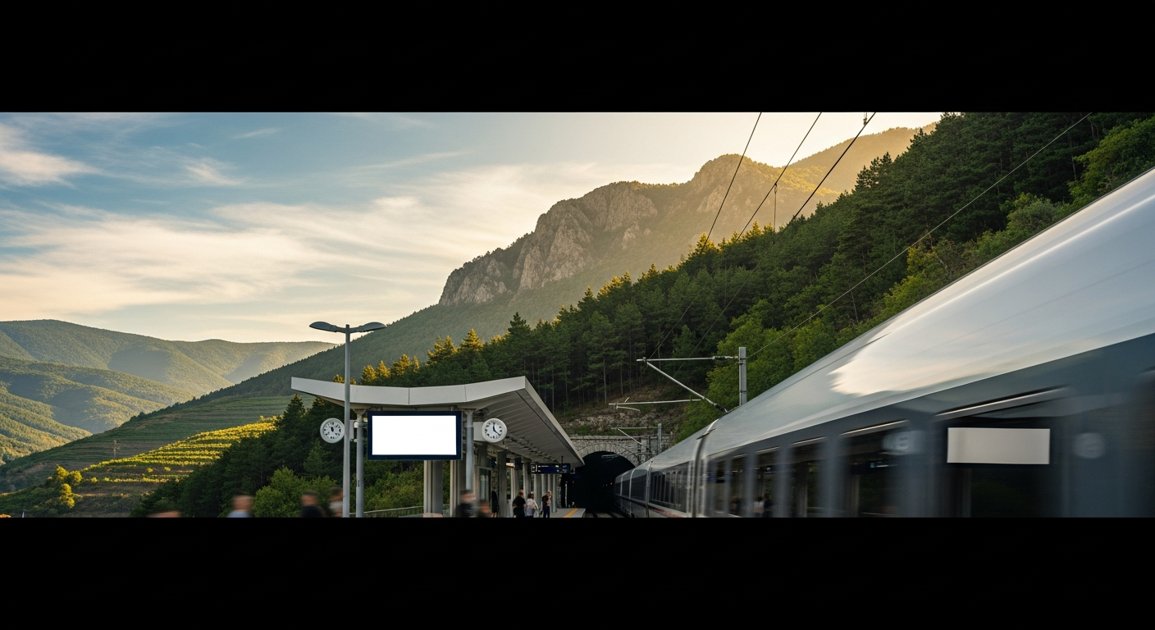
The 2026 Infrastructure Shift in Bulgaria
Bulgaria has committed over 1.3 billion BGN to modernizing its transport infrastructure by 2026, transforming the country from a region of aging Soviet-era rails into a hub of high-speed connectivity. For expats and long-term residents, navigating this landscape requires more than just a map; it requires a data-driven bulgaria public transport guide to understand the integration of digital payment systems, new rolling stock, and the expansion of the Sofia Metro. Whether you are commuting within the capital or planning a regional move to Plovdiv or Varna, the efficiency of your transition depends on mastering these localized systems.
The Backbone of the Capital: Sofia Metro and Urban Transit
Sofia’s Metro system is arguably the most efficient in Southeast Europe, and by 2026, the completion of the Line 3 extensions has further solidified its role as the city's primary artery. The system currently consists of four lines (M1, M2, M3, and M4) that connect the airport, the central railway station, and the dense residential districts of Lyulin and Mladost.
Ticketing and Digital Payments in Sofia
As of 2026, paper tickets have been almost entirely phased out in favor of the Sofia City Card and contactless payments. You can pay for any journey using a contactless Visa, Mastercard, or mobile wallet (Apple Pay/Google Pay) directly at the turnstiles or on validators in buses and trams.
- Single Journey: 1.60 BGN (valid for 30 minutes of transfers).
- Daily Pass: 4.00 BGN (capped at this price when using the same contactless card).
- Monthly Unlimited: 50.00 BGN (requires a Sofia City Card issued with a photo).
- Yearly Pass: 365.00 BGN (the most cost-effective option for residents).
Expansion and Future-Proofing
The 2026 expansion includes the new sections of the Green Line (M3), reaching the Levski G district and increasing the frequency of trains during peak hours to intervals of 3 minutes. For those relocating, choosing a property within a 10-minute walk of an M3 station significantly increases property liquidity and reduces reliance on private vehicles.
National Rail: Utilizing the Bulgaria Public Transport Guide for Intercity Travel
The Bulgarian State Railways (BDZ) has undergone its most significant overhaul in four decades. By 2026, the introduction of new Siemens Smartron locomotives and Skoda push-pull train sets has reduced travel times between major cities by up to 20%. The Sofia-Plovdiv corridor now operates at speeds of 160 km/h, making a daily commute between the two cities feasible for the first time.
Booking Tickets Online
While physical ticket offices still exist at the Central Railway Station (Tsentralna Gara), expats should use the official BDZ e-ticketing portal. This platform allows for seat selection and applies discounts for families, students, and seniors. It is mandatory to carry a digital or printed copy of the QR code for onboard inspection.
| Route | Estimated Duration (2026) | Approximate Cost (Second Class) |
|---|---|---|
| Sofia to Plovdiv | 1h 15m | 12.00 BGN |
| Sofia to Burgas | 4h 30m | 28.00 BGN |
| Sofia to Varna | 5h 45m | 32.00 BGN |
| Plovdiv to Burgas | 2h 45m | 18.00 BGN |
The Regional Bus Network: Connecting the Gaps
While the rail network covers major cities, the regional bus network remains essential for reaching smaller towns and mountain resorts like Bansko or Borovets. Private carriers such as Union Ivkoni, Biomet, and Etap-Grup dominate the market. These coaches generally depart from the Central Bus Station in Sofia, located adjacent to the train station.
Step-by-Step: Taking a Regional Bus
- Check Schedules: Use the Central Bus Station Sofia website or global aggregators like GetByBus.
- Purchase in Advance: During the summer (Black Sea season) and winter (ski season), tickets sell out days in advance.
- Luggage Fees: Most carriers include one large suitcase in the hold; additional bags may incur a 2–5 BGN fee paid directly to the driver.
- Identify Your Terminal: Sofia has multiple terminals (Central, Serdika, South/Yug, and West/Zapad). Always verify which one your bus departs from.
Driving Laws and the Bulgaria Public Transport Guide for Motorists
If you choose to drive in Bulgaria, you must adhere to the electronic tolling system known as the e-vignette. This is mandatory for all cars using national roads (highways and first-class roads) outside of urban municipalities. Fines for non-compliance are strictly enforced via a network of automated cameras.
The BGTOLL System
Bulgaria does not use physical toll booths. Instead, you must purchase an e-vignette via the BGTOLL website or mobile app. You enter your vehicle's license plate number and country of registration. Ensure you enter the characters exactly as they appear; mistyping a single digit can result in a 300 BGN fine.
- Weekend Vignette: 9.00 BGN
- Weekly Vignette: 13.00 BGN
- Monthly Vignette: 27.00 BGN
- Quarterly Vignette: 48.00 BGN
- Annual Vignette: 87.00 BGN
Parking in Major Cities
Sofia, Plovdiv, and Varna utilize "Blue" and "Green" zones for street parking. Payment is handled via SMS to a shortcode (1302 for Blue, 1303 for Green in Sofia) or via the "Urbo" app. Note that you must have a Bulgarian mobile number to pay via SMS. Failure to pay results in the "clamp" (wheel lock) and a fine of roughly 30 BGN plus the hourly rate.
Taxis and Ride-Hailing Apps
Uber does not operate in Bulgaria due to legal restrictions, but the local market is well-served by regulated taxi apps. In 2026, the shift toward electric taxi fleets in Sofia and Plovdiv has increased, with several companies exclusively operating EVs.
- Yellow Taxi: The most reliable app in Sofia, offering card payments within the app.
- TaxiMe: A popular aggregator that rates drivers and provides estimated costs upfront.
- HippoTaxi: Effective for quick pickups in residential areas.
Always avoid unmarked taxis or those hovering near tourist hotspots without a clear price list displayed on the window. Standard rates in 2026 hover around 2.50 BGN starting fee and 1.30 BGN per kilometer.
Frequently Asked Questions
Is the public transport in Bulgaria accessible for non-Bulgarian speakers?
Yes. By 2026, all major transit hubs, including the Sofia Metro and national rail stations, have English signage and automated voice announcements in both Bulgarian and English. The BDZ e-ticketing site and the Sofia City Card app are also fully localized in English.
Can I bring my pet on Bulgarian trains and buses?
Pets are allowed on BDZ trains provided they are in a carrier or, for larger dogs, muzzled and on a leash (a half-price ticket is required for large dogs). Regional buses are more restrictive and generally only allow small pets in carriers at the driver’s discretion.
Do I need an International Driving Permit (IDP) in Bulgaria?
If you hold a driver's license from an EU member state, Switzerland, or the UK, you do not need an IDP. Residents from the US, Canada, or Australia are legally required to carry an IDP alongside their valid national license for the first year of residency.
What is the most reliable way to travel to the Black Sea coast?
For speed and comfort, the modernized rail link from Sofia to Burgas is the best option. For flexibility and reaching smaller coastal villages like Lozenets or Sinemorets, a rental car with a valid e-vignette is recommended.
Strategic Advice for New Residents
Mastering Bulgaria’s transit system is a prerequisite for a successful relocation. The country is moving rapidly toward a digital-first approach, making it easier than ever for expats to navigate without deep linguistic knowledge. By prioritizing the Sofia Metro for daily commutes and the upgraded rail network for regional exploration, you can significantly reduce your cost of living while enjoying the logistical benefits of a modernizing EU state. Always ensure your digital wallets are updated and your e-vignettes are valid before departing; in Bulgaria, the administrative cost of an error is often far higher than the price of the ticket itself.
Planning Your Move to Bulgaria?
Understanding the transit system is just the first step. For comprehensive advice on residency, tax optimization, and property acquisition in Bulgaria, contact our relocation specialists today. We provide data-driven insights to ensure your transition to the Balkans is efficient and informed.