How to Choose Between City and Countryside Living
The Great Crossroads: Unveiling Your Ideal Life Between Urban Buzz and Rural Calm
There's a whisper in the air, a persistent longing for something new. Perhaps it's the thrill of a bustling metropolis, an intricate tapestry of cultures and opportunities. Or maybe it's the tranquil embrace of sprawling green fields, where the loudest sound is the rustle of leaves. Choosing where to lay down roots – or even just spend a significant chapter of your life – is one of the most exciting and profound decisions you'll ever make. It's not just about a change of address; it's about a change of pace, a shift in perspective, and a redefinition of your everyday. As your expert guide, I'm here to help you navigate this thrilling crossroads, blending the adventurous spirit of a traveler with the grounded wisdom of a relocation advisor. Let's explore how to choose between the vibrant heartbeat of the city and the serene soul of the countryside.
The Great Divide: Urban Pulse vs. Rural Serenity
The Magnetic Pull of City Living
Imagine waking up to the aroma of freshly brewed coffee wafting from a cafe downstairs, the distant hum of traffic a soundtrack to new possibilities. City living offers an intoxicating mix of convenience, culture, and career prospects. It's a place where innovation thrives, diverse communities converge, and every corner holds a new discovery.
- Culture & Entertainment: World-class museums, theaters, concerts, diverse dining, and vibrant nightlife are often just a stroll or a short metro ride away.
- Career Opportunities: Cities are economic hubs, offering a vast array of job sectors, networking events, and pathways for professional growth.
- Convenience & Accessibility: Public transportation, proximity to essential services, and a plethora of shops and amenities make daily life incredibly efficient.
- Diversity & Innovation: Experience a melting pot of ideas, people, and cultures, fostering open-mindedness and constant learning.
The Call of the Countryside
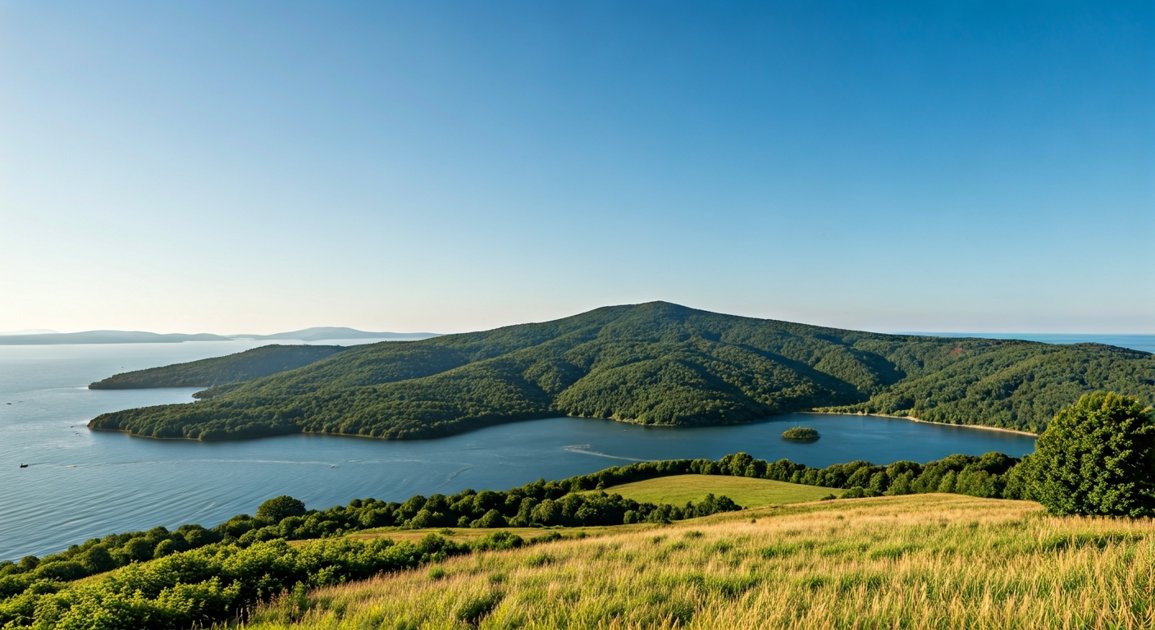
Picture yourself with a mug of tea, watching the sunrise paint the horizon over rolling hills, the air crisp and clean. Countryside living speaks to a different kind of soul – one that yearns for peace, space, and a deeper connection to nature. It's a sanctuary from the relentless pace, offering a chance to slow down, breathe deeply, and savor simpler pleasures.
- Peace & Tranquility: Escape the noise and light pollution, finding solace in natural soundscapes and starry skies.
- Space & Nature: Larger homes, sprawling gardens, and immediate access to hiking trails, lakes, and forests are common.
- Community & Connection: Often characterized by tight-knit communities, where neighbors know and support each other, fostering a strong sense of belonging.
- Slower Pace of Life: Enjoy a relaxed rhythm, less traffic, and more time for hobbies, family, and personal reflection.
Navigating the Urban Landscape: Practicalities for City Dwellers
Cost of Living: The Urban Premium
While the city promises much, it often comes with a higher price tag. Understanding the financial implications is crucial for both short-term stays and long-term relocation.
Actionable Advice:
- Housing: Research average rental costs (studio, 1-bedroom, family-sized) in various neighborhoods. Be prepared for smaller living spaces compared to rural areas. If buying, investigate property taxes and market trends.
- Transportation: Factor in public transport passes, ride-sharing costs, or parking fees if you own a car. Many city dwellers find they don't need a vehicle, saving significant money.
- Daily Expenses: Groceries, dining out, and entertainment can be more expensive. Look for local markets and free activities to balance your budget.
Career and Opportunities
Cities are engines of economy, but identifying the right fit for your career is key.
Actionable Advice:
- Job Market Research: Use LinkedIn, local job boards, and industry-specific platforms to gauge opportunities in your field.
- Networking: Attend industry events and meetups (even virtually) before or upon arrival to build connections.
- Commute Times: Research typical commute durations and modes of transport for potential workplaces.
Lifestyle and Amenities
The urban lifestyle is about accessibility, but also about managing its intensity.
Actionable Advice:
- Visit & Observe: Spend a few days in potential neighborhoods at different times (weekday, weekend, day, night) to get a true feel for the noise levels, traffic, and general vibe.
- Green Spaces: If nature is important, identify parks, urban gardens, and waterfronts that can serve as your retreats.
- Healthcare & Schools: Research the quality and accessibility of hospitals, clinics, and educational institutions for families.
City Living Checklist
- ☐ Job market viability in your field
- ☐ Average housing costs vs. your budget
- ☐ Public transportation options and cost
- ☐ Proximity to essential services (groceries, healthcare)
- ☐ Noise levels and light pollution tolerance
- ☐ Access to parks and green spaces
- ☐ Cultural and entertainment preferences met
Embracing Rural Rhythms: Practicalities for Country Settlers
Cost of Living: More Space for Less?
Often, rural living promises more square footage for your money, but don't overlook hidden costs.
Actionable Advice:
- Housing: While purchase prices might be lower, consider the cost of maintaining larger properties, septic systems, and wells. Rental options can be more limited.
- Transportation: A car is often a necessity, so factor in vehicle purchase/maintenance, fuel, and insurance costs. Public transport is typically scarce.
- Utilities & Services: Some rural areas may have higher costs for internet, satellite TV, or specific utilities if not connected to a municipal grid.
Work and Economic Landscape
The career landscape in the countryside can be different, often requiring adaptability or a remote work setup.
Actionable Advice:
- Remote Work Readiness: Ensure reliable high-speed internet is available and affordable in your chosen location. This is non-negotiable for many rural moves.
- Local Industries: Research the primary industries (agriculture, tourism, skilled trades) and job opportunities if you plan to work locally.
- Entrepreneurship: Consider opportunities to start your own business, leveraging local resources or catering to specific community needs.
Community and Services
Rural life offers a different kind of connectivity and access to amenities.
Actionable Advice:
- Visit Extensively: Spend an extended period (a week or more) in a rural area you're considering. Talk to locals at shops, cafes, and community centers.
- Healthcare Access: Research the nearest hospitals, clinics, and specialists. Consider travel times for routine and emergency care.
- Schools & Education: For families, investigate local school ratings, class sizes, and extracurricular activities.
- Shopping & Amenities: Be prepared for fewer large retail stores and potentially longer drives for specialized goods or services.
Countryside Living Checklist
- ☐ Reliable high-speed internet availability
- ☐ Access to necessary healthcare facilities
- ☐ Personal vehicle ownership and budget
- ☐ Commute tolerance for essential services/work
- ☐ Understanding of local community dynamics
- ☐ Water source (well, municipal) and septic system knowledge
- ☐ Comfort with fewer immediate entertainment options
Beyond the Brochures: A Personal Journey of Discovery
Ask Yourself These Key Questions
The ultimate decision rests with you. Take time for introspection with these guiding questions:
- Pace of Life: Do you thrive on constant stimulation and speed, or do you crave slowness and quiet contemplation?
- Connection to Nature vs. Culture: Which is more vital for your well-being – immediate access to natural landscapes or vibrant cultural institutions?
- Career Aspirations: Are your professional goals best supported by a vast urban network or a more focused, independent environment (e.g., remote work)?
- Social Style: Do you prefer bustling anonymity, or do you value knowing your neighbors and being part of a close-knit community?
- Budget & Financial Priorities: Where does your money serve you best in terms of lifestyle and long-term goals?
- Family Needs: What kind of environment best suits your children's education, safety, and recreational activities?
- Commute Tolerance: How much time are you willing to spend commuting, whether by public transport in the city or by car in the country?
The 'Test Drive' Approach
Before making a definitive move, especially if it's long-term, try a "test drive."
- Extended Stays: Rent an Airbnb or short-term rental for a month or two in both a city neighborhood and a rural area you're considering. Live like a local.
- Shadow a Day: If possible, shadow someone living the lifestyle you're contemplating – observe their commute, daily errands, and leisure activities.
- Talk to Residents: Engage with people who have made the move. Their experiences, both positive and challenging, are invaluable.
Your Next Chapter Awaits: Inspired and Prepared
Choosing between city and countryside living is more than just picking a spot on a map; it's about aligning your daily environment with your deepest values and aspirations. There's no single "right" answer, only the right answer for *you*. By blending inspiring visions with meticulous practical planning, you can move forward with confidence. Whether you're drawn to the electric hum of urban life or the gentle whisper of the windswept plains, remember that your journey is unique. Embrace the adventure, do your homework, and prepare to embark on a chapter that feels authentically yours. The perfect place isn't just a location; it's a feeling, and with careful consideration, you're now equipped to find yours.