How to Build a Freelance Setup Abroad
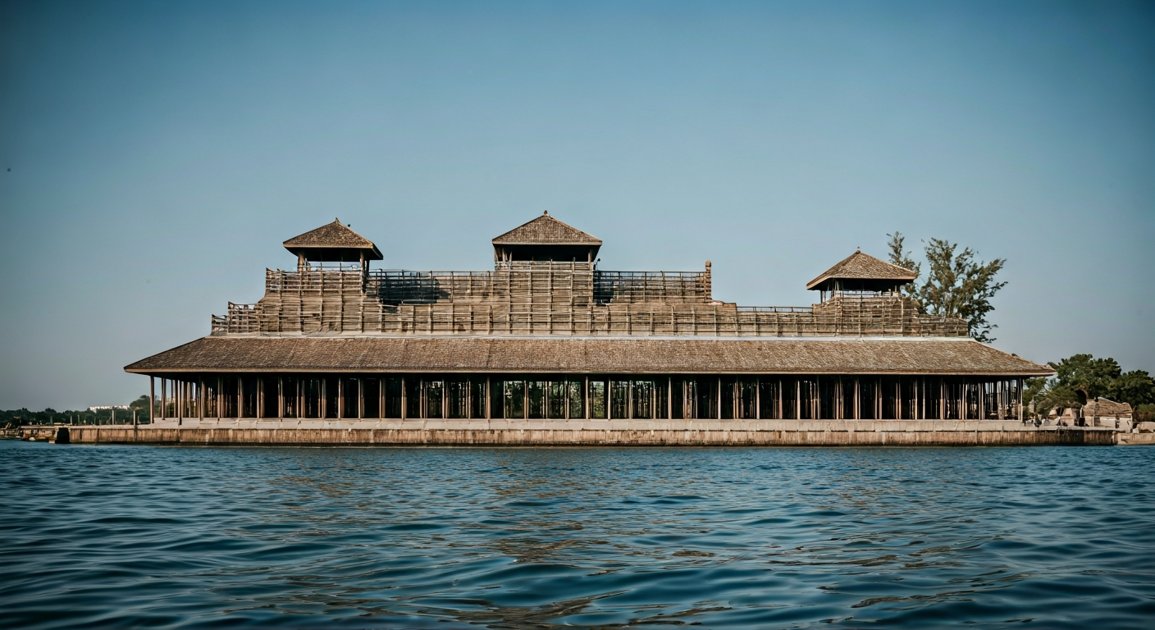
From Dream to Desk: Building Your Freelance Setup Abroad
Imagine the scent of fresh croissants wafting in from a Parisian bakery, the sound of tropical birds outside your window in Costa Rica, or the vibrant energy of a bustling Bangkok market – all while you’re powering through your latest project. This isn't just a travel fantasy; it's the tangible reality for a growing number of freelancers taking their careers global. The allure is undeniable: freedom, adventure, cultural immersion, and often a lower cost of living. But the leap from dreaming about it to actually doing it requires more than just a passport and a laptop. It demands meticulous planning, savvy business practices, and a hearty dose of adaptability. This guide will walk you through building a robust freelance setup abroad, transforming your wanderlust into a sustainable, international lifestyle.
The Why and Where: Defining Your Global Freelance Vision
Before you even think about packing your bags, it's crucial to align your personal aspirations with your professional goals. Why do you want to freelance abroad, and what kind of experience are you truly seeking?
Understanding Your "Why"
Are you looking for a short-term digital nomad adventure, a sabbatical, or a permanent relocation? Your "why" will dictate much of your planning, from visa types to financial preparation and the depth of your local integration.
- Short-term adventure: Focus on flexibility, pre-booking accommodation, and reliable communication tools.
- Long-term relocation: Consider deeper dives into local regulations, banking, and community building.
- Budget-conscious travel: Research countries with a lower cost of living and strong local economies.
Choosing Your Digital Nomad Haven
Not all destinations are created equal for freelancers. The "best" place is subjective and depends heavily on your needs and work style. Consider these critical factors:
- Internet Infrastructure: Is reliable, high-speed internet accessible and affordable? This is non-negotiable for most freelancers.
- Cost of Living: Does it align with your income and savings? Research accommodation, food, transport, and leisure costs.
- Visa & Immigration Policies: Does the country offer digital nomad visas, long-stay tourist visas, or other viable options for your intended duration?
- Time Zone Differences: How will it impact your client communication and deadlines? Can you adjust your schedule?
- Safety & Stability: Research local safety, political stability, and healthcare infrastructure.
- Community & Culture: Are there expat communities, coworking spaces, and cultural experiences that appeal to you?
- Language Barrier: How will communication impact daily life and potential networking?
Laying the Foundation: Pre-Departure Preparations
Success abroad starts long before you board the plane. This phase is all about solidifying your business, securing your finances, and tackling the essential paperwork.
Solidifying Your Freelance Business
Your business needs to be robust enough to withstand the change of scenery. Ensure your income is stable and your processes are location-independent.
- Secure Client Base: Aim for a stable roster of clients who are comfortable with remote work and different time zones.
- Automate & Systematize: Set up tools for project management, invoicing, and communication that don't require your physical presence.
- Financial Buffer: Have at least 3-6 months of living expenses saved up, ideally more. This accounts for unexpected costs and income fluctuations.
- Payment Methods: Research international payment platforms (e.g., Wise, PayPal, Payoneer) and ensure clients can pay you easily.
- Contracts & Legalities: Ensure your client contracts cover international work, and understand your tax obligations in both your home country and potential host country.
Financial Fortitude: Beyond Your Savings Account
Managing your money internationally requires foresight.
- Budgeting for the Unknown: Factor in relocation costs (flights, initial accommodation, visa fees) and a contingency fund.
- International Banking: Explore options for opening a local bank account once you arrive, or use multi-currency accounts that cater to global citizens.
- Currency Exchange Strategy: Understand exchange rates and potential fees. Avoid exchanging large sums at airports.
- Tax Planning: Consult with a tax professional experienced in international taxation to understand your obligations and potential benefits (e.g., foreign earned income exclusion).
Legalities & Logistics: The Paperwork Puzzle
This is often the most daunting part, but proper planning makes it manageable.
- Visa Research: This is paramount. Look for digital nomad visas, specific business visas, or long-stay tourist visas. Understand requirements, processing times, and costs. Start early!
- Health Insurance: Your regular insurance likely won't cover you adequately abroad. Invest in comprehensive international health insurance. It's not a luxury; it's a necessity.
- Travel Insurance: Separate from health insurance, travel insurance covers trip cancellations, lost luggage, and emergency evacuations.
- Important Documents Checklist:
- Passport (with at least 6 months validity beyond your intended stay) and multiple photocopies/digital scans.
- Visa (if applicable).
- International driver's permit (if you plan to drive).
- Birth certificate, marriage certificate (if applicable for family moves).
- Academic degrees/professional certifications (especially if you might seek local work or validation).
- Proof of funds for visa applications.
- Immunization records.
- Prescriptions for any necessary medications.
Setting Up Shop: Arrival and Integration
You've landed! Now it's time to transform your temporary dwelling into a productive workspace and truly settle in.
Finding Your Workspace and Staying Connected
Your work environment is key to productivity.
- Diverse Workspace Options:
- Coworking Spaces: Excellent for networking, reliable internet, and a professional environment. Many offer flexible daily, weekly, or monthly passes.
- Cafes with Wi-Fi: Great for a change of scenery, but can be noisy and less private.
- Home Office Setup: If your accommodation allows, set up a dedicated corner with an ergonomic chair and good lighting.
- Libraries: Often quiet and free, but check internet access and opening hours.
- Reliable Internet: This is your lifeline. Verify internet speeds and reliability before committing to long-term accommodation. Have a backup plan (e.g., mobile hotspot).
- Local SIM Card: Essential for local calls, data, and a local number for services.
- VPN (Virtual Private Network): For security when using public Wi-Fi and accessing geo-restricted content.
- Power Adapters & Converters: Ensure your electronics are compatible with local outlets and voltage.
- Backup Solutions: Regularly back up your work to cloud storage or an external hard drive.
Building Your Local Network
While you're there to work, connecting with people enhances your experience and provides a support system.
- Expat Groups: Search for local expat Facebook groups or meetups. They're invaluable for local advice, social connections, and troubleshooting.
- Coworking Communities: Many coworking spaces foster community through events and shared interests.
- Language Exchange Groups: A great way to meet locals and practice the language.
- Local Classes & Hobbies: Join a gym, a cooking class, or a hiking club to meet people with shared interests.
Thriving, Not Just Surviving: Sustaining Your Setup Abroad
The initial excitement can wear off. Long-term success means adapting, maintaining balance, and continually managing your affairs.
Work-Life Balance Abroad: Avoiding Burnout
It's easy to get caught up in either constant travel or overworking. Find your equilibrium.
- Set Boundaries: Define clear work hours and stick to them. Avoid the temptation to work "just a little longer" because your office is also your home/vacation spot.
- Explore Your Surroundings: Make time to experience the local culture, sights, and food. This is why you moved!
- Self-Care: Prioritize sleep, healthy eating, and exercise. Travel can be exhilarating but also draining.
- Combat Loneliness: Actively seek out social interactions, both with fellow expats and locals.
Managing Finances & Taxes On-Going
Don't let financial compliance fall by the wayside.
- Regular Financial Reviews: Keep track of your income, expenses, and savings. Adjust your budget as needed.
- Stay Tax Compliant: Understand ongoing tax requirements in both your home and host countries. File necessary declarations on time.
- Local Currency Management: Get comfortable with the local currency, recognizing its value and knowing when to use cash versus cards.
Adapting to Culture & Challenges
Culture shock is real, and problems will inevitably arise. Embrace them as part of the adventure.
- Embrace Local Customs: Learn basic phrases, observe local etiquette, and show respect for cultural differences.
- Problem-Solving Skills: From navigating bureaucracy to dealing with unexpected internet outages, develop your resilience and problem-solving abilities.
- Stay Flexible: Things rarely go exactly as planned. Be prepared to adapt and find alternative solutions.
Final Thoughts
Building a freelance setup abroad is a journey that marries professional ambition with unparalleled personal growth. It's a testament to your courage and adaptability, transforming a simple laptop into a passport to new experiences, cultures, and ways of living. While the path demands diligent preparation and a strategic mindset, the rewards—from newfound independence to enriching global perspectives—are immeasurable. Remember, the dream of working from anywhere is within reach, but it requires you to be both the adventurous explorer and the meticulous planner. Pack your bags, power up your laptop, and prepare to write your own incredible story, one freelance project and one breathtaking destination at a time.