How Much Does It Cost to Live in Portugal in 2025?
Unlocking the Dream: How Much Does It Cost to Live in Portugal in 2025?
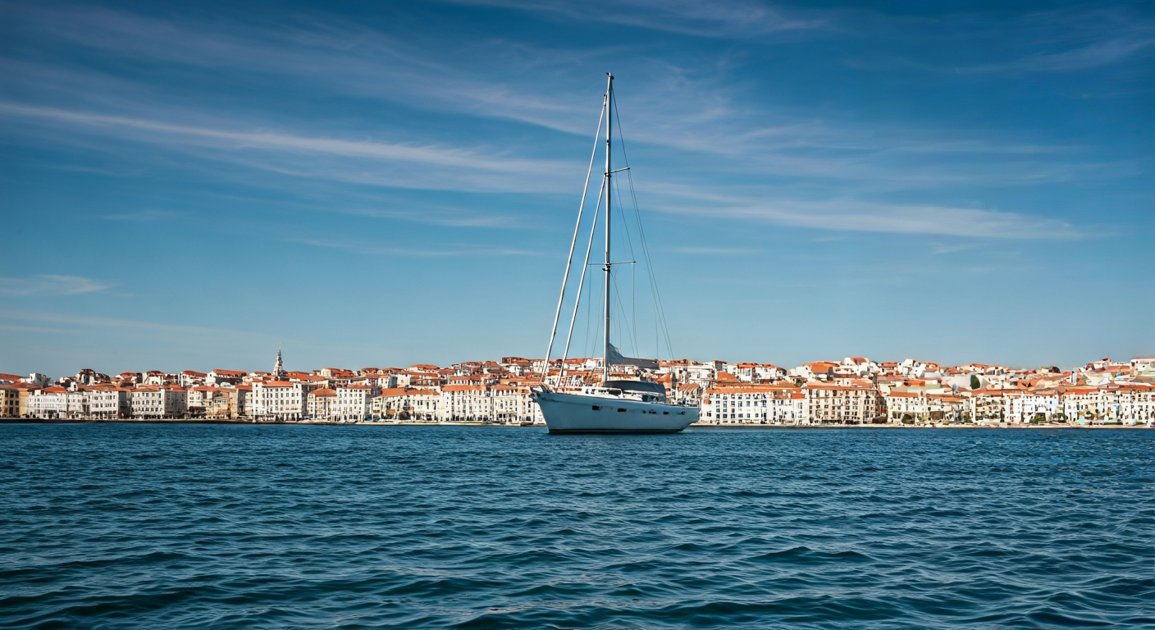
Imagine cobblestone streets echoing with Fado, the scent of fresh seafood wafting from sun-drenched terraces, and ancient castles standing sentinel over vineyards stretching to the horizon. Portugal, a land of enchanting beauty, rich history, and a famously laid-back lifestyle, has captured the hearts of digital nomads, retirees, and families alike. But as you scroll through those breathtaking photos, a practical question inevitably surfaces: What will it actually cost to live this dream in 2025?
As your expert guide, blending wanderlust with real-world advice, we'll dive deep into the financial realities of Portuguese living. This isn't just about numbers; it's about empowering you to budget for a life filled with sunshine, culture, and adventure, whether you're planning a temporary escape or a permanent relocation.
The Portuguese Allure: More Than Just Scenery
Portugal offers an irresistible blend: vibrant cities, pristine beaches, rolling countryside, and a warm, welcoming culture. From the historic charm of Lisbon and Porto to the idyllic beaches of the Algarve and the tranquil beauty of the Silver Coast, there's a corner for every dream. This diversity extends to its cost of living, which, while rising, still remains notably more affordable than many Western European counterparts. Understanding the nuances between regions and lifestyles is key to crafting a realistic budget.
Key Factors Influencing Your Portuguese Budget
Before we break down the numbers, remember that your personal cost of living will depend heavily on several factors:
- Location: Major cities like Lisbon and Porto are significantly more expensive than smaller towns or rural areas. The Algarve coast also commands higher prices, especially in tourist hotspots.
- Lifestyle: Are you dining out every night or cooking at home? Using public transport or driving? Seeking luxury amenities or embracing local, simpler living?
- Family Size: A single person's budget differs greatly from a family with children needing schooling.
- Housing Choice: Renting versus buying, apartment versus house, furnished versus unfurnished all impact your monthly outlay.
Cost of Living Breakdown: A Look at 2025 Estimates
Here’s a detailed look at typical monthly expenses in Portugal, with ranges reflecting different regions and lifestyles. All figures are approximate and subject to change due to inflation and market dynamics.
Housing: Your Biggest Expense
Housing will likely be your largest single expense. Prices have been steadily increasing, especially in sought-after urban centers and coastal regions.
- Lisbon/Porto (City Center):
- 1-bedroom apartment: €900 - €1,500+
- 3-bedroom apartment: €1,500 - €2,500+
- Algarve (e.g., Faro, Lagos):
- 1-bedroom apartment: €700 - €1,200
- 3-bedroom apartment: €1,200 - €2,000+
- Medium-sized cities (e.g., Coimbra, Braga):
- 1-bedroom apartment: €500 - €800
- 3-bedroom apartment: €800 - €1,300
- Rural/Interior Portugal:
- 1-bedroom apartment/small house: €350 - €600
- 3-bedroom house: €600 - €1,000
- Buying Property: Prices vary wildly. Expect upwards of €3,000-€5,000 per square meter in prime Lisbon/Porto areas, dropping significantly in other regions. Don't forget transaction taxes (IMT, Stamp Duty) which can add 6-8% to the purchase price, plus legal fees.
Relocation Tip: Consider starting with a short-term rental to explore different neighborhoods before committing to a long-term lease. Websites like Idealista, OLX, and local real estate agencies are great resources.
Utilities & Home Services
These are fairly consistent across the country, though usage patterns will dictate the final bill.
- Electricity: €50 - €120+ (can be higher with heavy AC/heating use)
- Water: €15 - €30
- Gas (for cooking/heating water): €20 - €50 (if applicable)
- Internet & TV package: €30 - €60
- Mobile Phone Plan: €10 - €25 (for a good data package)
Actionable Advice: Look for combined utility packages from providers like MEO, NOS, or Vodafone for potential savings.
Groceries & Food
Eating well in Portugal is both affordable and delicious. Local markets (mercados) are your best friend for fresh produce, fish, and meat.
- Monthly Groceries (single person): €150 - €250
- Monthly Groceries (couple): €250 - €400
- Eating Out:
- Local menu do dia (lunch special): €8 - €15
- Mid-range restaurant meal (per person): €15 - €30
- Fine dining: €40+
- Coffee: €0.70 - €1.50
- Beer: €1.50 - €4
Budgeting Hack: Embrace Portuguese culinary traditions! Cooking with seasonal, local ingredients from a market is not only cost-effective but also a delightful cultural experience.
Transportation
Portugal has an excellent and affordable public transport network, especially in cities.
- Monthly Public Transport Pass (Lisbon/Porto): €30 - €40
- Single Bus/Metro Ticket: €1.50 - €2.00
- Taxi/Ride-share (short trip): €5 - €10
- Fuel (per liter): €1.70 - €2.00 (variable)
- Car Ownership (estimated monthly cost for fuel, insurance, maintenance, tolls): €150 - €300+
Practical Insight: Consider if you truly need a car, especially in cities. Walking, cycling, and public transport are often sufficient and more enjoyable. If you're in a rural area, a car is almost essential.
Healthcare & Insurance
Portugal boasts a public healthcare system (SNS – Serviço Nacional de Saúde) that residents can access. However, many expats opt for private health insurance, particularly when first arriving or for specialized care.
- Public Healthcare (SNS): Nominal fees for appointments/tests (€5-€20). Access requires residency and registration.
- Private Health Insurance (per person, monthly): €30 - €100+ (depending on age, coverage, and provider)
Important Note: For visa applications (e.g., D7, Digital Nomad), private health insurance valid in Portugal is usually a mandatory requirement until you are fully integrated into the SNS.
Education (If Applicable)
Families relocating will need to factor in schooling costs.
- Public Schools: Free (or very low administrative fees) for residents. Instruction is in Portuguese.
- International Schools (monthly tuition): €500 - €1,500+ (highly variable by school and age group)
Family Advice: Research school availability and curriculum early. Waiting lists for international schools can be long.
Visa & Residency Application Costs
Don't forget the upfront costs associated with making the move legal!
- Visa Application Fees: €75 - €150 (initial visa)
- SEF (Immigration) Appointment Fees: €80 - €150 (residency permit)
- Legal Assistance (optional but recommended): €1,000 - €5,000+ (for navigating the visa and residency process, highly variable)
Crucial Tip: Budget for legal assistance, especially if your situation is complex. It can save you significant time and stress.
Summary of Estimated Monthly Costs (Excluding Major Relocation & Visa Fees)
For a comfortable, mid-range lifestyle:
- Single Person (Lisbon/Porto): €1,500 - €2,500
- Single Person (Medium City/Rural): €900 - €1,500
- Couple (Lisbon/Porto): €2,200 - €3,500
- Couple (Medium City/Rural): €1,500 - €2,200
These figures can, of course, be lower if you are extremely frugal, or significantly higher if you seek a luxurious lifestyle.
Your Relocation Readiness Checklist for Portugal
Preparing for a move to Portugal requires more than just financial planning. Here's a practical checklist:
- Visa & Residency: Research the appropriate visa (D7, Digital Nomad, Golden Visa, D2, etc.) and begin the application process well in advance. Gather all required documents.
- NIF (Número de Identificação Fiscal): This is your Portuguese tax identification number, essential for everything from renting an apartment to opening a bank account. Obtain it early.
- Bank Account: Plan to open a Portuguese bank account. Some banks allow non-residents to open accounts remotely.
- Healthcare: Secure private health insurance for your initial period. Research how to register with the SNS.
- Housing Strategy: Decide on a temporary housing plan for your arrival. Start researching long-term rentals or purchase options.
- Shipping Logistics: Get quotes for moving your belongings. Consider what you truly need versus what can be purchased locally.
- Language Basics: Learn some basic Portuguese phrases. While many Portuguese speak English, making an effort goes a long way.
- Driving License: If you plan to drive, understand the requirements for exchanging your foreign license for a Portuguese one.
- Financial Buffer: Have at least 3-6 months' worth of living expenses saved as an emergency fund.
Final Thoughts: Your Portuguese Adventure Awaits
Living in Portugal in 2025 remains an incredibly attractive prospect, offering a high quality of life at a cost that, while increasing, is still generally lower than many comparable Western European nations. While Lisbon and Porto lead in expenses, the country's diverse regions provide a spectrum of affordability to match nearly any budget and dream. By understanding the core costs, planning meticulously, and embracing the local lifestyle, you can craft a sustainable and fulfilling life in this beautiful country. It's not just about the numbers; it's about investing in a lifestyle that promises sunshine, culture, and a genuine sense of belonging. Start planning now, and prepare to write your own captivating chapter in Portugal.