How Much Does it Actually Cost to Live in Singapore in 2026?
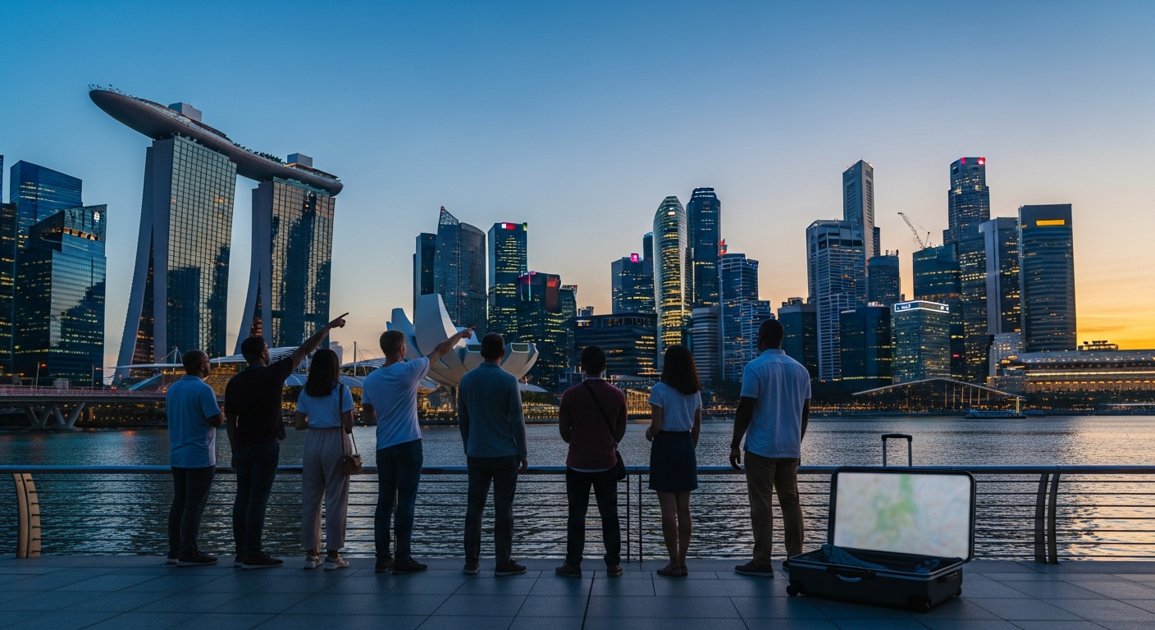
Singapore remains the most expensive city in the world for the ninth time in eleven years, according to the latest global benchmarks, and by 2026, the cost of entry for newcomers has shifted from a premium to a significant strategic investment. Navigating the singapore cost of living 2026 requires a granular understanding of how government cooling measures, a maturing rental market, and the world’s most expensive car ownership system interact with the local economy. For those planning a relocation, the numbers have evolved; the days of moderate inflation have been replaced by a stabilized but high-cost environment that demands precise budgeting.
The Realities of the Rental Market: Trends for the Singapore Cost of Living 2026
Housing remains the single largest expenditure for any expat or local resident. By 2026, the Singaporean government’s efforts to increase the supply of Private and Housing Development Board (HDB) flats have begun to temper the aggressive price hikes seen in the early 2020s. however, "tempered" does not mean cheap. Renters should expect to allocate between 30% and 45% of their take-home pay to accommodation if they desire to live near the Central Business District (CBD).
Condominiums vs. HDB Flats
The choice between a private condominium and a public HDB flat is the primary factor in your monthly burn rate. Condominiums offer amenities such as swimming pools, gyms, and 24-hour security, which are standard for most expat packages. HDB flats, while lacking these luxury amenities, are situated in heartland areas with better access to local food and transport hubs.
- Prime Districts (9, 10, 11): A one-bedroom condo apartment now averages between S$4,800 and S$6,200 per month.
- Rest of Central Region (RCR): Areas like Tiong Bahru or Geylang see two-bedroom units ranging from S$4,000 to S$5,500.
- Outside Central Region (OCR): Suburban living in places like Pasir Ris or Jurong West offers the best value, with HDB 4-room flats (3 bedrooms) costing approximately S$3,200 to S$4,000.
The Impact of New Housing Classifications
By 2026, the new "Plus" and "Prime" HDB classifications are firmly in place. While these mainly affect buyers, they have a secondary effect on the rental market by concentrating supply in specific transit-oriented zones. Renters should look for "Standard" HDB flats in mature estates to find the most competitive pricing without sacrificing connectivity.
Transportation and the COE System in 2026
Singapore’s car ownership model is designed to discourage driving in favor of a world-class public transit network. Central to this is the Certificate of Entitlement (COE), a permit required to own and operate a vehicle for ten years. In 2026, the singapore cost of living 2026 is heavily influenced by the high floor of these quotas.
The Cost of Car Ownership
As the Land Transport Authority (LTA) maintains its zero-growth policy for private cars, COE prices for Category A (small cars) and Category B (large/luxury cars) have stabilized at historic highs. Expect to pay a minimum of S$100,000 just for the right to own the car, before the actual price of the vehicle, insurance, and maintenance are considered. For most expats, leasing a car or using car-sharing services like BlueSG or GetGo is a more financially sound decision than outright purchase.
Public Transit: The Economical Alternative
If you choose not to drive, Singapore’s MRT and bus network is remarkably affordable. The island is one of the few places where you can cross the entire country for less than S$3.00. Most professionals commuting daily can expect to spend roughly S$150 to S$200 per month on public transport, including occasional rideshare trips via Grab or Gojek during peak hours.
Dining and Grocery Expenses: From Hawker Centers to High-End Imports
Food is where you have the most control over your budget. Singapore offers a dual-track food economy: the affordable, high-quality hawker culture and the premium, import-reliant restaurant scene.
The Hawker Center Economy
Hawker centers remain the backbone of affordable living. In 2026, a standard meal consisting of Chicken Rice or Laksa, paired with a local coffee (Kopi), will cost between S$6.50 and S$9.00. Government subsidies for social enterprise hawker centers have helped keep these prices from spiraling despite global food inflation. Eating one hawker meal a day can significantly lower your singapore cost of living 2026 compared to a purely Western diet.
Grocery Shopping and Supermarkets
Grocery costs depend on where you shop. NTUC FairPrice and Giant offer the most competitive prices for local produce and staples. Cold Storage and Hubers Butchery cater to the expat market with imported cheeses, meats, and international brands, often at a 50% to 100% markup compared to local alternatives.
| Item | Budget/Local Option | Premium/Imported Option |
|---|---|---|
| Milk (1 Liter) | S$3.50 | S$6.00 (Organic/Imported) |
| Eggs (10 pack) | S$3.80 | S$7.50 (Free-range) |
| Chicken Breast (500g) | S$7.00 | S$15.00 (Organic) |
| Coffee (Café Latte) | S$1.80 (Hawker Kopi) | S$7.50 (Specialty Café) |
Healthcare, Education, and Utility Costs
Beyond food and shelter, several fixed costs must be factored into a 2026 budget. Singapore’s 9% Goods and Services Tax (GST) is applied to almost all transactions, and utilities have risen slightly due to global energy shifts and the implementation of carbon taxes on power generators.
Education for Expat Families
For families, schooling is often the second-largest expense after rent. Unless you have Permanent Residency (PR), slots in local Ministry of Education (MOE) schools are limited and difficult to secure. International school fees in 2026 range from S$30,000 to S$55,000 per year per child. Additional costs include enrollment fees, bus transport, and extracurricular activities.
Utilities and Connectivity
A typical household of two in a 2-bedroom condo can expect the following monthly utility bills:
- Electricity and Water: S$180 – S$280 (depending on air-conditioning usage).
- Broadband Internet: S$50 – S$70 for 1Gbps.
- Mobile Plan: S$25 – S$50 for a high-data 5G SIM-only plan.
Monthly Budget Breakdown for 2026
To provide a realistic overview of the singapore cost of living 2026, we have categorized three common lifestyles. These figures represent monthly averages in Singapore Dollars (S$).
| Expense Category | The Frugal Professional | The Mid-Level Expat | The Family of Four |
|---|---|---|---|
| Rent (HDB vs. Condo) | S$1,500 (Room Rental) | S$4,500 (1-BR Condo) | S$7,500 (3-BR Condo) |
| Food & Dining | S$700 | S$1,200 | S$2,500 |
| Transport | S$150 (Public) | S$300 (Public + Grab) | S$1,200 (Car Lease/Taxis) |
| Utilities & Mobile | S$100 | S$250 | S$500 |
| Entertainment/Misc | S$300 | S$800 | S$1,500 |
| Education/Healthcare | S$50 | S$200 | S$6,000 (Schooling) |
| Total Estimated Monthly | S$2,800 | S$7,250 | S$19,200 |
Frequently Asked Questions
Is Singapore affordable for a single person in 2026?
Yes, a single professional can live comfortably on a budget of S$3,500 to S$4,500 by opting for a room rental in a shared HDB flat and eating primarily at hawker centers. Those earning above S$7,000 will find they have significant disposable income if they avoid car ownership.
How has the 9% GST affected daily life?
The GST increase to 9% is fully integrated into prices by 2026. While it has led to a slight increase in the cost of services and imported goods, it is often offset by the high efficiency of the local economy and various government vouchers available to residents to mitigate inflation.
What is the minimum salary needed to relocate to Singapore?
For an Employment Pass (EP), the Ministry of Manpower (MOM) has strict salary floors that increase with age and sector. In 2026, a baseline of S$6,000 is generally required for younger applicants, though a salary of at least S$9,000 is recommended to maintain a standard of living that includes a private studio and occasional international travel.
Are healthcare costs high for expats?
Expats do not have access to the heavy subsidies provided to citizens. While the quality of care is exceptional, a simple GP visit will cost S$50–S$100, and specialist consultations start at S$200. It is essential to have comprehensive private health insurance, which usually costs S$2,000 to S$4,000 annually depending on coverage levels.
Conclusion
The singapore cost of living 2026 reflects a city that has prioritized high-value growth and efficiency. While the headline figures for rent and car ownership may seem daunting, the ability to scale your expenses through public transport and local dining remains a viable path for those who are budget-conscious. Success in Singapore requires a shift in mindset: viewing the city not just as an expensive destination, but as a highly optimized environment where you pay for convenience, safety, and unparalleled global connectivity. By planning for the major pillars of housing and education early, you can enjoy one of the most vibrant urban experiences on the planet without financial strain.
Ready to Make the Move?
Planning a move to Singapore involves more than just budgeting. Download our comprehensive 2026 Relocation Checklist to stay ahead of visa requirements, housing deadlines, and school enrollment windows. Start your next chapter with confidence.