How Do You Manage a Home Without a Zip Code? A Data-Driven Guide to Panama’s Mail Forwarding Hubs, Utility Setup Timelines, and Essential Household Logistics
The Reality of Post-Zip Code Living
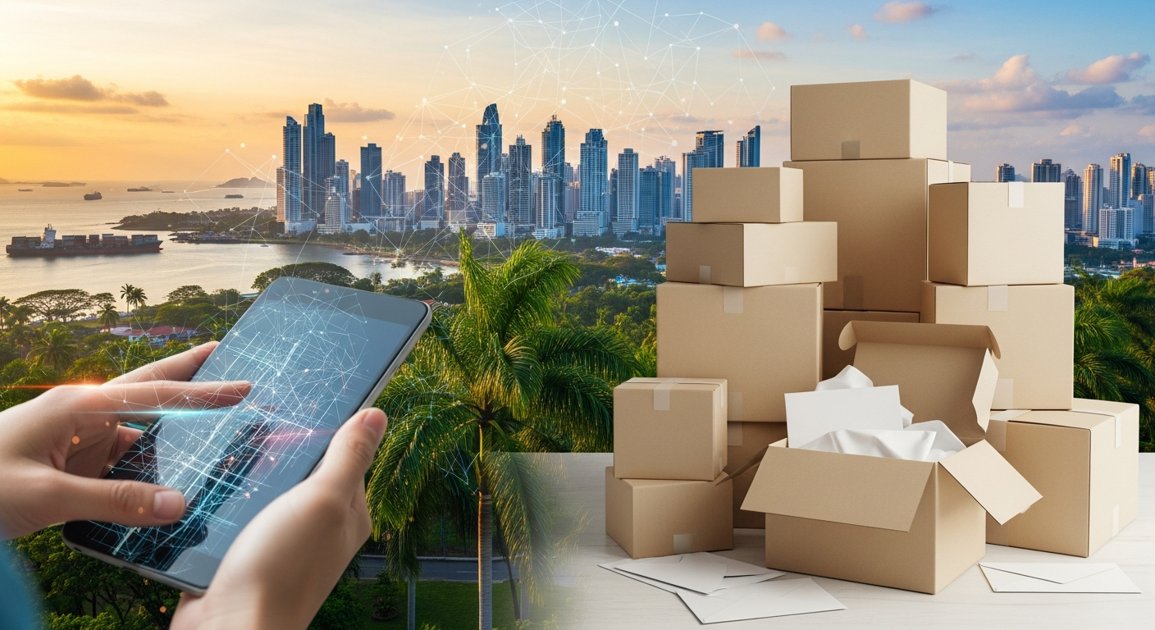
In Panama, the concept of a residential zip code is largely theoretical. While the country technically has a postal code system, it is not used for door-to-door delivery. Mail does not arrive at your home; instead, managing a household requires a strategic reliance on private infrastructure. For new residents, understanding the logistics of mail forwarding and utility activation is the difference between a functional home and weeks of administrative frustration.
Navigating the Private Mail Forwarding System
Because the national postal service (Cotel) does not deliver to homes, expats use private mail forwarding services. These companies provide you with a physical street address in Miami, Florida. When you order a package or receive a bank statement, it is sent to Miami and then flown to Panama by your provider.
Choosing a Provider
Major hubs include Panama City, Coronado, and Boquete, where several key players operate. Selection should be based on proximity to your residence and their fee structure.
- Airbox Express: Extensive network with many branch locations; offers integrated online tracking.
- Mail Boxes Etc. (MBE): Higher price point but offers comprehensive document services and reliable international shipping.
- Fast Box / PGT: Often preferred for heavy freight or larger household items due to competitive per-pound rates.
Operational Costs and Setup
- Account Setup: Most providers require a passport copy and a $0 to $50 registration fee.
- Freight Charges: Expect to pay between $3.00 and $5.50 per pound for air freight.
- The "Last Mile": You must physically visit the branch to collect your mail, though some providers in Panama City now offer local courier delivery for an extra fee.
Utility Setup: Timelines and Deposit Requirements
Setting up utilities in Panama is a data-heavy process. You cannot typically initiate these services online; they require physical visits to various offices with specific documentation.
Electricity (ENSA or Naturgy)
Panama is split between two main providers: ENSA (East/Panama City) and Naturgy (West/Interior). Connection usually takes 2 to 5 business days after the contract is signed.
- Requirements: A signed lease agreement or property deed, and a copy of your passport or Cedula.
- Deposits: Non-residents or those without a local credit history often face deposits ranging from $50 to $250, depending on the estimated consumption of the property.
Water and Trash (IDAAN)
Water is managed by the government entity IDAAN. In many condo buildings, water and trash collection are included in the HOA fees. However, if you are moving into a single-family home, you must register the account in your name.
- Timeline: Registration is immediate, but updating the billing name can take one full billing cycle.
- Trash Collection: This is often bundled with the water bill in urban areas, costing approximately $10 to $20 per month.
Administrative Steps for Home Connectivity
Internet and mobile data are the final pillars of a functional home. Panama has high-speed fiber optic coverage in most urban centers, including Panama City, David, and Chitre.
Internet Installation
- Providers: Tigo and Más Móvil are the primary operators.
- The Process: You will need a passport and proof of address (a utility bill in the landlord’s name is usually sufficient).
- Timeline: Installation typically occurs within 3 to 7 days of application. Contracts are generally for 12 to 24 months; canceling early results in a penalty fee.
Plan Your Move with Precision
Navigating the logistical nuances of a move to Panama requires more than just a packing list; it requires a data-driven strategy. The NewLife.Help comparison tool simplifies this process by aggregating cost-of-living data, utility requirements, and relocation logistics into a personalized report. This tool allows you to compare different regions and services, ensuring your move is grounded in facts rather than guesswork.
Start Your Free Relocation Analysis
Conclusion
Managing a home in Panama requires a proactive approach to infrastructure. By establishing a Miami-based mail hub early and preparing the necessary documentation for utility deposits, you bypass common delays. While the lack of a traditional zip code system may seem like a hurdle, the private forwarding network and established utility protocols provide a reliable framework for residents who understand the system requirements.