How Do You Avoid the ‘Humidity Tax’ Overseas? A Data-Driven Guide to Panama’s Microclimate Costs, Salt-Air Maintenance, and High-Altitude Utility ROI
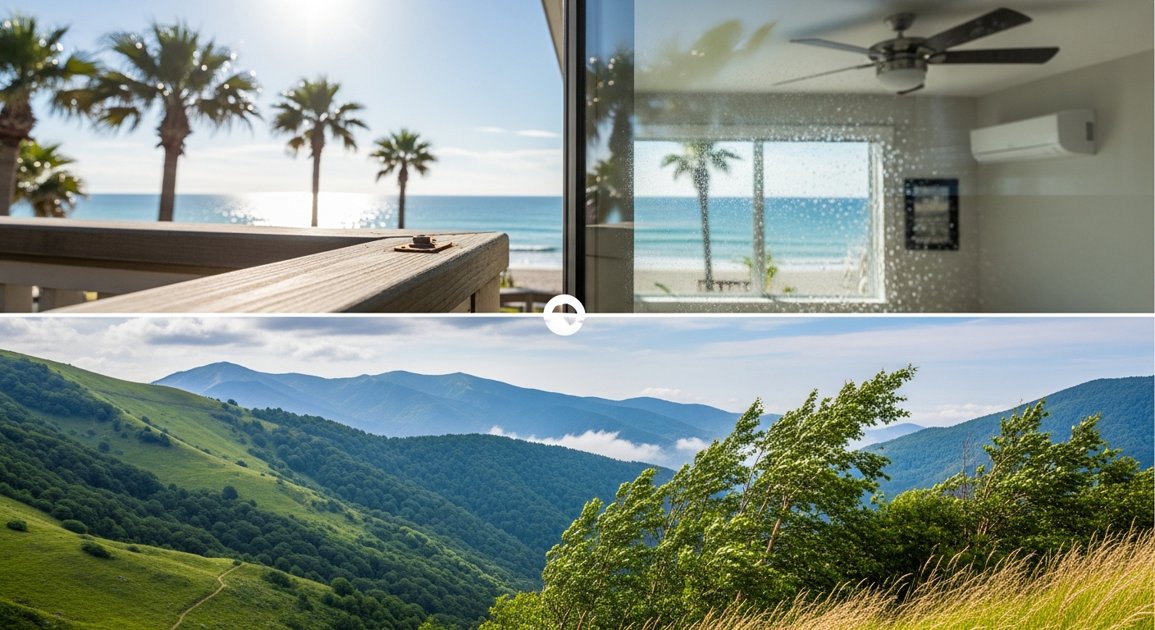
Beyond the Postcard: Decoding Panama’s Microclimate Financials
Many retirees choose Panama for its tropical allure and favorable tax environment, but few account for the 'Humidity Tax.' This isn't a government levy; it is the cumulative cost of living in a high-moisture, high-salinity environment. In Panama, moving just 30 miles inland or 2,000 feet up in elevation can shift your monthly budget by hundreds of dollars. To make an informed relocation decision, you must look past the scenery and analyze the data behind utility consumption and property depreciation.
The Coastal Reality: AC and Salt-Air Corrosion
Living beachside in Coronado or Bocas del Toro offers immediate ocean access, but it comes with the highest overhead in the country. The two primary drivers of these costs are electricity and accelerated equipment failure.
The Electricity Delta
In Panama’s coastal regions, temperatures consistently hover between 85°F and 90°F with high humidity. To maintain a comfortable indoor environment of 74°F, air conditioning units must run nearly 24/7. In a standard two-bedroom condo, this can result in monthly electricity bills ranging from $150 to $300. In contrast, highland residents often spend less than $40 per month on electricity because they rely on natural ventilation.
The Salt-Air Maintenance Cycle
If you live within three miles of the ocean, salt-laden air acts as a corrosive agent on almost every asset you own. Property owners should budget for the following accelerated maintenance cycles:
- Air Conditioning Units: Expect a lifespan of 3–5 years compared to 10+ years inland. Condenser coils frequently corrode, even with regular rinsing.
- Appliances: Refrigerators and washing machines with exposed metal components often show rust within 18 months.
- Electronics: High-end computers and televisions are susceptible to internal circuit board failure due to moisture and salt infiltration.
- Exterior Painting: Coastal homes typically require repainting every 2–3 years to prevent structural degradation, whereas highland homes can go 5–7 years.
The Highland ROI: Trading AC for Dehumidification
Highland areas like Boquete, Volcán, and El Valle de Antón offer a 'Spring-like' climate year-round. While you eliminate the need for air conditioning, you trade it for humidity management. The financial trade-off, however, is heavily weighted in favor of the highlands.
Utility Savings and ROI
By eliminating AC, the average expat household saves approximately $1,500 to $2,500 annually. Over a ten-year retirement, this represents a $20,000+ surplus that can be reallocated to travel or healthcare. The primary electrical cost in the highlands is the operation of dehumidifiers or 'closet heaters' (small lightbulbs or heating strips) used to prevent mildew in storage areas. These devices consume a fraction of the power required by a compressor-based AC system.
Vehicle Longevity
Vehicles in the highlands retain their value longer and require fewer repairs. Coastal cars often suffer from 'hidden rust' in the chassis and brake line corrosion. When purchasing a used vehicle in Panama, a car sourced from the Chiriquí highlands typically commands a premium over one from a coastal town for this very reason.
A Step-by-Step Guide to Choosing Your Microclimate
Before committing to a long-term lease or purchase, follow these steps to calculate your projected Humidity Tax:
- Audit Your Temperature Tolerance: Spend 72 hours in a coastal rental without using air conditioning. If you find it unbearable, factor a minimum of $200/month into your 'cooling' budget.
- Compare HOA Fees: Coastal condos often have higher HOA fees to cover the constant maintenance of communal pools, elevators, and social areas exposed to salt air.
- Assess Construction Materials: Look for PVC window frames rather than aluminum if living near the coast, and ensure any highland home has proper drainage and ventilation to mitigate mold.
- Calculate the Depreciation Gap: Estimate a 15% faster depreciation rate for outdoor furniture and mechanical equipment in coastal zones.
Plan Your Move with Precision
Understanding the financial implications of Panama’s diverse climate zones is essential for a sustainable relocation. Our tools help you move beyond guesswork by providing hard data tailored to your specific lifestyle needs. The NewLife.Help comparison tool analyzes current utility rates, local maintenance costs, and regional real estate trends to provide you with a personalized relocation report in seconds.
Start Your Free Relocation Analysis
Final Considerations
Panama offers an incredible quality of life, but the 'best' location is often a matter of math rather than just aesthetics. If your budget is fixed, the highlands offer a significantly higher ROI on your monthly spend. If the ocean is a non-negotiable requirement, you must treat the Humidity Tax as a fixed cost of living. By calculating these expenses upfront, you ensure that your relocation remains a sound financial decision for decades to come.