Furnished vs Unfurnished: Which Option Saves More?
The Grand Debate: Furnished vs. Unfurnished – Which Option Truly Saves More?
There's an undeniable thrill in the air when a new chapter beckons – whether it's a six-month adventure in a bustling metropolis or a permanent relocation across continents. The scent of possibility, the promise of new horizons, it’s all incredibly exciting. Yet, amidst the daydreams of exploring ancient markets or settling into a vibrant new community, practicalities loom large. One of the most significant, and often most debated, decisions is whether to opt for a furnished or unfurnished home. It's not just about a roof over your head; it's about your wallet, your sanity, and the very essence of making a new place feel like home. So, let's unpack this financial and logistical puzzle to help you determine which path truly saves more.
Understanding the Landscape: Furnished, Unfurnished, and the In-Between
Before we dive into the nitty-gritty of costs, let's clarify what each option typically entails, as definitions can vary slightly by region.
Unfurnished: The Blank Canvas
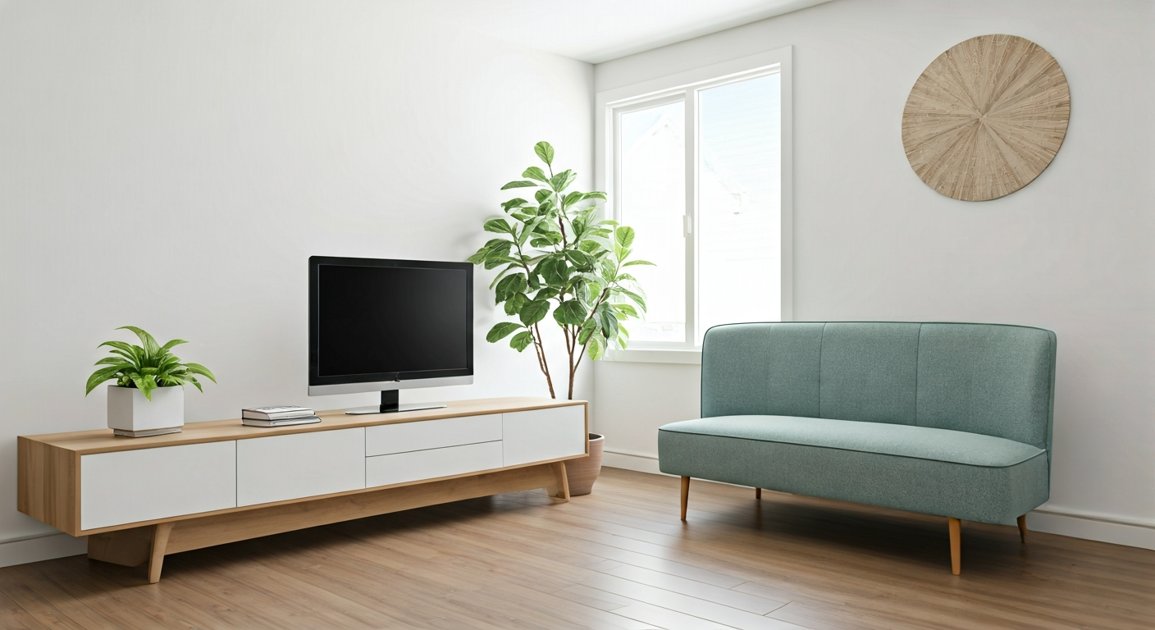
An unfurnished property usually means just that: a blank canvas. You get the walls, the floors, and often basic kitchen appliances (stove, oven, sometimes a refrigerator) and bathroom fixtures. Everything else – beds, sofas, tables, lamps, linens, dishes – is up to you.
Furnished: Move-In Ready
A furnished apartment typically includes major furniture pieces (beds, sofas, dining sets), essential appliances (refrigerator, washing machine, sometimes a microwave), and often extends to kitchenware, linens, and even decorative items. It's designed for you to arrive with your suitcases and start living immediately.
Semi-Furnished: The Flexible Middle Ground
Often, you'll encounter "semi-furnished" options. This usually means the basics are covered – major appliances, perhaps a wardrobe or a bed frame – but you'll still need to bring or buy significant items to make it truly comfortable. This can be a sweet spot for those who own some furniture but not everything.
The Unfurnished Advantage: Long-Term Savings & Personalization
At first glance, the thought of buying everything for a new home can feel overwhelming and expensive. However, for many, especially those planning a longer stay, unfurnished properties often win the long-term savings race.
Initial Costs & Hidden Fees: The Unfurnished Hurdles
The upfront investment for an unfurnished place is undeniably higher. You'll need to account for:
- Purchasing New Furniture: Beds, sofas, dining tables, chairs, storage units, lighting, electronics. This can add up quickly, especially if you're starting from scratch.
- Shipping Existing Furniture: If you already own furniture, shipping it internationally or even cross-country can be a significant expense. Costs depend on volume, weight, distance, and shipping method (sea vs. air freight).
- Temporary Accommodation: You might need to budget for a few weeks of temporary accommodation (hotel, Airbnb) while your furniture arrives or you acquire new pieces.
- Assembly & Setup: Don't forget the time and potential cost of assembling flat-pack furniture or hiring movers to set up larger items.
The Freedom of 'Home'
Despite the initial outlay, choosing unfurnished offers unparalleled freedom. You get to select pieces that truly reflect your style, comfort, and functional needs. This personalization creates a genuine sense of home, which is invaluable for long-term well-being and settling into a new location. You also control the quality and durability of your possessions.
When Unfurnished Wins:
- Long-Term Stays (1+ years): The higher initial cost is amortized over a longer period, making the monthly equivalent cheaper than the premium for furnished rent.
- Owning Quality Furniture: If you already have beloved, well-made furniture you plan to keep for years, shipping it (if feasible) or moving it makes financial sense.
- Strong Second-Hand Market: If your new location has a robust market for used furniture (e.g., Facebook Marketplace, local classifieds, charity shops), you can furnish your home affordably.
- Investment in Comfort: For families or individuals seeking stability and a personalized living space, the investment is often worth it.
Unfurnished Financial Considerations Checklist:
- Rental Rate: Typically 10-30% lower than a comparable furnished unit.
- Furniture Purchase/Shipping: Factor in a budget for new items or the cost of moving existing ones.
- Temporary Living: Budget for short-term accommodation during the furnishing phase.
- Utilities Setup: Often includes setting up internet, electricity, gas, water in your name.
- Time Investment: Time spent shopping, arranging delivery, and setting up.
- Resale Value: What can you sell your furniture for when you move again?
The Furnished Freedom: Short-Term Convenience & Flexibility
For many, particularly short-term travelers, digital nomads, or those on a temporary assignment, the furnished option is a beacon of simplicity.
The Instant Landing
Imagine stepping off a plane, heading straight to your new apartment, and finding a fully equipped kitchen ready for your first meal, a comfortable bed inviting you to rest, and a cozy sofa for relaxation. That's the instant gratification of a furnished property. There's no frantic shopping, no waiting for deliveries, no assembly instructions to decipher.
Stress Reduction & Mobility
The mental load of setting up a household from scratch can be immense, especially in a new country or city. Furnished properties eliminate much of this stress. When it's time to move again, you simply pack your personal belongings and go, offering unparalleled mobility and flexibility.
When Furnished Wins:
- Short-Term Stays (Less than 6-12 months): The premium in rent is often less than the cost of buying, shipping, and then potentially selling/disposing of furniture.
- Temporary Assignments/Project Work: Ideal for professionals on short-term contracts.
- Digital Nomads & Frequent Movers: Offers maximum flexibility and minimal hassle.
- Testing the Waters: If you're unsure how long you'll stay in a location, a furnished apartment allows you to settle in without major commitments.
- Cost of Furniture Acquisition is High: In some locations, purchasing new furniture can be prohibitively expensive or of poor quality.
Furnished Financial Considerations Checklist:
- Rental Rate: Typically 10-30% higher than an unfurnished unit.
- No Upfront Furniture Costs: Significant savings on purchases or shipping.
- Potentially Lower Utility Setup: Sometimes utilities are included, or easier to transfer.
- Reduced Moving Costs: Fewer personal items to transport.
- Inventory Checks: Be diligent with inventory lists and condition reports to avoid deposit disputes.
- Comfort vs. Customization: You trade personal style for convenience.
The Semi-Furnished Middle Ground: A Budgeter's Compromise
Don't overlook semi-furnished options. If you own some key pieces (like a good sofa or a favorite bed) but don't want the hassle of shipping every single item, a semi-furnished apartment can offer a good balance. You get some essentials, reducing your initial outlay, while still having room to infuse your own style. This can be particularly cost-effective if you can sell or store the items you won't be taking with you.
Beyond the Price Tag: Lifestyle & Logistics
While cost is a major factor, the "cheapest" option isn't always the "best" when it comes to quality of life. Consider these non-monetary aspects:
Your Moving Horizon: Short-Term vs. Long-Term
This is perhaps the most critical factor. For anything under a year, furnished often makes more financial and logistical sense. For anything over two years, unfurnished typically pulls ahead in terms of cost-effectiveness and long-term satisfaction. The 12-24 month mark is often the break-even point where you need to weigh your specific situation heavily.
Family Dynamics & Personal Style
Families with young children might prefer an unfurnished space to childproof and furnish with durable, kid-friendly items without worrying about damaging someone else's property. Individuals with a strong sense of personal style might feel stifled in a furnished apartment that doesn't reflect their aesthetic.
The Great Purge: A Relocation Opportunity
Moving, especially internationally, can be an excellent opportunity to declutter. If your current furniture is old, worn, or doesn't suit your future lifestyle, selling or donating it and starting fresh with an unfurnished property might be a liberating, rather than daunting, prospect. This can actually save you money in the long run by avoiding shipping costs for items you'd eventually replace anyway.
Actionable Checklist for Your Decision
Use these questions to guide your personal cost-benefit analysis:
- How long do I plan to stay in this location? (Crucial for cost amortization)
- What is my current furniture situation? (Do I own quality pieces worth shipping? Are they old and ready to be replaced?)
- What is the cost of shipping my existing furniture? (Get at least three quotes.)
- What is my budget for new furniture? (Research local furniture costs – new and second-hand.)
- What is the difference in monthly rent for comparable furnished vs. unfurnished units?
- Are utilities (internet, electricity, gas, water) included in the furnished rental? (This can significantly impact monthly costs.)
- How quickly do I need to be settled? (Furnished offers instant gratification.)
- How important is personal style and comfort to me? (Unfurnished offers maximum personalization.)
- What is the availability and quality of furnished vs. unfurnished properties in my target area? (Market conditions vary greatly.)
- What is my tolerance for managing logistics (shopping, delivery, setup)?
Final Thoughts: Your Journey, Your Choice
Ultimately, there's no universal answer to which option saves more. It's a deeply personal equation, balancing financial outlay with lifestyle preferences, convenience, and your unique relocation timeline. As an expert travel writer and relocation advisor, my goal isn't to tell you which path is inherently superior, but to empower you with the tools and insights to make the *best* decision for *you*. Whether you choose the immediate comfort of a furnished abode or the blank canvas of an unfurnished space, approach your move with clarity and confidence. Every choice you make contributes to the grand narrative of your new adventure. Now, go forth, explore, and create a home that truly suits your journey!