Cycling Infrastructure: The Best Cities for Getting Around
Unlocking Urban Freedom: Why Cycling Cities Are the Ultimate Destination
Imagine a city where your daily commute isn't a battle against traffic, but a serene glide past historic architecture or sun-dappled parks. A place where the freedom of movement isn't just a concept, but a tangible feeling you experience with every pedal stroke. For many, this dream is beautifully realized on two wheels, in cities that have truly embraced cycling as a way of life. Whether you're a passionate traveler seeking a unique, intimate way to explore a new culture or an individual or family considering a move that prioritizes sustainable living, health, and a vibrant community, understanding a city's cycling infrastructure is paramount. Join us as we explore the world's best cities for getting around by bike, blending inspiring journeys with the practicalities of making such a move your reality.
The Paved Path to Paradise: Top Cities for Cyclists
What makes a city truly cycle-friendly? It's more than just a few bike lanes. It's about a holistic ecosystem of dedicated infrastructure, supportive culture, robust bike-sharing programs, and urban planning that puts human-powered transport first. These cities don't just tolerate cyclists; they celebrate them.
Amsterdam, Netherlands: The Original Cycle Sanctuary
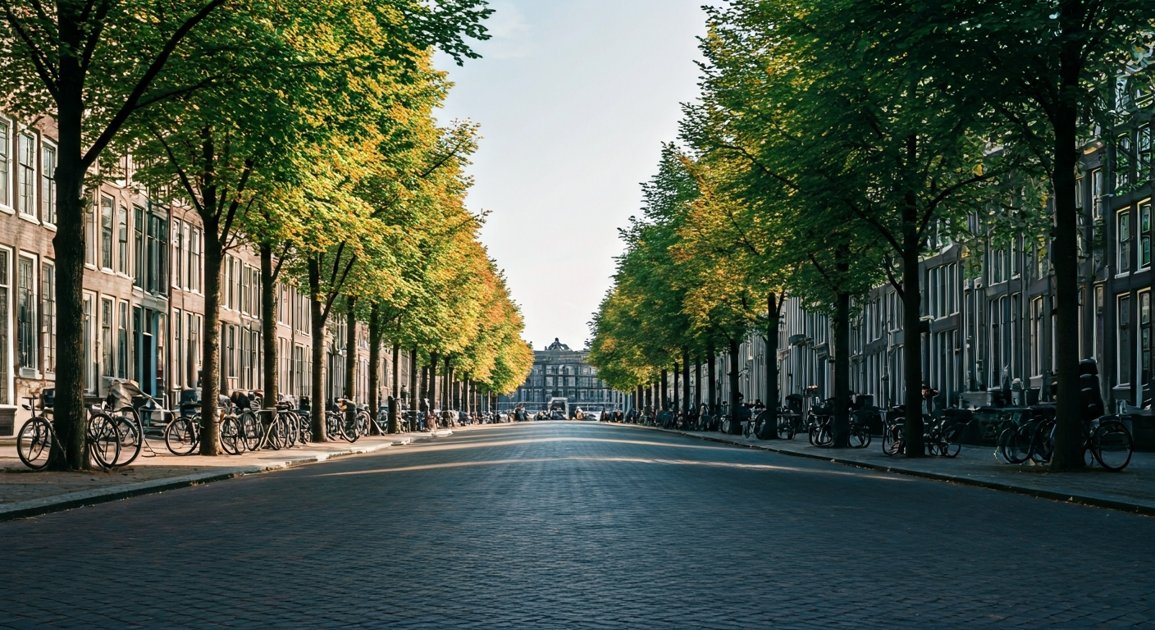
No discussion of cycling cities is complete without Amsterdam. Here, bikes aren't just transport; they're an extension of personal identity and a fundamental part of the urban fabric. With over 800,000 bikes for its 850,000 residents, cycling isn't a niche activity but the dominant mode of transport. Its extensive network of fietspaden (dedicated cycle paths) crisscrosses the city, allowing you to glide past iconic canals, charming gabled houses, and bustling markets. Exploring Vondelpark on two wheels or navigating the Jordaan district offers a quintessential Dutch experience unmatched by any other method.
Relocation Insight for Amsterdam
Moving to Amsterdam means integrating cycling into every facet of life. Here's what to consider:
- Bike Ownership & Security: Most residents own multiple bikes. Expect to pay for a sturdy lock (or two!) and potentially bike insurance. Used bikes are plentiful and affordable.
- Navigating Dutch Traffic Rules: Cyclists have significant priority, but it comes with responsibilities. Learn hand signals, understand right-of-way rules, and always use lights at night.
- Integrating with Public Transport: Your bike will likely be your primary transport, but Amsterdam's excellent tram, bus, and metro systems complement cycling perfectly for longer distances or inclement weather. Bikes are generally not allowed on public transport during peak hours.
- Parking: Bike parking is abundant but also competitive. Utilize the multi-story bike parking facilities (like those at Centraal Station) when available.
Copenhagen, Denmark: Designing for the Bike
Copenhagen rivals Amsterdam for its cycling prowess, but with a distinctly modern, design-led approach. This city has invested heavily in creating a seamless cycling experience, featuring "cycle superhighways" that connect suburbs to the city center, intelligent traffic lights that prioritize bikes, and a pervasive culture where nearly half of all commutes are by bike. Cycle across the stunning "Circle Bridge" or explore the colorful Nyhavn district, and you'll quickly understand why Copenhageners are some of the happiest commuters on earth.
Relocation Insight for Copenhagen
Copenhagen's cycle infrastructure makes relocation incredibly smooth for cyclists:
- Winter Cycling Preparedness: Danish winters can be chilly and dark. Invest in good quality lights, warm (and waterproof) clothing, and perhaps studded tires if you're concerned about ice. The city does a great job of clearing cycle paths.
- Understanding Cycle Lanes and Signals: Copenhagen's cycle paths are often separated from both car traffic and pedestrians, ensuring safety. Pay attention to cycle-specific traffic signals, which often give cyclists a head start.
- Benefits of "Cykelsti" (Cycle Paths): These dedicated paths are wide, well-maintained, and often run parallel to major roads, making long-distance cycling comfortable and safe.
- Cargo Bikes: Famously popular for families and errands, cargo bikes are a common sight. Consider one for grocery shopping or transporting children.
Seville, Spain: A Sun-Kissed Two-Wheeled Transformation
Seville stands as a shining example of rapid urban transformation. Just over a decade ago, cycling was a fringe activity; today, it's central to the city's identity. Thanks to a relatively flat terrain, a pleasant climate, and an ambitious network of over 180 km of segregated carriles bici (bike lanes), Seville has become a cycling paradise. Pedaling past the Alcázar, through the Parque de María Luisa, or along the Guadalquivir River under the Andalusian sun is an unforgettable experience, offering a uniquely relaxed pace of urban exploration.
Relocation Insight for Seville
Moving to Seville with cycling in mind offers unique advantages:
- Cycling in the Heat: Seville experiences hot summers. Plan your rides for early mornings or evenings during peak summer months. Stay hydrated and dress appropriately.
- Bike Sharing Programs (Sevici): Seville's public bike-sharing scheme, Sevici, is excellent for short-term residents or those wanting to test the waters before buying. Long-term annual passes are very affordable.
- Combining Cycling with Walking Exploration: The compact city center is pedestrian-friendly, but your bike allows you to easily reach further neighborhoods and parks that might be a longer walk.
- Community & Leisure: Seville's vibrant outdoor culture extends to cycling. Join evening group rides or explore the numerous greenways that extend out of the city.
Pedal Power: Practical Advice for Moving to a Cycle-Friendly City
Beyond specific destinations, a successful relocation hinges on smart preparation and an open mind. Here's a broader guide for integrating cycling into your new urban life:
Research Your Route: Before You Arrive
- Local Cycling Laws and Etiquette: Every city has its nuances. Research helmet laws, required lights, right-of-way rules, and common courtesy among cyclists and other road users.
- Neighborhood Bike-Friendliness: While the city as a whole might be bike-friendly, specific neighborhoods vary. Look for connectivity to your workplace/school, local parks, and essential services via safe bike routes.
- Bike Shops and Repair Services: Identify reputable local bike shops for purchases, maintenance, and emergency repairs.
- Weather Patterns: Understand the local climate to pack appropriate clothing and consider weather-specific bike accessories (e.g., fenders for rain, warmer gloves for winter).
Gear Up: Essential Preparations
Having the right equipment is crucial for safety and comfort:
- Bike Type & Fit: Consider your primary use (commuting, leisure, cargo) and the city's terrain. A comfortable, well-fitting bike is key.
- Helmet and Lights: Non-negotiable safety items. Ensure lights are bright and reliable for both front and rear.
- Weather-Appropriate Attire: Layering is often best. Invest in waterproof outer layers, breathable fabrics, and comfortable footwear.
- Secure Locks: High-quality locks (or two different types, e.g., U-lock and cable lock) are essential for bike security in any city.
- Basic Repair Kit: A puncture repair kit, tire levers, and a small pump can save you from a long walk home.
Embrace the Culture: Living Like a Local
- Join Local Cycling Groups: A great way to meet people, learn new routes, and understand local cycling culture. Many cities have specific groups for commuters, leisure riders, or families.
- Use Cycling for Errands, Not Just Leisure: Integrate your bike into daily life for groceries, school runs, or meeting friends. This builds confidence and makes cycling second nature.
- Learn Basic Bike Maintenance: Being able to fix a flat tire or adjust your brakes will enhance your independence and save money.
- Mindful Riding: Be aware of pedestrians, other cyclists, and motor traffic. A courteous and predictable rider contributes to a positive cycling environment for everyone.
Your Two-Wheeled Relocation Checklist
Moving is complex; adding a cycling focus requires a few extra considerations:
- Passport/Visa & Necessary Documents: Ensure all travel and residency documents are in order for your new country.
- Research Local Transport & Cycling Infrastructure: Deep dive into specific neighborhoods, commuting routes, and bike share options.
- Budget for Bike Purchase/Rental/Accessories: Factor in the cost of a bike, locks, helmet, lights, and potentially cargo solutions.
- Plan Initial Accommodation: Look for housing with secure bike storage options, either indoors or in dedicated facilities.
- Pack Suitable Clothing: Include layers, waterproofs, and comfortable shoes for cycling in various conditions.
- Learn Basic Phrases: Especially useful for asking directions or handling bike emergencies in the local language.
- Notify Banks/Services: Update your address and contact information for all financial and essential services.
- Health Insurance: Ensure you have adequate health coverage that includes potential cycling-related incidents.
The Road Ahead: A Sustainable and Joyful Journey
Choosing a city that prioritizes cycling isn't just about getting from A to B; it's about embracing a lifestyle. It's about improved health, reduced environmental impact, significant cost savings, and a profound sense of connection to your surroundings. The cities highlighted above are pioneers, offering not just infrastructure, but a welcoming culture that makes two-wheeled living a pure joy. So, whether you're dreaming of a European adventure or seeking a new home where the journey is as rewarding as the destination, consider the power of the pedal. Your sustainable, vibrant, and incredibly free future awaits, just a bike ride away.