Cycling in Amsterdam: Rules of the Road for Newcomers
Mastering the Dutch Dance: Your Guide to Cycling in Amsterdam
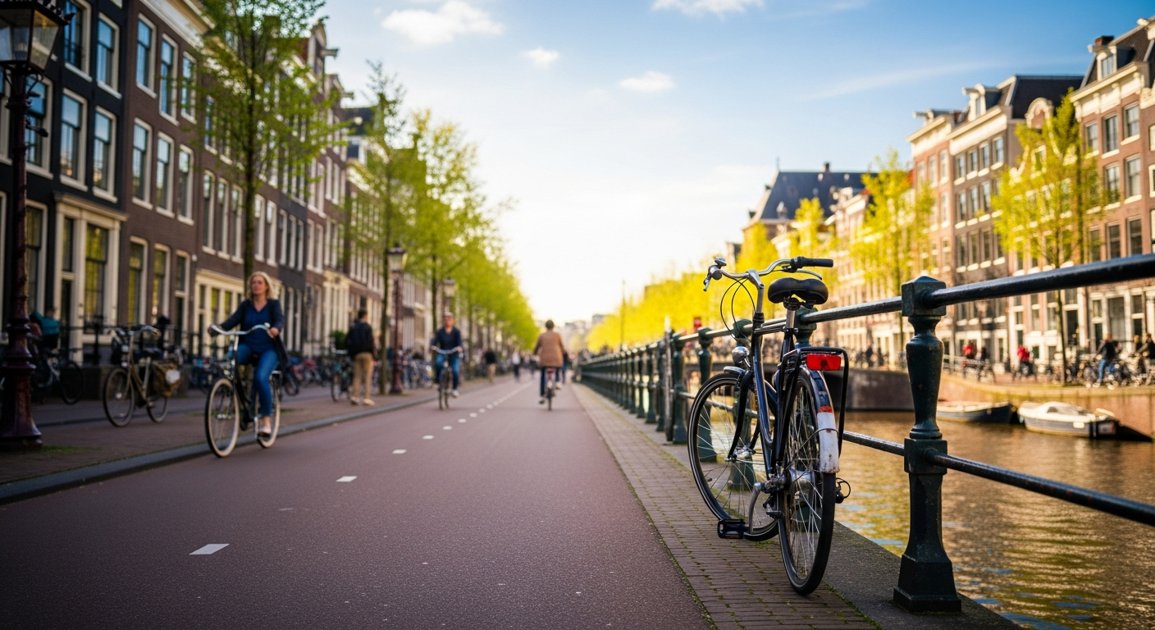
Imagine this: you've just arrived in Amsterdam, the canals sparkle, the gabled houses lean in conspiratorially, and the air buzzes with an energy unlike anywhere else. But what truly captures your attention is the sheer, mesmerizing ballet of bicycles. They are everywhere – carrying families, business people, students, and tourists, all moving with a practiced ease that seems almost magical. For the traveler, it's an iconic sight; for the aspiring expat or new resident, it's not just a sight, but a way of life waiting to be embraced. Becoming one with the Amsterdam cycle culture is key to truly unlocking the city, offering freedom, efficiency, and an authentic connection to your new home. But before you leap onto two wheels, understanding the local rules of engagement is crucial. This guide is your roadmap to navigating Amsterdam's bike lanes with confidence, whether you're here for a weekend or a lifetime.
The Unspoken Language of the Bike Lane: Understanding Amsterdam's Cycle Culture
A City on Two Wheels: More Than Just Transport
In Amsterdam, cycling isn't merely a mode of transport; it's a fundamental pillar of the local culture, a testament to efficiency, sustainability, and a certain laid-back Dutch pragmatism. You'll see bikes loaded with groceries, children, furniture, and even other bikes. It's often the fastest way to get from A to B, bypassing traffic jams and offering an intimate perspective of the city's hidden gems. For newcomers, understanding this ingrained culture is the first step. Locals navigate bike lanes with an almost intuitive flow, a blend of speed, awareness, and mutual respect (mostly!). Don't be intimidated; with a little practice and adherence to the rules, you'll soon find your rhythm.
Why You Can't Afford *Not* to Cycle
- Authentic Experience: There's no better way to feel like a local than to cycle along the canals.
- Efficiency: Beat traffic and public transport queues, especially for shorter distances.
- Cost-Effective: Once you have a bike, it's virtually free transport, saving money on public transport passes.
- Health & Wellness: A built-in daily workout, promoting a healthier lifestyle.
- Environmental Impact: Contribute to Amsterdam's green initiatives and breathe cleaner air.
The Essential Rules of the Road: What Every New Cyclist Needs to Know
While the Dutch seem to cycle with effortless grace, there are clear, albeit sometimes unspoken, rules governing their flow. Master these, and you'll transform from a nervous novice to a confident cyclist.
Basic Etiquette: Blending In, Not Standing Out
- Keep Right: Always cycle on the right-hand side of the bike lane.
- Signal Your Intentions: Use clear hand signals for turning left or right, and a downward motion for slowing or stopping.
- Mind Your Speed: While locals can be fast, don't feel pressured to keep up. Cycle at a comfortable, safe pace.
- Don't Stop Abruptly: If you need to stop, pull over to the side of the bike lane. Never stop in the middle, especially on bridges or narrow paths.
- Respect Pedestrians: While cyclists rule the bike paths, pedestrians have priority on shared spaces and crosswalks.
- "Ring Your Bell!": Your bike bell is your primary communication tool. Use it to warn pedestrians, other cyclists, or anyone who might be in your path. A quick, polite ring is usually sufficient.
Traffic Laws: For Your Safety and Everyone Else's
Amsterdam's traffic laws for cyclists are enforced, and ignoring them can lead to fines or, worse, accidents. Pay attention!
- Lights On: From dusk till dawn, and in low visibility conditions (fog, heavy rain), both a white front light and a red rear light are mandatory. Fines are steep for non-compliance.
- Right of Way: This can be tricky. Generally, traffic coming from the right has priority at unsigned intersections. However, trams and buses almost always have priority. Look for yield signs (triangles) and stop signs (octagons). Cyclists often have priority over turning cars – but always make eye contact and be prepared for the unexpected.
- One-Way Streets: Even if a street is one-way for cars, it might be two-way for bikes (indicated by a small white bike symbol with an arrow, sometimes accompanied by "uitgezonderd" meaning "except"). Pay attention to signage.
- No Drunken Cycling: Just like driving a car, cycling under the influence is illegal and can result in significant fines.
- Hands-Free Only: Using your mobile phone while cycling is prohibited unless it's hands-free. Keep your eyes on the road!
- Parking: Always park your bike in designated racks or areas. Never block entrances, pathways, or bridges. Illegally parked bikes are regularly removed by the municipality.
Navigating the Infrastructure: Understanding Your Path
- Bike Lanes (Fietspad): These are usually red asphalt or clearly marked paths dedicated exclusively to cyclists. Stick to them!
- Shared Paths: Some areas have paths shared with pedestrians. Exercise extreme caution and reduce your speed.
- Intersections: Can be complex. Follow the bike lane markings, traffic lights (look for the bike symbol), and directional arrows. Be especially wary of turning cars and trams.
- Canal Banks: Often picturesque but can be narrow and busy. Be patient and give way where necessary.
Gear Up! Your Cycling Toolkit for Amsterdam
Preparing yourself with the right equipment is just as important as knowing the rules.
Choosing Your Ride: Renting vs. Buying
- Renting (Short-Term Travelers): Numerous rental shops offer bikes by the hour, day, or week. Often, these are sturdy, no-frills bikes and sometimes include basic insurance. Ask for a "city bike" or a "Dutch bike."
- Buying (Long-Term Movers):
- Second-Hand: A popular and often sensible choice. Check Marktplaats (Dutch Craigslist), local bike shops, or even Facebook expat groups. Be wary of bikes that seem "too good to be true" – they might be stolen.
- New: For peace of mind and warranty, buying new from a reputable shop is an option, though more expensive.
Essential Accessories
- Locks (plural!): This cannot be stressed enough. Bike theft is prevalent. Invest in at least two good quality locks (a ring lock on the back wheel and a heavy chain lock for securing it to a fixed object).
- Lights: If your bike doesn't have integrated lights, buy clip-on front (white) and rear (red) lights.
- Bell: Ensure it's functional and loud enough to be heard.
- Rain Gear: Amsterdam weather is unpredictable. A waterproof jacket, trousers, or a cycling poncho will save you from sudden downpours.
- Basket or Panniers: Incredibly useful for carrying groceries, bags, or even your pet!
Insurance and Maintenance (for Movers)
For long-term residents, consider these practicalities:
- Bike Insurance: Some home insurance policies may cover bike theft, but dedicated bike insurance is often a wise investment, especially for more expensive models.
- Basic Maintenance: Learn how to check tire pressure and fix a flat tire. Puncture repair kits and a small pump are excellent investments.
- Local Bike Shops: Familiarize yourself with nearby bike shops for repairs, tune-ups, and advice. They are a staple of Dutch neighborhoods.
Beyond the Bike: Settling into Amsterdam Life (for Movers)
While cycling is central, a successful relocation involves more. Here's a brief checklist for your wider move:
- BSN (Burger Service Nummer): This is your national identification number, crucial for work, banking, healthcare, and pretty much everything. Apply for it after registering with your municipality.
- Accommodation: Start your housing search early, as the market is competitive. Consider temporary accommodation upon arrival.
- Dutch Bank Account: Essential for day-to-day living, receiving salary, and paying bills.
- Healthcare: Understand the mandatory health insurance system and register with a GP (huisarts).
- Language: While English is widely spoken, learning basic Dutch phrases will significantly enhance your experience and integration.
- Social Integration: Join expat groups, sports clubs, or volunteer to meet new people and build your community.
Pedal Towards Your New Adventure
Embracing cycling in Amsterdam is more than just adopting a mode of transport; it's a rite of passage, a declaration of independence, and a joyful immersion into the Dutch way of life. It offers unparalleled freedom to explore every charming canal, hidden alley, and bustling market. While the initial learning curve might feel a little daunting, remember that millions of Amsterdammers, from toddlers to centenarians, navigate these paths daily with ease. By respecting the rules, understanding the local culture, and equipping yourself wisely, you'll soon be weaving through the city with the confidence of a seasoned local. So, get ready to saddle up, ring your bell, and pedal into the vibrant heart of your new Amsterdam adventure!