Comparing Ride-Share Apps Around the World
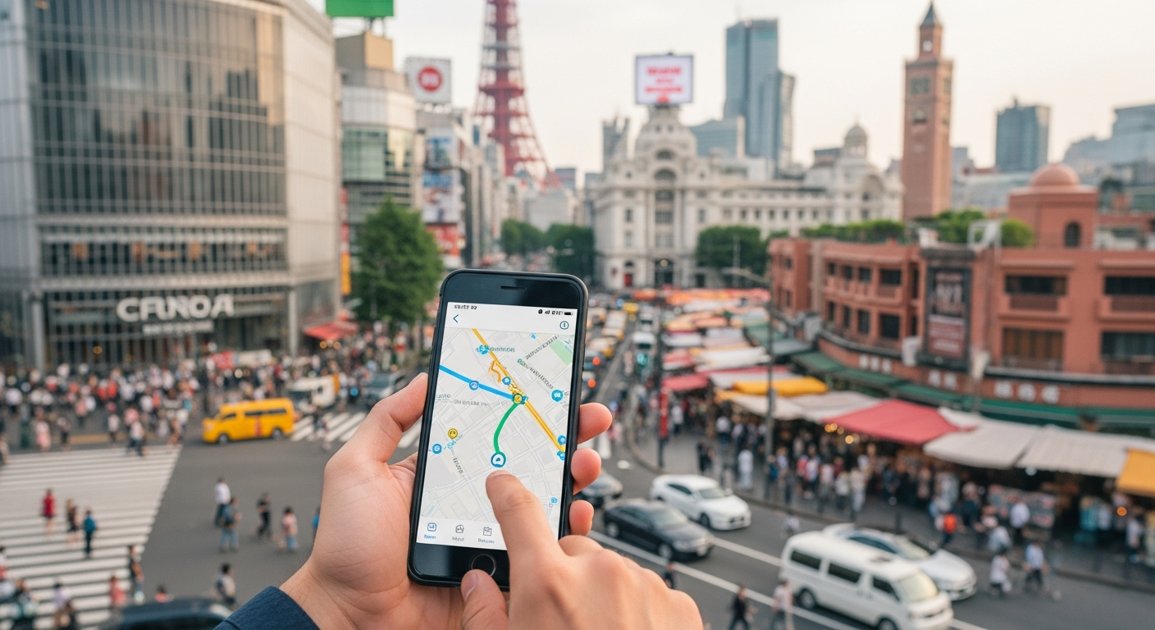
A World of Wheels: Navigating New Horizons with Ride-Share Apps
Imagine stepping off a plane, the scent of a new city in the air, a thrilling blend of the unknown and the eagerly anticipated. Whether you're embarking on a whirlwind adventure or planting roots in a new country, one of the first and most fundamental tasks is simply getting around. How do you transform from a bewildered arrival to a confident local, ready to explore bustling markets, serene parks, or the perfect apartment viewing? The answer, for many, lies in the palm of their hand: ride-share apps.
For the intrepid traveler, these apps are keys to spontaneous discovery and hassle-free transit. For the family relocating, they're the vital first link to a new life, ferrying suitcases, school supplies, and weary children across unfamiliar terrain. But the world of ride-sharing isn't a monolith; it's a vibrant, ever-changing tapestry of global giants and hyper-local heroes. Understanding this landscape isn't just about convenience; it's about safety, savings, and seamless integration into your new environment. Let's buckle up and compare the ride-share apps that will become your trusted companions around the world.
Beyond Convenience: The Strategic Role of Ride-Share Apps
More than just a way to hail a car, ride-share apps offer a suite of benefits crucial for anyone navigating unfamiliar cities:
- Predictable Pricing: Often, you see the fare before you accept, avoiding negotiation hassles or being overcharged.
- Cashless Transactions: Link your card and forget about fumbling with foreign currency, especially late at night.
- Language Barrier Bypass: Communicate through the app, share your destination via GPS, and often translate messages with your driver.
- Safety & Tracking: Share your trip details with friends or family, and track your journey in real-time. Driver and vehicle details are also recorded.
- Local Insights: Drivers can be a wealth of information about local customs, hidden gems, or practical tips.
Global Players vs. Local Favorites: Understanding the Landscape
While the concept of ride-sharing is universal, its execution varies wildly. Your beloved app at home might be a ghost abroad, while an unfamiliar name could be the dominant force.
The Titans: Uber & Lyft
Uber is arguably the most recognizable name globally, with a presence in over 10,000 cities across 70+ countries. Its widespread availability makes it a go-to for many travelers and an initial comfort for those relocating. Lyft, while a strong competitor in North America, has a much smaller international footprint, primarily limited to the US and Canada.
- Pros (Uber): Extensive global presence, familiar interface, often integrated with other travel platforms.
- Cons (Uber): Not everywhere, can face local regulatory challenges or strong local competition, prices can fluctuate widely with surge pricing.
- Relocation Tip: If Uber is available in your new city, it's a reliable initial option for airport transfers and getting oriented. Just don't assume it's the *best* or cheapest long-term solution.
The Regional Powerhouses
Once you step outside North America or Western Europe, regional apps often dominate. These apps aren't just alternatives; they are often superior in terms of availability, pricing, and local features.
- Grab (Southeast Asia): A super-app, Grab is ubiquitous in countries like Singapore, Malaysia, Indonesia, Thailand, and Vietnam. It offers ride-hailing (cars, motorbikes), food delivery, package delivery, and even payment services. It's often essential for daily life in the region.
- Bolt (Europe & Africa): Originally Estonian, Bolt has rapidly expanded across Europe, Africa, and parts of Latin America. Known for competitive pricing and a strong presence in many cities where Uber might be less dominant or more expensive.
- Didi Chuxing (China & Latin America): The undisputed king in China, Didi also has a significant presence in several Latin American countries (e.g., Brazil, Mexico). If you're going to China, Didi is a must-have, often integrated with local payment systems like WeChat Pay.
- Yandex.Go (Russia & CIS): Dominated by Yandex, this app offers a wide range of services beyond ride-hailing, including food delivery and grocery shopping, across Russia and former Soviet bloc countries.
- Ola (India & Australia/NZ): A major player in India, Ola also has a presence in Australia and New Zealand, offering competitive services against Uber.
Relocation Tip: Research the dominant local app *before* you arrive. Downloading and setting up accounts for these regional giants can save you significant time and money.
Niche & Local Gems
Beyond the major players, you'll find countless localized apps, some specific to a single city or offering specialized services:
- Free Now (Europe): A popular taxi-hailing app in several European countries (e.g., UK, Ireland, Germany, Spain), often integrating traditional taxis with ride-share services.
- Cabify (Spain & Latin America): Strong in Spanish-speaking markets, known for premium service and often fixed-rate pricing.
- Local Taxi Apps: In many cities, traditional taxi companies have their own apps that can be surprisingly efficient and sometimes more reliable during peak hours or in areas where ride-share services are less common.
Essential Tips for Seamless Ride-Sharing Abroad
Before You Go: Pre-Departure Checklist for Ride-Share Apps
- Download & Set Up All Potential Apps: Don't wait until you're on the curb. Download Uber, Bolt, Grab, Didi, etc., relevant to your destination. Create accounts, add payment methods (ensure your credit card allows international transactions and has 2FA set up).
- Secure Your Internet Access: An unlocked phone with a local SIM card or an eSIM is crucial. You can't hail a ride without data!
- Familiarize Yourself with Payment Options: While most global apps accept international credit cards, some regional apps (especially in Asia) heavily rely on local mobile payment systems (e.g., WeChat Pay, GrabPay). Research if you'll need to set these up.
- Understand Local Regulations: In some cities, ride-sharing might be restricted from airport pick-ups or certain areas. Know the rules to avoid confusion.
On the Ground: Maximizing Your Experience
- Always Verify Your Ride: Match the license plate, car model, and driver's name/photo in the app before getting in. Safety first!
- Be Aware of Surge Pricing: Peak hours, bad weather, or major events can dramatically increase fares. Check multiple apps if possible, or consider public transport during these times.
- Pin Your Location Accurately: Especially in busy areas, precise GPS pinning helps drivers find you faster and avoids cancellations.
- Learn Basic Phrases: A simple "Hello," "Thank you," or "Please go to..." in the local language goes a long way. Use the in-app chat for more complex communication.
- Have a Local Emergency Contact: If you're relocating, save a local friend or family member's number. For travelers, know how to contact your accommodation.
- Tip According to Local Custom: Tipping culture varies. In some places (e.g., US), it's expected; in others (e.g., Singapore), it's not customary.
Relocation-Specific Considerations
When you're moving, ride-share apps become more than just a convenience; they're an integral part of your initial settling-in process.
- Initial Transport for Heavy Luggage: Look for options like "XL" or "Van" categories on apps for larger vehicles to accommodate all your suitcases from the airport to your temporary accommodation.
- Exploring Neighborhoods: Use apps to easily visit potential housing areas, schools, or workplaces before committing to a lease.
- Daily Commutes: Once settled, evaluate if ride-sharing is cost-effective for your daily commute compared to public transport or buying a car. Factor in rush hour pricing.
- Delivery Services: Many regional super-apps (like Grab) offer food, grocery, and parcel delivery, which can be invaluable when you're setting up a new home and don't yet know your way around.
- Understanding Local Traffic Patterns: Apps give you real-time estimates, which helps you learn peak traffic times and plan your journeys accordingly.
A Comparative Glance: What to Look For (and Where)
When choosing an app, consider these factors:
- Availability: Is it widely used and reliable in your specific city? Check app store reviews for your destination.
- Pricing Structure: Is it transparent? Does it offer fixed rates or dynamic pricing? Compare with local taxi fares.
- Payment Methods: Does it accept your preferred method (international credit card, local digital wallet, cash)?
- Vehicle Options: Does it offer economy, premium, large vehicles, or even motorbikes?
- Safety Features: In-app SOS button, trip sharing, driver ratings.
- Customer Service: How easy is it to resolve an issue or report a problem?
- Language Support: Does the app and its drivers support English or your preferred language?
Pro-Tip: Before you land, join expat or traveler Facebook groups for your destination. Locals and long-term residents are a fantastic resource for current, real-world advice on the best and most reliable ride-share apps in their city.
Final Thoughts
The world is waiting, and getting around it has never been easier, or more diverse. Whether you're chasing the thrill of discovery or building a new life, mastering the local ride-share landscape is a powerful step towards feeling truly at home, wherever you are. By doing your homework, downloading the right apps, and staying aware of local nuances, you'll unlock unparalleled freedom and convenience. So go forth, explore, and let the journey be as smooth as the destination is inspiring. Happy travels, and happy new beginnings!