Can You Successfully Integrate into a Moroccan Neighborhood? A Practical Guide to Navigating Social Norms, Communal Rhythms, and Local Hospitality
Transitioning from Individualism to Community Living
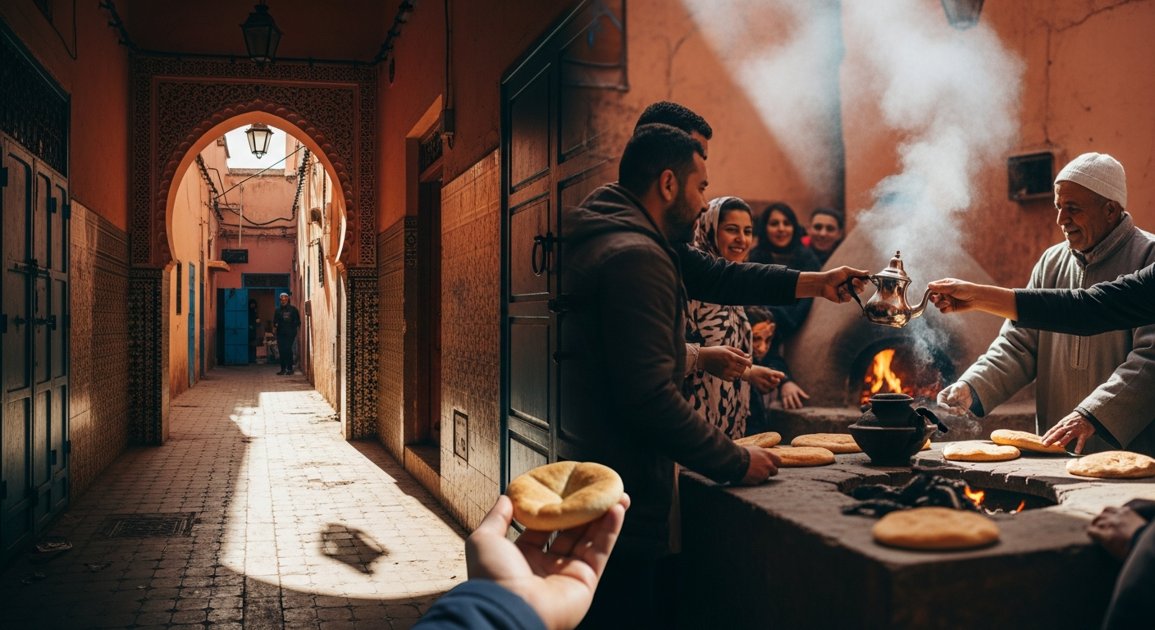
For many expatriates, the most significant adjustment when moving to Morocco is the shift from a culture of private individualism to one of collective visibility. In Western urban centers, neighbors may live side-by-side for years with minimal interaction. In a Moroccan neighborhood, or 'derb,' your presence is noticed, and your integration depends on how you engage with the established social ecosystem. Success is not measured by how well you stay out of the way, but by how effectively you participate in the daily life of the street.
The Core Rhythms of a Moroccan Neighborhood
Moroccan neighborhoods operate on a predictable schedule centered around religious practices, market hours, and the climate. To integrate, you must first observe these patterns.
- The Prayer Cycle: The five daily prayers dictate the flow of foot traffic. Businesses may close briefly, and the volume of the street shifts during these times.
- The Market Peak: Shopping is a daily activity. High-quality produce is found in the mornings, while the neighborhood socializes in the late afternoons when the heat dissipates.
- The Hanout: The local grocery store (hanout) is the neighborhood hub. It serves as a news center, a delivery point, and sometimes a source of informal credit. Establishing a rapport with your local 'moul hanout' is the first step toward social acceptance.
Actionable Steps to Build Local Trust
Building trust in a Moroccan community requires time and consistent, small-scale interactions. Use the following steps to establish your presence as a respectful resident:
1. Master the Extended Greeting
In Morocco, a simple 'hello' is insufficient. Greetings are ritualized and show respect. Use 'Salaam Alaikum' (Peace be upon you) and be prepared for a brief exchange about your health and well-being. Avoiding these interactions can be perceived as cold or arrogant.
2. Prioritize Local Commerce
While large supermarkets exist in most cities, buying your bread from the local bakery and your vegetables from the neighborhood stall demonstrates an investment in the local economy. These vendors are your primary advocates in the neighborhood.
3. Respect the Boundaries of Privacy
Moroccan architecture often features plain exterior walls with elaborate interiors, reflecting a high value on domestic privacy. Be mindful of sightlines; do not look into open windows or doors, and be discreet when taking photographs in residential areas.
4. Accept and Reciprocate Hospitality
If a neighbor offers tea or a plate of food, accepting it is a sign of respect. You are not required to provide an immediate return gift, but returning the plate with a small offering later—such as fruit or pastries—is a standard social practice that cements a relationship.
Navigating Social Norms and Etiquette
Integration is often a matter of avoiding common cultural faux pas. Data suggests that expats who adhere to local dress codes and noise standards report significantly fewer conflicts with neighbors.
- Dress Modestly: In residential neighborhoods, conservative attire is the norm. Dressing modestly signals that you respect the local culture.
- Right-Hand Dominance: When eating communal meals or shaking hands, always use your right hand. The left hand is traditionally reserved for personal hygiene.
- Manage Noise Levels: Moroccan walls can be thin. High-volume music or loud gatherings, especially late at night, are disruptive to the collective peace of the derb.
Plan Your Move with Precision
Relocating to a new country involves complex logistical and cultural considerations. The NewLife.Help comparison tool simplifies this process by analyzing cost-of-living data, neighborhood safety, and cultural compatibility to provide a personalized relocation report in seconds. Use this data-driven approach to ensure your move is grounded in factual insights.
Start Your Free Relocation Analysis
Conclusion
Integrating into a Moroccan neighborhood is not an overnight process; it is a gradual accumulation of daily interactions and demonstrated respect for local rhythms. By shifting your focus from individual privacy to community engagement, you transform from a temporary observer into a recognized member of the neighborhood. Success in Morocco is found in the consistency of your greetings, the frequency of your local errands, and your willingness to adapt to a more connected way of life.