Can You Really Turn a $1,000 'Akiya' Into a Retirement Haven? A Data-Driven Guide to Japan’s Vacant Home Market, Renovation Subsidies, and Rural Residency
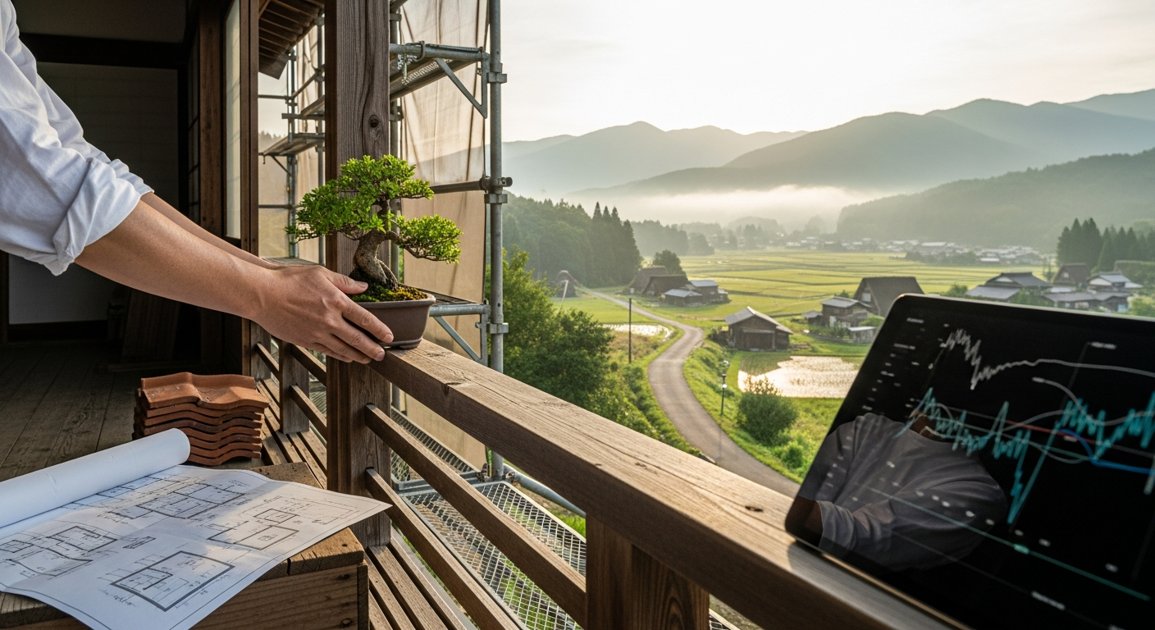
Social media is currently flooded with images of traditional Japanese farmhouses listed for the price of a used laptop. These abandoned properties, known as akiya, represent a growing demographic crisis in Japan, with over 8 million vacant homes scattered across the archipelago. For a retiree looking to stretch a pension, the prospect of a $1,000 home in a scenic rural prefecture is enticing. However, the gap between a viral headline and a liveable retirement haven is wide and paved with significant financial and bureaucratic hurdles.
The Financial Reality of the $1,000 Purchase
While the sticker price of an akiya can be negligible, the acquisition cost is never limited to the purchase price. Buyers must account for several immediate outlays that occur before any renovation begins.
- Registration Taxes (登録免許税): This is usually 2% of the property's assessed value (not the purchase price).
- Real Estate Acquisition Tax: A one-time provincial tax typically around 3% of the assessed value.
- Judicial Scrivener Fees: You will need a professional to handle the title transfer, costing between ¥50,000 and ¥150,000 ($350–$1,000).
- Agent Commissions: Even for cheap houses, agents often charge a minimum fee (usually around ¥300,000) because the standard percentage-based commission is too low to cover their work.
Renovation Metrics: What You Will Actually Spend
Most akiya have been vacant for years, leading to structural decay, mold, and outdated utilities. Turning these shells into comfortable retirement homes requires meeting modern standards, particularly regarding insulation and seismic resilience.
The 1981 Seismic Standard
Japan updated its building codes in 1981 (Shin-Taishin). Homes built before this date often lack the structural integrity to withstand significant earthquakes. Retrofitting an older home to meet these standards can cost between $20,000 and $50,000 alone. For retirees, this is a non-negotiable safety expense.
Utility and Infrastructure Overhauls
Budget for the following essential upgrades:
- Plumbing and Sewage: Many rural homes still use "vault toilets" or outdated septic tanks. Installing a modern jokaso (purification tank) costs approximately $5,000 to $8,000.
- Roofing: Traditional tile roofs are beautiful but heavy and prone to leaks. A full replacement or major repair typically ranges from $10,000 to $20,000.
- Insulation: Japanese homes are notoriously cold. Installing double-paned windows and modern wall insulation is vital for long-term comfort and energy efficiency.
Leveraging Municipal Subsidies
To combat rural depopulation, many local governments offer financial incentives to new residents. These vary significantly by municipality (shi/cho/mura).
Common subsidy types include:
- Renovation Grants: Often covering 33% to 50% of construction costs, capped at a specific amount (e.g., ¥1,000,000 or $7,000).
- Childcare Incentives: While less relevant for retirees, these can indicate a town’s long-term viability and the presence of younger families.
- Demolition Grants: If the house is beyond repair, some towns pay for the removal of the old structure if you agree to build a new one.
To access these, you must use the official "Akiya Bank" system—a database maintained by local governments—rather than private real estate portals.
Residency and Long-Term Integration
Buying property in Japan does not grant you a right to live there. Japan does not currently offer a specific "retirement visa." Retirees generally rely on a "Long-Term Resident" visa (if they have Japanese ancestry), a "Business Manager" visa (if they are running a business), or the 90-day visa-waiver program for part-time residency.
The Chonaikai: Social Expectations
Rural Japanese life is highly communal. As an akiya owner, you will be expected to join the chonaikai (neighborhood association). This involves:
- Annual Dues: Small fees for local maintenance.
- Clean-up Days: Participation in mowing grass, cleaning gutters, or preparing for local festivals.
- Garbage Management: Strict adherence to local sorting and disposal schedules.
Failure to participate can lead to social isolation, which is a significant risk for foreign retirees in remote areas.
Plan Your Move with Precision
Navigating the Japanese real estate market requires more than just a sense of adventure; it demands precise data and a clear understanding of regional differences. The NewLife.Help comparison tool analyzes your specific financial profile and lifestyle preferences to generate a personalized relocation report. Whether you are weighing the costs of a renovation in Nagano versus a turnkey property in Kyushu, this tool provides the metrics you need to make an informed decision in seconds.
Start Your Free Relocation Analysis
Transforming an akiya into a retirement haven is a viable strategy for those with the capital to renovate and the patience to integrate into a new culture. By treating the $1,000 purchase price as a down payment on a much larger project, you can mitigate financial risk and create a high-quality lifestyle in the Japanese countryside. Success lies in the data: account for every tax, verify every subsidy, and ensure your residency status is secure before the first hammer swings.