Can You Manage a Modern Household Without Cash? A Data-Driven Guide to Kenya’s M-Pesa Economy, KPLC Utility Tokens, and Essential Home Staffing
The Paradigm Shift: From Credit Cards to Mobile Wallets
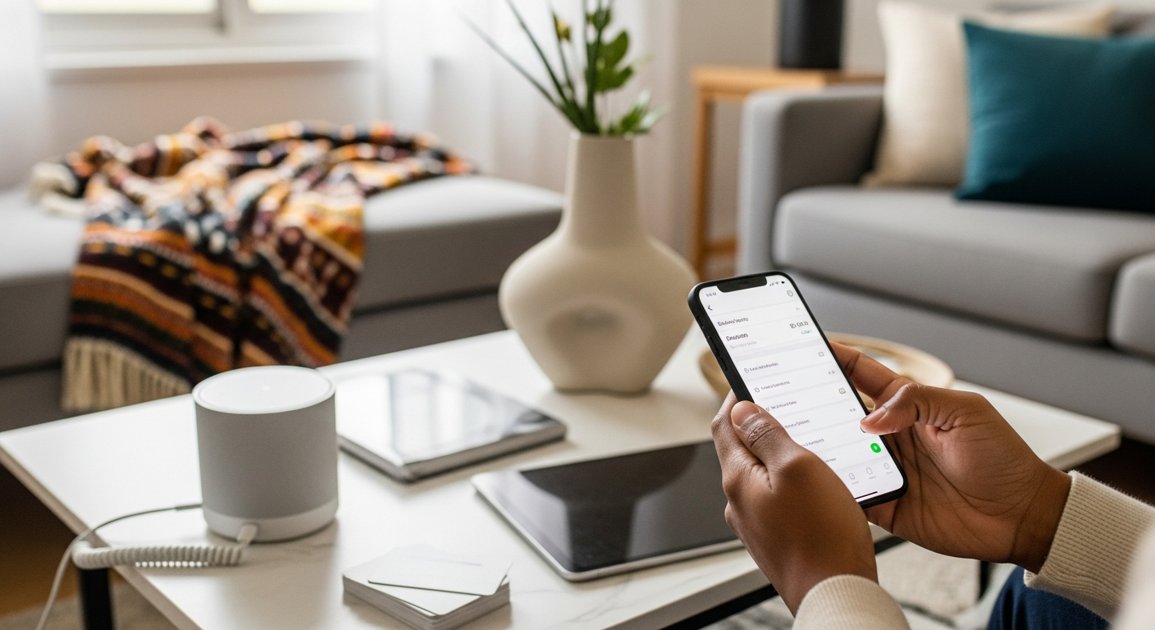
Relocating to Kenya requires a fundamental shift in how you view financial transactions. While the global North remains tethered to credit card processing and monthly billing cycles, Kenya has pioneered a 'prepaid' ecosystem powered by M-Pesa. Currently, over 50% of Kenya’s GDP flows through this mobile money platform. For a household manager, this means that nearly every utility—from electricity to water—is managed through a mobile handset rather than a bank portal or a physical checkbook.
The Mobile Money Standard: Understanding M-Pesa
M-Pesa is not merely an app; it is the infrastructure of daily life. To manage a household, you must register a Safaricom SIM card with your passport or Alien ID. Once registered, you can deposit cash at thousands of physical 'agents' or transfer funds directly from a local bank account.
Key Transaction Types
- Paybill: Used for utilities and large organizations. You enter a business number and your account number (e.g., your electricity meter number).
- Buy Goods and Services (Till Number): Used for grocery stores, gas stations, and small vendors. There is typically no transaction fee for the sender.
- Send Money: Used for peer-to-peer transfers, such as paying a casual laborer or a taxi driver.
Keeping the Lights On: Managing KPLC Tokens
Most modern residential properties in Kenya utilize prepaid electricity meters managed by Kenya Power (KPLC). This system prevents the 'bill shock' of unexpected monthly costs but requires proactive management to avoid sudden outages.
How to Purchase Electricity Tokens
- Open the M-Pesa menu or Safaricom App.
- Select 'Lipa na M-Pesa' and then 'Paybill'.
- Enter Business Number 888880 (for prepaid tokens).
- Enter your 11-digit Meter Number as the Account Number.
- Enter the amount and your PIN.
- You will receive an SMS with a 20-digit token code. Punch this code into your wall-mounted meter to credit your account.
Data Tip: Electricity prices in Kenya fluctuate based on fuel cost adjustments and forex adjustments. Buying in bulk at the start of the month can often result in a slightly different unit rate compared to multiple small purchases throughout the month.
Water Delivery and Municipal Services
Depending on your neighborhood, water is supplied either by the city council or through private boreholes. In many upscale areas, municipal water is supplemented by private water tankers (bowsers). Unlike electricity, water is often billed monthly, though many private suppliers now accept M-Pesa Till Numbers.
For city council bills, use Paybill 805300 for Nairobi Water. Always keep a digital record of your transaction confirmation, as manual reconciliation is sometimes required at the utility office.
The Etiquette of Paying Household Staff
Hiring domestic staff—such as housekeepers, gardeners, or private security—is standard for expatriate households. Paying via M-Pesa is the preferred method for both parties because it provides an immutable digital ledger of payments.
Best Practices for Staff Compensation
- Frequency: While monthly salaries are standard, many staff prefer a mid-month 'advance' for school fees or emergencies. M-Pesa makes these micro-transactions simple to track.
- Transaction Fees: When sending a salary, it is considered polite (though not legally required) to 'withdraw plus.' This means adding the small fee the employee will incur when they go to an agent to withdraw the cash.
- Transparency: Clearly label your transactions. Using the 'M-Pesa Note' feature allows you to specify 'January Salary' or 'Overtime,' which serves as a receipt for your domestic employment records.
Plan Your Move with Precision
Navigating the logistical nuances of a new country is complex, but data-driven insights make the transition manageable. Use our comparison tool to generate a detailed breakdown of costs, neighborhood safety ratings, and utility management strategies tailored to your specific needs. Get a personalized relocation report in seconds and start your transition with confidence.
Start Your Free Relocation Analysis
Conclusion
Operating a cashless household in Kenya is not only possible; it is the most efficient way to live. By mastering the M-Pesa ecosystem and staying ahead of prepaid utility cycles, you can manage your home logistics with a level of control that traditional banking rarely offers. The key to success lies in understanding the digital tools at your disposal and respecting the local social etiquette that governs the modern Kenyan economy.