Can You Actually Move Your Pet to Turkey Without a 3-Month Delay? A Data-Driven Guide to Rabies Titre Timelines, Import Permits, and Local Vet Care Costs
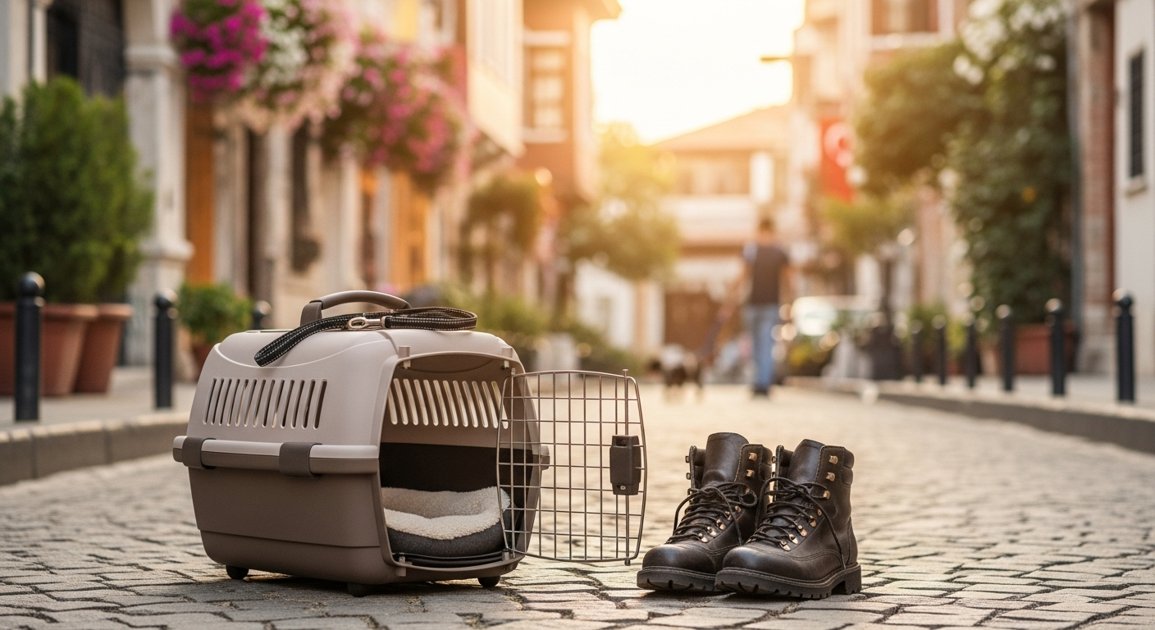
Relocating to Turkey involves navigating complex bureaucratic requirements, especially when bringing a pet. The most significant obstacle for pet owners is the rabies neutralizing antibody titration test. If you are planning a move, you must understand that skipping the 90-day waiting period is generally impossible for pets coming from high-risk or non-listed countries. Failure to follow this timeline results in the pet being refused entry or placed in mandatory quarantine at the owner's expense.
The 90-Day Rabies Titer Timeline
To enter Turkey, your pet must demonstrate sufficient immunity to rabies. This is measured through a Titer (FAVN) test. The process is strictly sequential and cannot be expedited through additional fees or expedited shipping. The clock starts not when the vaccine is given, but when the blood is drawn.
The Step-by-Step Preparation Process
- Microchipping: Your pet must be fitted with an ISO 11784/11785 compliant 15-digit microchip. This must occur before the rabies vaccination.
- Vaccination: A rabies vaccine must be administered after the microchip is implanted. If the pet was vaccinated before the chip, the vaccine must be repeated.
- Blood Draw: You must wait at least 30 days after the vaccination before a vet draws blood for the titer test.
- The 90-Day Wait: Once the lab confirms a result of at least 0.5 IU/ml, a mandatory 90-day waiting period begins. The pet cannot enter Turkey until 90 days have passed from the date the blood was drawn.
Required Paperwork and Customs Procedures
Documentation must be precise. Even a minor clerical error can lead to complications at Istanbul or Antalya customs. You will need to coordinate with both your local veterinarian and the government agricultural department in your home country.
Essential Document Checklist
- Original Titer Certificate: The physical copy from an EU-approved or OIE-authorized laboratory.
- Health Certificate: An international health certificate issued by an official government veterinarian (such as USDA in the US or CFIA in Canada) within 48 to 72 hours of departure.
- Vaccination Records: An up-to-date booklet showing all routine vaccinations (Distemper, Parvovirus, etc.).
- Turkish Import Declaration: While not always required for personal pets, check with your airline as some require a pre-arrival notification to Turkish customs.
Cost Analysis: Local vs. International Veterinary Care
One of the financial advantages of moving to Turkey is the high quality and relatively low cost of local veterinary services. Comparing these costs helps in budgeting for your pet's long-term care after the initial move.
Comparative Cost Estimates
In the United States or Western Europe, a standard consultation and annual boosters typically range from $150 to $300. In major Turkish cities like Istanbul, Ankara, or Izmir, the same services at a private clinic cost between 1,500 and 3,000 TRY ($45 - $90 USD). Emergency surgeries and diagnostic imaging (MRI/CT) are also significantly more affordable in Turkey, often costing 60% less than in the EU or North America.
However, specialized imported prescription diets and specific branded medications can be expensive due to import taxes and currency fluctuations. It is advisable to verify the availability of specific chronic medications with a Turkish vet before your departure.
Plan Your Move with Precision
The logistics of moving a pet are just one part of a successful relocation. The NewLife.Help comparison tool provides a personalized relocation report in seconds, offering data on everything from housing costs to local service availability. Use this resource to ensure every aspect of your transition is calculated and cost-effective. Start Your Free Relocation Analysis
Moving a pet to Turkey requires a minimum of four months of lead time to account for the vaccination-to-entry timeline. By strictly following the 90-day titer rule and preparing your documentation in advance, you can ensure your pet's entry into the country is handled according to official regulations, avoiding the stress of quarantine or entry refusal.