Buying Property in Spain as a Non-Resident: Legal Guide
Buying Property in Spain as a Non-Resident: Your Legal Guide to Unlocking the Spanish Dream
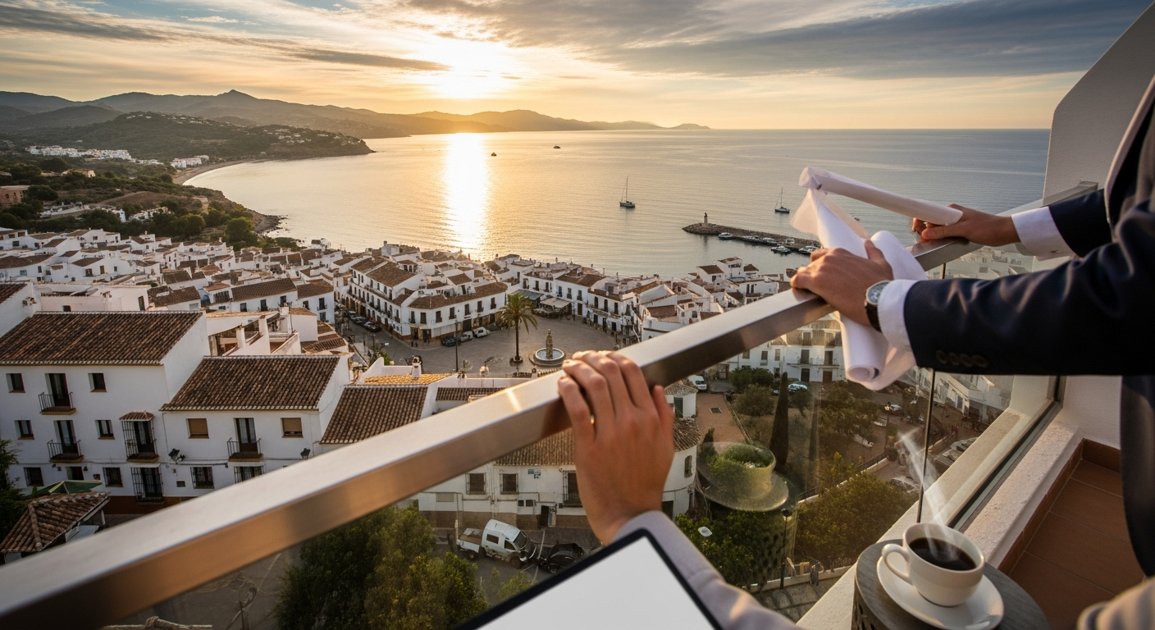
Picture this: the golden sun warming your skin, the scent of jasmine carried on a gentle breeze, a plate of fresh tapas beckoning from a nearby terrace, and the sound of waves just a whisper away. For many, Spain isn't just a holiday destination; it's a dream of a life, a place where vibrant culture meets a relaxed pace. And for an increasing number of individuals and families, that dream now includes owning a slice of this Mediterranean paradise. Whether you're seeking a sun-drenched holiday home, a savvy property investment, or the first step towards a full-time relocation, buying property in Spain as a non-resident is an exciting venture. Yet, navigating the legal landscape can feel as complex as deciphering a flamenco rhythm. Fear not! As your expert guide, I'm here to demystify the process, blending inspiration with actionable, step-by-step advice to turn your Spanish property dream into a beautiful reality.
Why Spain? The Allure of Mediterranean Living & Smart Investment
Spain consistently ranks high for quality of life, diverse landscapes, and a vibrant cultural tapestry. From the bustling cosmopolitan streets of Barcelona and Madrid to the tranquil olive groves of Andalusia, the stunning beaches of the Costas, and the rugged beauty of the Canary Islands, there’s a corner of Spain for everyone. Beyond the lifestyle, the Spanish real estate market offers compelling opportunities. Historically, it has proven resilient, and with attractive rental yields in popular tourist areas, it's an appealing destination for property investment. Property values, while cyclical, have shown strong growth in recent years, making it a compelling option for those looking to expand their portfolio.
Essential First Steps: Laying the Groundwork for Your Spanish Property Purchase
Before you even start browsing listings, there are a few fundamental administrative steps crucial for non-residents looking to buy property in Spain. Think of these as your building blocks – get them right, and the rest of the process will be much smoother.
1. Obtain Your NIE (Número de Identificación de Extranjero)
This is your foreign identification number and it's absolutely non-negotiable for almost any financial or legal activity in Spain, including buying property, opening a bank account, or arranging utilities. It's essentially your tax identification number.
- How to get it: You can apply for your NIE in Spain at a police station (Comisaría de Policía) with a foreign department, or from your home country at the Spanish Embassy or Consulate.
- What you'll need: Generally, your passport, a completed application form (EX-15), and a document justifying your application (e.g., intent to purchase property).
- Processing time: Can vary from a few days to several weeks, so apply well in advance.
2. Open a Spanish Bank Account
You'll need a Spanish bank account to manage all financial transactions related to your property purchase, including paying the deposit, the final purchase price, taxes, and ongoing utility bills and community fees.
- What you'll need: Your NIE, passport, proof of address in your home country, and proof of your economic activity/income (e.g., employment contract, tax returns).
- Tip: Look for banks that cater to non-residents and offer good online banking facilities.
3. Engage the Right Professionals
This is perhaps the most critical advice for non-residents. While it might seem like an added cost, professional guidance is an investment that protects you from potential pitfalls and ensures a legally sound purchase.
- Independent Lawyer (Abogado): Absolutely essential. Your lawyer will conduct due diligence, review contracts, manage all legal aspects, and represent your interests throughout the process. Ensure they are independent of the seller or real estate agent.
- Real Estate Agent (Agente Inmobiliario): Can help you find suitable properties, negotiate prices, and guide you through viewings. Choose one with strong local knowledge and good reviews.
- Mortgage Broker (if financing): If you plan to finance your purchase with a Spanish mortgage, a broker can help you navigate the options and secure the best terms for non-residents.
The Property Buying Process: Your Step-by-Step Legal Guide
With your groundwork laid, let's dive into the exciting journey of actually acquiring your Spanish home.
1. Property Search and Making an Offer
Once you've found your ideal property, your real estate agent (or lawyer) will help you make a formal offer to the seller. This offer might be subject to a property inspection or legal due diligence.
2. Due Diligence: The Lawyer's Critical Role
Once an offer is accepted, your lawyer will begin comprehensive due diligence. This is where they thoroughly investigate the property to ensure there are no hidden issues. Key checks include:
- Verifying Ownership: Confirming the seller is the legal owner via the Property Registry (Registro de la Propiedad).
- Checking for Debts & Charges: Ensuring the property is free of mortgages, liens, easements, or other encumbrances. This includes outstanding utility bills or community fees.
- Planning Permissions: Confirming the property was built legally and has all necessary permits.
- Energy Performance Certificate (EPC): This is legally required for all properties for sale or rent.
- Habitation Certificate (Licencia de Primera Ocupación): This certifies the property is suitable for habitation and meets local regulations.
- Fiscal Information: Confirming the cadastral value and annual property taxes (IBI).
3. The Private Purchase Agreement (Contrato de Arras)
Once due diligence is satisfactory, you'll sign a preliminary contract, often called a Contrato de Arras. This legally binding agreement outlines the terms of the sale, including the purchase price, completion date, and a description of the property.
- Deposit: At this stage, you'll typically pay a deposit, usually 10% of the purchase price, to the seller. This is held in an escrow account.
- Consequences: If the buyer pulls out without a valid legal reason, they lose the deposit. If the seller pulls out, they typically have to pay the buyer double the deposit.
4. Arranging Your Mortgage (If Applicable)
If you require a mortgage, this process will typically run concurrently with the due diligence and contract signing. A Spanish bank will assess your financial situation and the property's value (through a valuation report) to offer you financing.
5. Completion at the Notary (Escritura de Compraventa)
The grand finale! The completion takes place at a Notary Public's office. The Notary is a public official who ensures the legality of the transaction, verifies the identities of all parties, and witnesses the signing of the public deed of sale (Escritura de Compraventa).
- Attendees: Typically, you (or your lawyer with power of attorney), the seller, your lawyer, the Notary, and potentially a bank representative if a mortgage is involved.
- Payment: The remaining balance of the purchase price, along with associated taxes and fees, is paid at this stage.
- Signing the Deed: Once signed by all parties, the property ownership legally transfers to you.
6. Post-Completion Formalities
Your lawyer's job isn't done after signing! They will ensure:
- Property Registration: The public deed is registered at the Property Registry in your name. This is crucial for formalizing your ownership.
- Tax Payments: All relevant taxes (e.g., Transfer Tax or VAT/Stamp Duty) are paid.
- Utility Setup: Transferring utility contracts (electricity, water, gas, internet) into your name and setting up direct debits from your Spanish bank account.
- Community Fees: Registering you as the new owner with the Community of Owners if the property is part of an urbanization or apartment block.
- Non-Resident Tax Obligations: Advising on your ongoing tax obligations as a non-resident property owner (e.g., annual non-resident income tax, even if you don't rent it out).
Understanding the Costs & Taxes of Buying Spanish Property
Beyond the purchase price, there are several associated costs and taxes you need to budget for. As a general rule of thumb, allow for 10-15% on top of the property price, though this can vary by region and property type.
Purchase Taxes:
- Transfer Tax (Impuesto de Transmisiones Patrimoniales - ITP): For resale properties. This is a regional tax and typically ranges from 6% to 11% of the purchase price.
- VAT (IVA) and Stamp Duty (Actos Jurídicos Documentados - AJD): For new-build properties. VAT is generally 10% of the purchase price. Stamp duty varies by region, usually between 0.5% and 1.5%.
Other Associated Costs:
- Notary Fees: Legally regulated, based on the property price.
- Property Registry Fees: Also legally regulated, based on the property price.
- Legal Fees: Typically 1% to 1.5% of the purchase price, plus VAT.
- Mortgage Costs: If applicable, valuation fees, arrangement fees, and Stamp Duty on the mortgage deed (which banks typically cover since a 2018 ruling, but always confirm).
- NIE Application Fees: Minimal.
- Power of Attorney (if used): If your lawyer acts on your behalf, there will be notary fees for this.
Checklist for Your Spanish Property Journey
To keep you on track, here's a handy checklist for buying property in Spain as a non-resident:
- ✅ Secure your NIE number.
- ✅ Open a Spanish bank account.
- ✅ Engage an independent Spanish lawyer.
- ✅ Determine your budget and financing (cash or mortgage).
- ✅ Research desired regions/property types.
- ✅ View properties and make an offer.
- ✅ Ensure your lawyer conducts thorough due diligence.
- ✅ Sign the private purchase agreement (Contrato de Arras) and pay the deposit.
- ✅ Arrange for mortgage valuation and approval (if applicable).
- ✅ Attend (or have your lawyer attend) the signing of the Escritura de Compraventa at the Notary.
- ✅ Pay all purchase taxes and associated fees.
- ✅ Ensure the property is registered in your name at the Property Registry.
- ✅ Set up utility contracts and direct debits.
- ✅ Understand your ongoing non-resident tax obligations.
- ✅ Celebrate your new Spanish home!
Final Thoughts: Your Gateway to a Spanish Lifestyle
The journey to owning a property in Spain as a non-resident, while requiring careful attention to legal detail, is incredibly rewarding. From the initial spark of inspiration to the moment you turn the key in your new Spanish home, it’s an adventure that promises sun, culture, and a lifestyle that's truly unique. By understanding the legal roadmap, engaging the right professionals, and approaching each step with confidence, you're not just buying bricks and mortar; you're investing in an experience, a future, and a lifetime of unforgettable Spanish moments. ¡Bienvenido a su nueva vida en España!