Buying a Car in USA as a Foreign National
Your American Adventure Awaits: Navigating the Open Road as a Foreign National
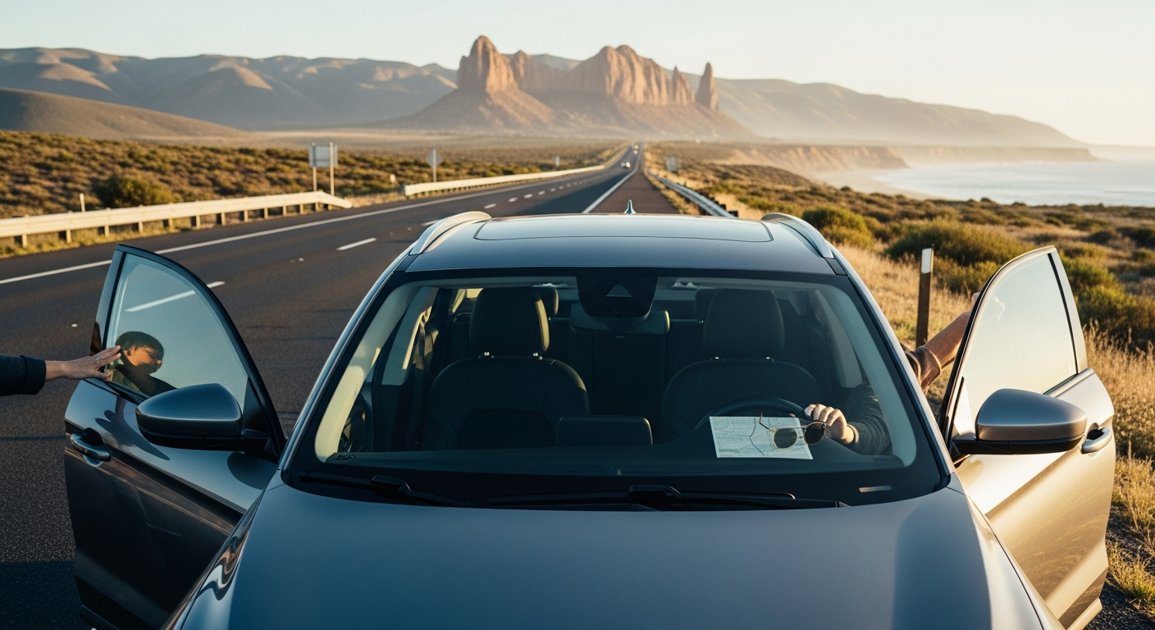
Imagine this: the vast, breathtaking landscapes of the United States stretching before you, the iconic highways unspooling into endless horizons, a sense of unparalleled freedom as you embark on a new chapter. Whether you're moving for work, study, or simply a prolonged exploration, the allure of the American journey is undeniable. But as the excitement builds, a practical truth emerges for many foreign nationals: a car isn't just a convenience in the U.S.; it's often a necessity, a key to unlocking that very freedom and opportunity. From daily commutes to weekend adventures, understanding how to secure reliable transport is paramount. Don't let the paperwork or unfamiliar processes deter you – with the right guidance, buying a car in the USA can be a smooth, empowering step in your relocation journey.
The American Dream on Wheels: Why a Car is Essential
Navigating the Vast Landscapes and Daily Life
The United States is a land of expansive distances. Unlike many other countries with robust public transportation networks, American cities (outside of a select few like New York, Chicago, or San Francisco) are often designed around car travel. Public transport can be limited, inefficient, or non-existent in many suburban and rural areas. This means that for everything from grocery runs and doctor's appointments to exploring national parks and visiting friends, having your own vehicle can transform your experience from logistical puzzle to effortless adventure.
More Than Just Transport: Independence and Opportunity
Owning a car in the U.S. offers more than just mobility; it grants a significant degree of independence and opens up a wealth of opportunities. It can simplify your job search, expand your housing options beyond areas with limited transit, and allow you to fully immerse yourself in local culture and beyond. For families, a car is often non-negotiable for school runs, activities, and everyday errands. It truly is your passport to making the most of your time in America.
The Road Map to Your US Vehicle: A Step-by-Step Guide
Purchasing a car in a new country can seem daunting, but breaking it down into manageable steps makes the process clear and achievable.
Step 1: Understanding Your Options – New vs. Used, Dealership vs. Private Seller
Your first decision will be what kind of car and where to buy it. Each option has its pros and cons, especially for foreign nationals:
- New Cars (Dealership):
- Pros: Full warranty, latest features, often easier to get financing (though still challenging for new arrivals).
- Cons: Highest price, rapid depreciation.
- Used Cars (Dealership):
- Pros: More affordable than new, some dealerships offer certified pre-owned (CPO) vehicles with warranties, financing options available.
- Cons: Higher prices than private sellers, interest rates might be higher without US credit history.
- Used Cars (Private Seller):
- Pros: Often the best prices, direct negotiation.
- Cons: No warranty, "as-is" sale (buyer beware), requires cash payment, more paperwork for you, higher risk of mechanical issues.
Step 2: Essential Documentation & Financial Preparedness
This is where careful preparation pays off. You'll need more than just your passport.
Key Documents Checklist:
- Your Passport and Visa
- I-94 Arrival/Departure Record (print from CBP website)
- Proof of U.S. Address (utility bill, lease agreement, bank statement)
- Social Security Number (SSN) or Individual Taxpayer Identification Number (ITIN)
- Note: An SSN is ideal for financing and many official processes. If you're not eligible for an SSN, an ITIN can serve as an alternative for tax purposes and some financial transactions, but might limit financing options.
- Valid Driver's License (International Driving Permit (IDP) + home country license, or a newly acquired US driver's license)
- Proof of Income/Employment (pay stubs, offer letter, bank statements)
- U.S. Bank Account (essential for payments and deposits)
Financing vs. Cash:
Without a U.S. credit history, securing a car loan can be tough. Many foreign nationals find:
- Cash Payment: The easiest and often most cost-effective option. It avoids interest rates and credit checks entirely.
- Specialized Lender Programs: Some dealerships or lenders offer programs specifically for foreign nationals or international students, often requiring a larger down payment and possibly higher interest rates.
- Co-Signer: If you have a trusted friend or family member with good U.S. credit, they might co-sign your loan, making approval easier and securing better rates.
- Secured Loan: Some banks might offer a secured loan where you use your own savings as collateral.
Step 3: Navigating Insurance Requirements
Car insurance is mandatory in nearly all U.S. states. You cannot legally drive a car off the lot without proof of insurance. Expect higher premiums initially without a U.S. driving history, but these will decrease over time with a clean record. Shop around with multiple providers (e.g., Geico, Progressive, State Farm, Allstate, AAA) and ask if they have programs for international drivers. Have your U.S. address, driver's license details, and the car's VIN (Vehicle Identification Number) ready.
Step 4: The Purchase Process & Registration
- Negotiate Price: Don't be afraid to haggle, especially at dealerships.
- Inspect the Vehicle: For used cars, always get a pre-purchase inspection from an independent mechanic.
- Sign Paperwork: Read everything carefully. You'll sign a Bill of Sale, and potentially a financing agreement.
- Receive Title: This is the ownership document. For new cars, it might be mailed later. For used private sales, it's typically signed over immediately.
- Temporary Tags: Dealerships usually provide temporary license plates.
- Register at DMV: Within a specified period (check your state's DMV website), you must register the vehicle in your name and get permanent license plates. This often involves paying sales tax and registration fees.
Step 5: Understanding US Driving Laws & Licensing
Before you hit the road, ensure your license is valid. Many states allow foreign nationals to drive with their home country license and an International Driving Permit (IDP) for a limited period (e.g., 30-90 days). For longer stays, you'll need to obtain a U.S. driver's license, which typically involves a written knowledge test and a practical driving test. Rules vary by state, so check your local Department of Motor Vehicles (DMV) website.
Overcoming Common Hurdles: Tips for Foreign Nationals
Building Credit (or Working Without It)
Lack of U.S. credit history is the biggest hurdle. To build it for future needs, consider:
- Getting a secured credit card.
- Becoming an authorized user on a trusted friend's credit card.
- Opening a bank account and paying bills on time (even rent and utilities can sometimes report to credit bureaus).
For car buying, as mentioned, cash is king. If financing, be prepared for higher interest rates or larger down payments.
Dealing with Dealerships
Dealerships can be intimidating. Here's how to navigate them:
- Do Your Research: Know the market value of the car you want before you go. Websites like Kelley Blue Book (KBB.com) and Edmunds.com are invaluable.
- Bring a Friend: If possible, bring a local friend who is familiar with car buying.
- Don't Rush: Take your time. Don't feel pressured into a sale.
- Understand the Contract: Ask questions about anything you don't understand before signing.
Language and Cultural Nuances
If English isn't your first language, bring someone who can translate complex terms. Be aware of sales tactics that might differ from your home country. Politeness is key, but so is firm negotiation.
Practical Transport Alternatives (While You Plan Your Purchase)
While a car is often ideal, here are some short-term or supplementary options:
- Ride-Sharing Apps: Uber and Lyft are widely available for convenient, on-demand transport.
- Public Transportation: Major cities have buses, subways, or trams. Check local transit authority websites.
- Car Rentals: An option for occasional longer trips, but expensive for daily use. Some companies have age restrictions and require a credit card.
- Biking/Walking: Feasible in dense urban areas, but not practical for most U.S. distances.
Your Pre-Purchase Car Buying Checklist
Use this checklist to ensure you're ready to make an informed purchase:
- ✓ Determine your budget (including purchase price, insurance, registration, and potential maintenance).
- ✓ Research car models that fit your needs and budget.
- ✓ Gather all necessary documents (passport, visa, I-94, proof of address, SSN/ITIN, driver's license, bank statements).
- ✓ Get quotes from several insurance companies.
- ✓ If financing, explore options with banks or dealerships and understand terms.
- ✓ Plan for a pre-purchase inspection by an independent mechanic for used cars.
- ✓ Understand your state's DMV requirements for registration and licensing.
- ✓ Research common driving laws and road signs in your state.
Driving Safely and Smartly in the USA
Once you have your car, safety is paramount. The U.S. has unique driving customs and laws:
- Right-Hand Traffic: Vehicles drive on the right side of the road.
- Speed Limits: Strictly enforced. Pay attention to posted signs.
- Right-Turn-On-Red: In most states, you can turn right at a red light after a full stop, unless a sign prohibits it.
- School Buses: Always stop when a school bus has flashing red lights and its stop sign extended, regardless of your direction (unless on a divided highway).
- Seatbelts: Mandatory for all occupants.
- Distracted Driving: Using a cell phone while driving is illegal in many states.
Final Thoughts
Buying a car in the U.S. as a foreign national might seem like a complex journey, but with careful planning and an understanding of the local landscape, it's a completely achievable and incredibly rewarding step. It's an investment not just in transportation, but in your independence, exploration, and successful integration into American life. By preparing your documents, understanding your financial options, and being smart about your purchase, you'll soon be cruising the open roads, ready to embrace every adventure that the United States has to offer. So, get ready to fasten your seatbelt – your American journey truly begins when you're in the driver's seat!