Beyond the Postcard: The Gritty, Beautiful Reality of Living in Southeast Asia
A Captivating Introduction: Beyond the Postcard – Diving into Southeast Asia
The image is seductive: pristine turquoise waters lapping at white sand beaches, ancient temples silhouetted against fiery sunsets, and the gentle rhythm of a life far removed from your own. Southeast Asia beckons with the promise of adventure, affordability, and a profound cultural immersion. But what happens when the vacation glow fades, and the thought of *living* amidst that vibrant tapestry takes hold? This isn't about two weeks in paradise; it's about the thrilling, sometimes challenging, and ultimately deeply rewarding reality of making Southeast Asia your home. As an expert travel writer and a seasoned relocation advisor, I’m here to guide you beyond the glossy brochure – into the gritty, beautiful truth of life here, offering both inspiration and the actionable steps to turn your dream into a tangible reality.
The Symphony of Senses: Embracing the Gritty Beauty
Living in Southeast Asia is less a gentle embrace and more a full-body immersion. It’s a sensory explosion that demands you engage with every fibre of your being. This isn't just a backdrop; it's the very fabric of daily life.
A Feast for the Eyes (and Ears, and Nose!)
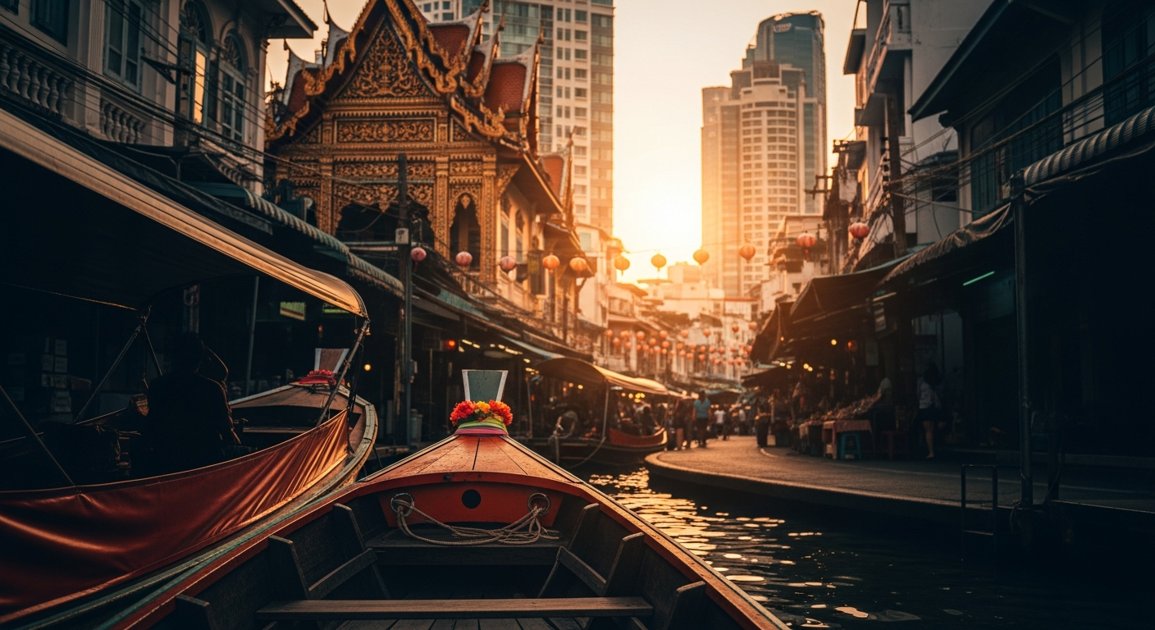
Step outside, and the world immediately comes alive. The air itself feels different – thick with humidity, often perfumed with the sweet scent of jasmine or the pungent aroma of durian, and always, *always* humming with noise. Motorbikes swarm like metallic bees, their horns a constant, percussive symphony. Street vendors call out their wares, sizzling woks add a smoky haze to the air, and children's laughter mixes with the distant chanting from a temple. Buildings range from gleaming modern skyscrapers to crumbling colonial-era shophouses, often side-by-side. The colours are audacious: brilliant silks, neon signs, technicolour fruits piled high on market stalls, and the lush, unapologetic green of tropical foliage threatening to reclaim everything. Yes, there's dust, chaotic traffic, and sometimes an overwhelming cacophony, but it's precisely this raw, unvarnished vitality that grabs you and refuses to let go.
The Heart of Hospitality: People and Culture
Despite the bustling streets, the people of Southeast Asia are often characterized by their warmth, resilience, and genuine kindness. There's a prevailing sense of community, a slower pace in personal interactions even amidst urban rush. Smiles are readily exchanged, and a helping hand is often offered without prompt. However, understanding cultural nuances is paramount. Concepts like "saving face," respect for elders, and indirect communication are deeply ingrained. Patience is not just a virtue; it's a survival skill. Embrace the differences, learn a few local phrases, and approach every interaction with humility and an open heart, and you’ll find doors opening in unexpected ways.
Culinary Adventures: A Taste of the Real SEA
Forget the tourist traps; the true soul of Southeast Asian cuisine resides on the streets and in local markets. This is where flavour reigns supreme, where every dish tells a story. From the fiery kick of Thai curries to the delicate balance of Vietnamese pho, the rich spices of Malaysian rendang, or the fresh vibrancy of Filipino adobo – your taste buds are in for an exhilarating ride. Be adventurous! Don’t shy away from plastic stools and open-air kitchens. Not only is it incredibly delicious and authentic, but it’s also often astonishingly affordable. Just remember to pick busy stalls (a good sign of fresh ingredients) and carry some hand sanitizer.
Practicalities Paved with Gold (and a few Bumps): Relocation Road Map
The romance of living abroad is undeniable, but the practicalities can be daunting. Here’s a pragmatic look at what you need to consider.
Visa Vistas: Navigating Entry
This is your starting line. Visa requirements vary dramatically by country and your nationality. Don’t assume anything. Research meticulously and plan well in advance. Tourist visas are not a path to long-term residency.
- Research specific country requirements: Malaysia, Thailand, Vietnam, Singapore, Philippines, Indonesia all have different rules.
- Common visa types: Tourist (short stay), Business/Work (requires sponsorship), Retirement (age/financial requirements), Student, Dependent, or "Digital Nomad" visas (emerging in some countries).
- Check validity and extensions: Know how long you can stay and if extensions are possible. Overstaying is a serious offense.
- Required documents: Passport validity (often 6+ months), onward/return ticket, proof of funds, invitation letters, etc.
Home Sweet (Southeast Asian) Home: Finding Your Sanctuary
Housing in SEA can be incredibly diverse and generally more affordable than Western counterparts, though prices vary wildly between bustling metropolises like Singapore and smaller towns in Thailand or Vietnam.
- Types of housing: Condominiums (most popular for expats, often with amenities like pools/gyms), serviced apartments (fully furnished, includes cleaning, higher cost), traditional houses (more common outside city centers).
- Rental markets: Often move fast. Use online portals (e.g., PropertyGuru, iproperty.com), local real estate agents, or expat social media groups.
- Negotiation: It’s often expected, especially for longer leases. Don't be afraid to haggle.
- Utilities & Internet: Often separate from rent. Internet is generally fast and reliable in urban areas.
Housing Checklist:
- Budget for rent + utilities (electricity, water, gas, internet).
- Factor in security deposit (1-3 months' rent typically).
- Understand lease terms and exit clauses.
- Check proximity to work/schools/amenities.
- Verify air conditioning, water heaters, and reliable internet are installed and working.
The Daily Grind: Transport, Banking & Healthcare
Navigating daily life requires understanding local systems.
- Transportation: Ride-hailing apps (Grab, Gojek) are ubiquitous, convenient, and affordable. Public transport (trains, buses) is excellent in major cities like Singapore, Kuala Lumpur, and Bangkok. For more rural areas, scooters are common but require caution and a valid license.
- Banking: Opening a local bank account can be challenging without a long-term visa or work permit. Many expats initially rely on international banks or digital-only solutions. Research foreign transaction fees for your home bank cards.
- Healthcare: Quality varies. Major cities often boast excellent private hospitals with English-speaking staff, but they can be expensive. Public healthcare is more affordable but may have longer wait times and language barriers. Comprehensive international health insurance is a non-negotiable for long-term residents.
Essential First Steps Upon Arrival:
- Purchase a local SIM card immediately for connectivity.
- Download essential apps: Grab/Gojek, Google Translate, local banking apps.
- Locate the nearest supermarket and pharmacy.
- Register with your embassy/consulate.
Money Matters: Cost of Living & Budgeting
One of SEA's biggest draws is its affordability, though this varies greatly. Singapore is notoriously expensive, while countries like Vietnam, Indonesia, and Thailand offer a significantly lower cost of living.
- Budgeting: Research typical costs for rent, food, transport, and leisure in your chosen city. Online expat forums are a great resource.
- Income & Savings: Ensure your income (whether remote or local employment) is sufficient. Maintain an emergency fund.
- Hidden Costs: Factor in visa renewals, international flights, health insurance, and potential education costs if moving with family.
Thriving, Not Just Surviving: Tips for a Seamless Transition
Beyond the logistics, truly living in Southeast Asia means adapting and embracing a new way of life.
Cultural Immersion & Language
Even if English is widely spoken in tourist areas, learning a few basic phrases in the local language (hello, thank you, please, numbers, food items) goes a long way. It shows respect and opens doors to deeper connections. Immerse yourself in local festivals, traditions, and daily routines. Be open to new perspectives and understand that not everything operates on Western logic.
Health & Wellness
Staying healthy is crucial. Drink bottled water, be mindful of street food hygiene, and protect yourself from the sun and mosquitoes. Consult your doctor about necessary vaccinations before you go. The tropical climate can be draining, so prioritize rest and hydration. Don’t forget about mental well-being; the challenges of adjusting to a new culture can be real, so build a support system.
Building Your Community
Connect with other expats through online groups (Facebook is huge for this), clubs, or social events. While expat friends provide a crucial support network, also make an effort to connect with locals. This is where you truly begin to understand and appreciate your new home.
For Families: Education & Activities
Moving with children requires careful planning. Research international schools (often pricey) or local schools. Look into family-friendly activities, parks, and communities that offer a good environment for kids to thrive. Many cities have excellent playgrounds, water parks, and cultural centers.
Your Southeast Asia Relocation Checklist: Ready, Set, Go!
Before you pack your bags, ensure you've ticked these off:
- Documents:
- Valid Passport (6+ months validity beyond intended stay)
- Approved Visa (printed copies & digital)
- International Driving Permit (if planning to drive/scooter)
- Copies of birth certificates, marriage certificates, academic degrees
- International Health Insurance policy details
- Financial:
- Notify your bank of your travel plans
- Set up online banking access
- Emergency cash (USD or local currency for immediate needs)
- Credit cards with low foreign transaction fees
- Budget for first 3-6 months (rent, deposit, initial setup costs)
- Health:
- Consult doctor for vaccinations & travel health advice
- Prescription medications (with doctor’s note)
- Basic first-aid kit, insect repellent, sunscreen
- Packing Essentials:
- Lightweight, breathable clothing (think linen, cotton)
- Good walking shoes & sandals
- Rain gear (light jacket/umbrella)
- Adaptors & converters for electronics
- Laptop/phone & chargers
- Any specific toiletries/comfort items you can’t live without
- Pre-Departure:
- Inform relevant government agencies (e.g., tax office)
- Forward mail, cancel subscriptions
- Say goodbye to friends and family!
Final Thoughts: The Unforgettable Journey Ahead
Living in Southeast Asia is not always Instagram-perfect. There will be moments of frustration – the relentless heat, the bureaucratic hurdles, the occasional language barrier. But these moments are quickly dwarfed by the sheer joy of discovery: the warmth of a stranger's smile, the revelation of a new favourite dish, the breathtaking beauty of an unplanned sunset, or the profound peace found in an ancient temple. It's a journey that will challenge you, humble you, and ultimately transform you. It's an opportunity to truly live, to strip away the unnecessary, and to find a profound connection with a region unlike any other. So, go beyond the postcard. Lean into the chaos, embrace the charm, and prepare for the most beautiful reality you could ever imagine. Your adventure in Southeast Asia awaits.