Best Neighbourhoods in Tokyo for English-Speaking Expats
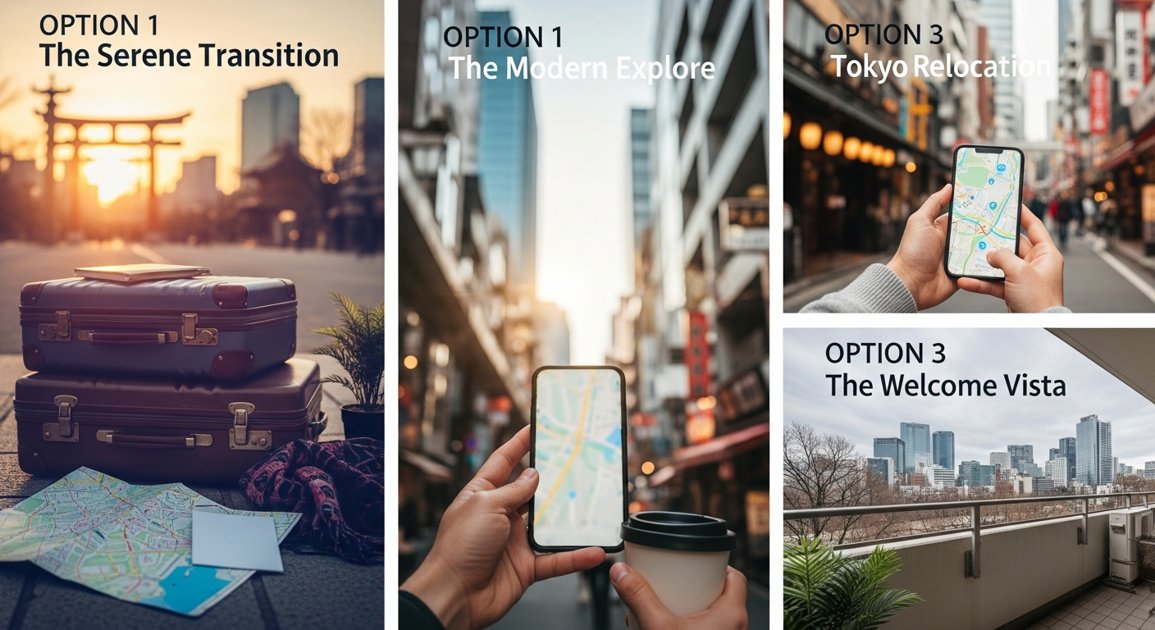
Welcome to Tokyo: Your Next Adventure Awaits!
Imagine a city where ancient shrines nestle beneath futuristic skyscrapers, where a serene tea ceremony can be followed by a night out in a neon-lit wonderland. That's Tokyo, a metropolis that simultaneously dazzles and calms, challenges and embraces. For many, it's a dream destination, a place to visit. But for a growing number of English-speaking expats, Tokyo is becoming home – a vibrant, unique, and utterly captivating place to build a new life.
The thought of relocating to a city as vast and culturally rich as Tokyo can feel daunting. Where do you even begin to plant your roots? The key to a smooth transition, and truly enjoying your Tokyo life, often lies in choosing the right neighborhood. This localized guide is designed to cut through the noise, offering actionable advice and insights into the best areas for English-speaking expats, blending the excitement of discovery with the practicalities of making a move.
Navigating Tokyo: Prime Neighbourhoods for English Speakers
1. Roppongi & Azabu (Azabu Juban, Hiroo) – The International Hub
If you're looking for a smooth landing with immediate access to an international community, Roppongi and its quieter, more upscale neighbors, Azabu Juban and Hiroo, are often at the top of the list. These areas are synonymous with expat life, offering a high concentration of international businesses, embassies, and English-speaking services.
- Vibe: Roppongi is famed for its nightlife, art museums (Roppongi Hills, Tokyo Midtown), and upscale dining. Azabu Juban offers a charming, village-like atmosphere with quaint streets, traditional shops, and chic cafes. Hiroo is decidedly residential, leafy, and popular with families thanks to its proximity to international schools and green spaces like Arisugawa-no-miya Memorial Park.
- Why Expats Love It: High density of English-speaking doctors, supermarkets (National Azabu, Meidi-ya) stocking international goods, English-friendly real estate agencies, and a strong sense of community. The transport links are excellent, connecting you easily to other major hubs.
- Practical Tip: Be prepared for higher rental costs. While Roppongi can be bustling and noisy, Azabu Juban and Hiroo offer a more tranquil existence while still being incredibly central and convenient.
2. Ebisu & Shibuya – Trendy, Convenient, and Connected
For those who crave a blend of urban sophistication, fantastic transport links, and a vibrant social scene, Ebisu and parts of Shibuya (away from the most intense tourist areas) are exceptional choices. These areas appeal to younger professionals and those who appreciate modern amenities and easy access to entertainment.
- Vibe: Ebisu is stylish, known for its excellent restaurants, craft beer bars, and the sprawling Yebisu Garden Place complex. Shibuya is iconic for its crossing and fashion, but move slightly away from the station, and you'll find charming residential pockets. Both offer a lively, youthful energy without being overwhelmingly touristy in their residential zones.
- Why Expats Love It: Superb train and subway access to virtually anywhere in Tokyo. A huge variety of dining and shopping options, many with English menus or staff. A good mix of modern apartments and some more traditional housing. Expats appreciate the ease of living and never being far from something interesting to do.
- Practical Tip: While living directly next to Shibuya Crossing might be too much, look for apartments in quieter areas like Shoto, Sarugakucho, or areas further down the Yamanote line from Ebisu for a more residential feel.
3. Meguro & Setagaya (Jiyugaoka, Futako-Tamagawa) – Family-Friendly Greenery
If you're an expat family or an individual seeking a more spacious, quieter, and greener environment, the Meguro and Setagaya wards offer wonderful options like Jiyugaoka and Futako-Tamagawa. These areas provide a welcome respite from the central city's hustle while maintaining excellent connectivity.
- Vibe: Jiyugaoka is often called "Little Europe" for its charming, boutique-lined streets, excellent cafes, and relaxed atmosphere. Futako-Tamagawa is a rapidly developing riverside town with a large shopping complex (Takashimaya S.C.), vast parks, and a modern, family-oriented feel. Both are known for their beautiful homes and community feel.
- Why Expats Love It: Excellent public schools (though Japanese immersion is key), international schools nearby, numerous parks and green spaces, and a strong sense of local community. Many expat families find these areas offer a better quality of life with more space for their money.
- Practical Tip: While central Tokyo is easily accessible, transport might involve a few more transfers. Explore local events and community centers to integrate, as these areas have a more local Japanese feel compared to Roppongi.
4. Kichijoji & Nakano – Artistic, Local Charm, and Value
For those willing to venture slightly further west of the city center in search of a more authentic local experience, combined with excellent amenities and often better value for money, Kichijoji and Nakano are strong contenders. These neighborhoods have a vibrant, creative energy and are beloved by both Japanese residents and expats alike.
- Vibe: Kichijoji is consistently ranked as one of Tokyo's most desirable places to live. It boasts the beautiful Inokashira Park (with its Ghibli Museum), a lively shopping arcade (Sun Road), diverse eateries, and a relaxed, bohemian atmosphere. Nakano is famous for Nakano Broadway, a haven for anime, manga, and pop culture enthusiasts, surrounded by a maze of traditional shotengai (shopping streets) and a growing number of stylish cafes.
- Why Expats Love It: More affordable housing than central Tokyo, a strong sense of local community, unique cultural offerings, and direct train lines (JR Chuo Line) that quickly connect to Shinjuku and Tokyo Station. Many independent shops and eateries offer a refreshing contrast to chain stores.
- Practical Tip: While English services are less common here, the friendly atmosphere and prevalence of younger, often English-speaking Japanese residents make it easier to navigate. It's a fantastic place to practice your Japanese!
Beyond the Neighbourhood: Practical Relocation Essentials
Finding Your Home in Tokyo
Tokyo's rental market can be competitive and has unique customs.
- Real Estate Agents: Many specialize in expat housing and have English-speaking staff. Major players include Ken Corporation, Plaza Homes, and Housing Japan.
- Key Money (Reikin) & Deposit (Shikikin): Be prepared for these upfront costs, often equivalent to 1-2 months' rent each.
- Guarantor: Most landlords require a Japanese guarantor. If you don't have one, guarantor companies are available for a fee.
- Apartment Size: Be realistic about space. Tokyo apartments are typically smaller than Western counterparts.
Healthcare & Insurance
Upon registering your residence, you'll be enrolled in Japan's National Health Insurance (NHI), which covers 70% of medical costs. It's affordable and high-quality. For specific needs, international clinics with English-speaking doctors are prevalent in expat-heavy areas.
Transportation
Tokyo's public transport system is legendary – efficient, punctual, and extensive. Invest in a Suica or Pasmo IC card, and download a good navigation app like Google Maps or Japan Transit Planner. Cycling is also a popular way to get around local neighborhoods.
Language & Culture
While English is increasingly common in major tourist and expat areas, learning even basic Japanese phrases will significantly enrich your experience and ease daily life. Embrace the cultural differences – punctuality, politeness, and respect are highly valued.
Relocation Checklist: Your Tokyo Blueprint
Here’s a concise checklist to guide you through your move to Tokyo, ensuring you don't miss any critical steps:
Before You Depart:
- Visa: Secure the appropriate visa (e.g., work, spouse, student).
- Flights & Temporary Accommodation: Book your travel and initial stay (e.g., serviced apartment, hotel).
- Documents: Gather passports, visa documents, international driving permit (if applicable), academic/work certificates.
- Financials: Inform your bank of your move, arrange international transfers, and understand currency exchange.
- Utilities/Subscriptions: Cancel or transfer existing services.
- Health: Get a medical check-up, ensure vaccinations are up-to-date, and pack essential medications.
- Packing: Ship necessary items, keep essentials for your first few weeks in carry-on.
Upon Arrival in Tokyo:
- Airport to Accommodation: Plan your transport from Narita/Haneda (e.g., Narita Express, Limousine Bus).
- Residence Registration: Within 14 days of moving into permanent accommodation, register at your local Ward Office (ku-yakusho) to obtain your Residence Card.
- National Health Insurance: Enroll at the Ward Office.
- Bank Account: Open a Japanese bank account (requires Residence Card and possibly a hanko/seal).
- Mobile Phone/SIM Card: Get a local phone number.
- Transportation Card: Purchase a Suica or Pasmo IC card.
Settling In (First Weeks/Months):
- Utilities Setup: Arrange for electricity, gas, water, and internet.
- Furniture & Appliances: Purchase necessary household items.
- Explore Your Neighborhood: Locate supermarkets, convenience stores, pharmacies, and local parks.
- Language Learning: Start or continue Japanese language lessons.
- Connect: Join expat groups (online and in-person), attend local events, and meet new people.
Final Thoughts: Your Tokyo Story Awaits
Relocating to Tokyo is more than just a change of address; it's an embarkation on an incredible journey. While the initial steps might seem complex, the rewards are immeasurable. Each neighborhood offers a distinct flavor of this magnificent city, and with a little research and preparation, you can find the perfect fit for your lifestyle.
Whether you're drawn to the international buzz of Azabu, the trendy pulse of Ebisu, the family-friendly calm of Setagaya, or the artistic charm of Kichijoji, Tokyo promises an experience like no other. Embrace the adventure, prepare practically, and get ready to write your own unforgettable chapter in the heart of Japan. Tokyo isn't just a place to live; it's a place to thrive.