Best Countries for Remote Work in 2025
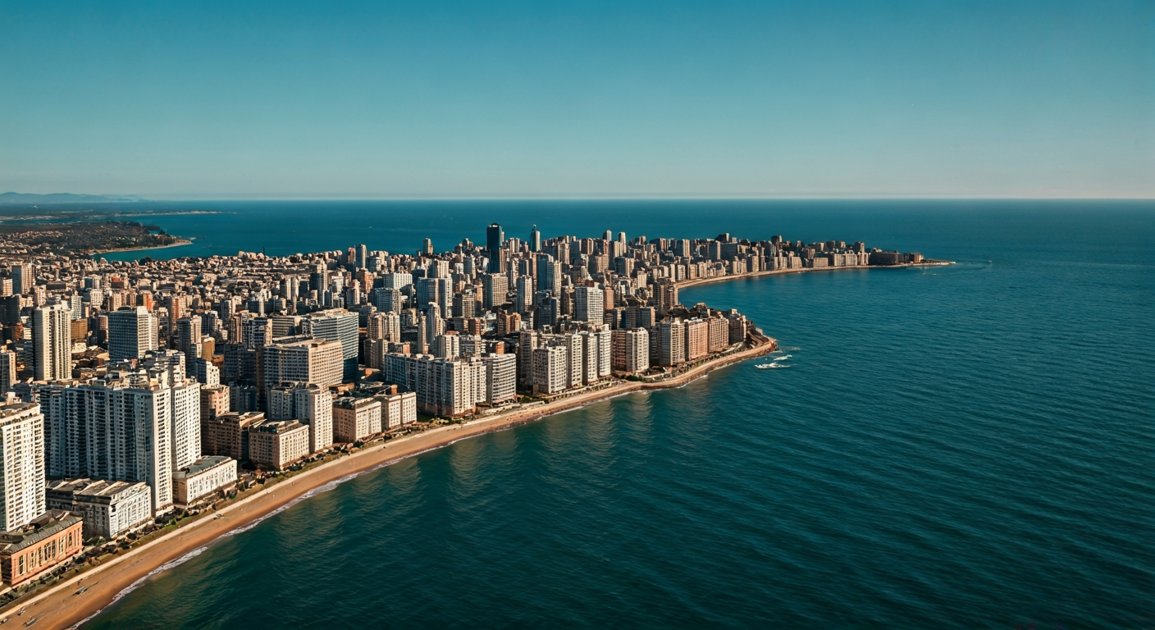
Unleash Your Wanderlust: The Best Countries for Remote Work in 2025
Imagine waking up to the sound of ocean waves, a fresh espresso in hand, ready to tackle your workday from a sun-drenched balcony overlooking an ancient city. Or perhaps you envision collaborating with colleagues while nestled in a cozy café, surrounded by a vibrant, international community. For many, the dream of combining professional growth with global exploration is no longer a fantasy, but a tangible reality. As we stride into 2025, the landscape of remote work continues to evolve, offering unprecedented opportunities for digital nomads, families, and individuals seeking a richer, more flexible life abroad. But with a world full of possibilities, how do you choose the right home base? This guide blends the thrill of travel with the practicalities of relocation, helping you discover the best countries to live and work remotely in 2025.
Portugal: Europe's Golden Ticket to Remote Life
Portugal has firmly established itself as a top contender for remote workers, and its charm shows no signs of waning in 2025. From the historic streets of Lisbon to the sun-kissed beaches of the Algarve, this Southern European gem offers a compelling mix of culture, climate, and connectivity.
Why Portugal?
- Vibrant Culture & Lifestyle: Portugal boasts a rich history, delicious food, world-class wines, and a laid-back pace of life. Weekends can be spent exploring ancient castles, surfing Atlantic waves, or hiking through stunning national parks.
- Digital Nomad Visa: Portugal's dedicated Digital Nomad Visa (D8 Visa) provides a clear pathway for remote workers to reside legally, making it one of the most accessible options for long-term stays in the EU.
- Affordable Living (Compared to Western Europe): While popular areas like Lisbon and Porto are seeing increased costs, many regions still offer a high quality of life at a more affordable price point than other Western European capitals.
- Excellent Connectivity: High-speed internet is widely available, and English is commonly spoken, especially in urban and tourist areas.
- Strategic Location: Ideal for exploring the rest of Europe and North Africa, with excellent flight connections.
Practical Steps to Remote Life in Portugal
Making the move to Portugal involves a few key steps:
- Visa Application: Research the specific requirements for the Digital Nomad Visa (or D7 Passive Income Visa if applicable to your situation) well in advance. This typically involves proving a stable income above a certain threshold, having health insurance, and securing accommodation.
- Accommodation: Start by looking for short-term rentals (1-3 months) to get a feel for different neighborhoods before committing to a long-term lease. Websites like Idealista, OLX, and local Facebook groups are great resources.
- NIF & Bank Account: You'll need a NIF (Número de Identificação Fiscal – tax number) to do almost anything in Portugal, from opening a bank account to signing a lease. This can be obtained fairly easily. Opening a local bank account simplifies financial transactions.
- Healthcare: As a resident, you'll have access to the public healthcare system (SNS), but many expats opt for private health insurance for broader coverage and shorter wait times.
- Community: Lisbon, Porto, and cities in the Algarve have thriving expat and digital nomad communities. Join local meetups, co-working spaces, and online groups to connect.
Costa Rica: Pura Vida & Pristine Nature
For those dreaming of a tropical escape where work blends seamlessly with nature's embrace, Costa Rica continues to be a top pick for 2025. Known for its "Pura Vida" philosophy, this Central American gem offers a slower pace of life, incredible biodiversity, and a growing infrastructure for remote workers.
Why Costa Rica?
- Digital Nomad Visa: Costa Rica launched its Digital Nomad Visa in 2022, allowing remote workers to stay for up to two years with tax incentives, making long-term residency much simpler.
- Unmatched Biodiversity: From lush rainforests and volcanic landscapes to pristine beaches on both the Pacific and Caribbean coasts, Costa Rica is an eco-tourism paradise.
- Stable & Safe: Often considered one of the most politically stable and safest countries in Central America, offering peace of mind.
- Friendly Locals & Expat Community: Costa Ricans (Ticos) are known for their warmth, and there's a well-established, welcoming expat community.
- Time Zone Advantage: Convenient for those working with clients in North and South America.
Practical Steps to Remote Life in Costa Rica
Embracing the Pura Vida lifestyle with your remote job requires some planning:
- Visa Application: Familiarize yourself with the specific income requirements and application process for the Digital Nomad Visa. You'll need to demonstrate a consistent income and have international health insurance.
- Internet Connectivity: While improving, internet speeds can vary, especially outside major cities and tourist hubs. Research providers and read reviews for your chosen area. Fiber optic is becoming more common.
- Accommodation: Popular digital nomad spots include San José, Santa Teresa, Tamarindo, and Nosara. Use Airbnb for short-term stays, and local real estate agents or Facebook groups for longer leases.
- Transportation: A car is often necessary for exploring outside urban centers. Public transport exists but can be limited in rural areas.
- Healthcare: Costa Rica has a high-quality public healthcare system (Caja Costarricense de Seguro Social – CCSS), and private options are also excellent. Digital nomads on the visa need private insurance.
- Spanish Immersion: While English is spoken in tourist areas, learning Spanish will significantly enhance your experience and integration.
Estonia: The Digital Frontier of Europe
For the tech-savvy remote worker seeking innovation, efficiency, and a forward-thinking environment, Estonia stands out in 2025. This Baltic nation is a global leader in e-governance and digital services, offering a seamless administrative experience for its residents and digital nomads alike.
Why Estonia?
- Digital Nomad Visa & E-Residency: Estonia was one of the first countries to introduce a Digital Nomad Visa, streamlining the process for non-EU citizens. Their pioneering e-Residency program also allows entrepreneurs to establish and manage an EU-based company entirely online, even if they don't live in Estonia.
- Highly Digitized Society: Almost all public services are accessible online, making bureaucracy virtually painless. This extends to banking, taxes, and even voting.
- Thriving Tech Scene: A hub for startups and innovation, offering a vibrant professional network and co-working spaces.
- High Quality of Life & Clean Environment: Tallinn, the capital, offers a blend of medieval charm and modern amenities. The country boasts clean air, vast forests, and a strong connection to nature.
- Strategic Location: An excellent base for exploring the Nordics, Eastern Europe, and the rest of the EU.
Practical Steps to Remote Life in Estonia
Embracing Estonia's digital future is surprisingly straightforward:
- Visa & E-Residency: Apply for the Digital Nomad Visa (type D) if you plan to reside in Estonia. If you're an entrepreneur, consider applying for e-Residency regardless of your physical location, as it provides a digital identity for your EU business.
- Accommodation: Tallinn is the primary hub for remote workers. Look for apartments on sites like Kinnisvara24, City24, or through local real estate agencies. Rental prices are moderate for a European capital.
- Internet & Infrastructure: Expect world-class internet speeds and reliable infrastructure. Co-working spaces are plentiful and well-equipped.
- Banking: Once you have your D-visa (and a residency permit if applicable), opening a local bank account is relatively easy. E-residents can also leverage digital banking solutions.
- Healthcare: Estonia has a good public healthcare system. Residents are covered, but having private travel or international health insurance for your initial move is wise.
- Language & Culture: Estonian is the official language, but English is widely spoken, especially among the younger generation and in the tech sector. The culture values efficiency, punctuality, and a strong connection to nature.
A Universal Remote Work Relocation Checklist
No matter where your remote work journey takes you in 2025, thorough preparation is your best companion. Use this checklist to guide your move:
- Visa & Immigration:
- Research specific visa requirements for your chosen country.
- Gather all necessary documents (passport, birth certificate, marriage certificate, financial statements, employment letters).
- Apply well in advance, as processing times can vary significantly.
- Financial Planning:
- Calculate initial setup costs (visa fees, flights, first month's rent/deposit, health insurance).
- Ensure you have at least 3-6 months of living expenses saved.
- Research tax implications in both your home country and the new country.
- Set up international banking or transfer services (e.g., Wise, Revolut).
- Work & Connectivity:
- Confirm your employer supports international remote work.
- Ensure your work equipment is travel-ready and compatible with local power outlets.
- Research internet providers and typical speeds in your target area.
- Consider a portable Wi-Fi hotspot as a backup.
- Healthcare & Insurance:
- Obtain comprehensive international health insurance.
- Understand the local healthcare system and any reciprocal agreements.
- Pack a supply of any essential prescription medications.
- Accommodation:
- Book short-term accommodation for your arrival.
- Research long-term rental market trends and average costs.
- Be aware of rental scams – never send money without a verified viewing or trusted intermediary.
- Logistics & Essentials:
- Plan your packing strategically – minimize bulk, prioritize essentials.
- Research local transportation options.
- Learn basic phrases in the local language.
- Join online expat/digital nomad groups for your destination.
Final Thoughts
The world of remote work in 2025 is rich with opportunity, inviting you to rewrite your narrative and blend your professional ambitions with a life of adventure. Whether you're drawn to Portugal's sun-drenched shores, Costa Rica's wild beauty, or Estonia's digital efficiency, the dream of international living is more accessible than ever. While the allure of new horizons is undeniable, remember that careful planning and a proactive approach are the keys to a smooth transition. Armed with the right information and a spirit of adventure, you're not just moving to a new country; you're stepping into a new chapter of personal and professional growth. So, pick your paradise, start planning, and get ready to work from anywhere!