5 Best Tallinn Neighbourhoods for Your 2026 Relocation
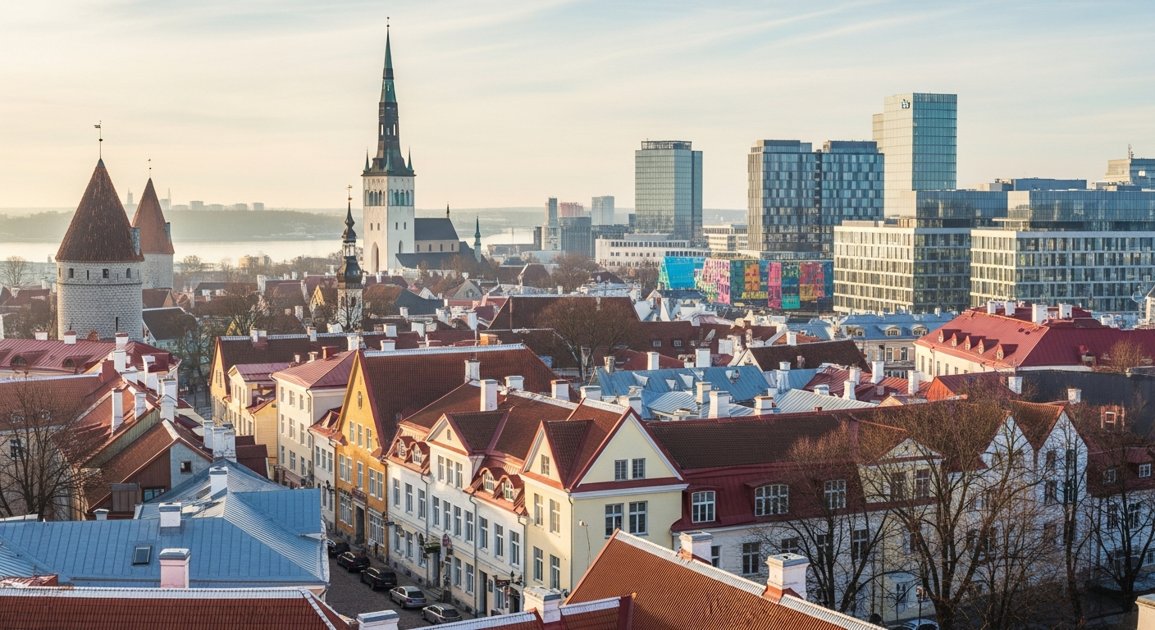
Estonia currently holds the world record for the most startups per capita, and its capital, Tallinn, serves as the operational engine for this digital-first economy. For professionals and families relocating to this Baltic hub, the city offers a unique combination of medieval charm, ultra-modern infrastructure, and a high quality of life. Selecting the right area to live in is the most critical decision in the relocation process, as each district offers a starkly different lifestyle. Identifying the best tallinn neighbourhoods for expats requires a look beyond the limestone walls of the Old Town to understand the specific market trends, utility costs, and community dynamics projected for 2026.
Evaluating the best tallinn neighbourhoods for expats: A 2026 Comparison
Tallinn is divided into eight administrative districts, but for the majority of international residents, the search usually narrows down to five specific areas. These districts have seen the most significant investment in infrastructure and housing stock over the last decade. While the Old Town (Vanalinn) is iconic, its status as a UNESCO World Heritage site makes it more suitable for short-term stays rather than long-term residential living due to noise levels and restricted vehicle access.
| Neighbourhood | Primary Vibe | Avg. 1-Bed Rent (2026 Est.) | Ideal For |
|---|---|---|---|
| Kalamaja | Bohemian / Industrial | €850 – €1,100 | Tech workers & creatives |
| Kadriorg | Prestigious / Green | €1,000 – €1,400 | Diplomats & executives |
| Kesklinn | Urban / Fast-paced | €900 – €1,300 | City lovers & commuters |
| Pirita | Coastal / Suburban | €1,200 – €1,800 | Active families |
| Haabersti | Modern / Practical | €750 – €1,000 | Budget-conscious families |
1. Kalamaja: The Creative Heart
Kalamaja has undergone a total transformation from a closed industrial zone into the city’s most trendy residential quarter. Known for its colorful wooden houses and the Telliskivi Creative City, it remains a top choice for those working in the tech sector. By 2026, the expansion of the Noblessner seafront area—a subset of Kalamaja—will be fully realized, offering high-end apartments with direct views of the Baltic Sea.
Living in Kalamaja means having the city’s best cafes, bars, and galleries within walking distance. The district is highly walkable and bike-friendly, though parking can be difficult in the older sections. For those looking for more space, the neighboring sub-district of Pelgulinn offers a similar aesthetic with slightly lower price points and a quieter, more residential atmosphere.
2. Kadriorg: Elegance and Tranquility
If your priority is proximity to nature without leaving the city, Kadriorg is the premier choice. Home to the Presidential Palace and the sprawling Kadriorg Park, this area is characterized by 19th-century luxury villas and high-spec new builds. It is widely considered the most prestigious residential area in Tallinn.
The pace of life here is slower. You will find expats jogging along the Reidi tee promenade or visiting the KUMU Art Museum. Kadriorg is well-connected to the city center via a 10-minute tram ride, making it perfect for those who want a quiet retreat at the end of the workday. Expect utility costs to be slightly higher here, as many of the historical buildings require specialized maintenance.
3. Kesklinn: The Central Business District
Kesklinn is the heartbeat of Tallinn’s commercial life. It includes the Rotermann Quarter, a masterfully restored industrial area that now houses upscale boutiques and lofts. This is the best location for individuals who want to be at the center of the action, with the highest concentration of fitness centers, cinemas, and international restaurants.
The housing stock in Kesklinn is diverse, ranging from high-rise glass apartments in the Maakri district to mid-century stone buildings. While it offers the most convenience, it also faces the most traffic congestion and lacks the expansive green spaces found in Kadriorg or Pirita. However, for those working in finance or the headquarters of major Estonian firms, the ability to walk to work is a significant advantage.
4. Pirita: Coastal Luxury for Families
Located about 15-20 minutes drive from the city center, Pirita offers a lifestyle centered around the beach and the forest. It is dominated by detached houses and low-rise luxury apartments. The air is noticeably fresher here, thanks to the massive pine forests and the sea breeze.
Pirita is the hub for water sports, featuring the city’s largest marina and a 2km sandy beach. For families, the local schools and the safe, quiet streets are major draws. While public transport to the center is reliable, living in Pirita is much easier with a car. It represents a higher entry price point but offers a level of privacy and space that central districts cannot match.
5. Haabersti: Practicality and Modernity
Haabersti, and specifically the Rocca al Mare sub-district, is an excellent option for families who need modern amenities at a more accessible price point. This area has seen massive development in recent years, with the construction of several new apartment complexes and the expansion of the Rocca al Mare shopping mall.
The district is home to the Tallinn Zoo and the Estonian Open Air Museum, providing plenty of weekend activities for children. The apartments here are generally larger and more energy-efficient than those in Kalamaja or Kesklinn, which translates to lower utility bills in the winter. The connection to the city center via the Paldiski highway is efficient, though peak-hour traffic should be accounted for.
Practical factors for choosing the best tallinn neighbourhoods for expats
When finalizing your choice, you must look beyond the monthly rent. The Estonian rental market has specific quirks that can impact your monthly budget and lifestyle. To ensure a successful relocation in 2026, consider these three operational pillars:
Understanding Utility Costs
In Estonia, utilities (kommunaalid) are almost always paid by the tenant on top of the rent. Because of the northern climate, heating costs can triple your monthly expenses in the winter. Before signing a lease, ask to see the utility bills from the previous February. New buildings with an 'A' energy rating are significantly cheaper to maintain than the charming wooden houses of Kalamaja or the stone buildings in the center.
Public Transport and the "Green Card"
Tallinn offers free public transport for all registered residents. Once you have officially registered your address with the Population Register and obtained your Estonian ID card, you can use the extensive bus, tram, and trolleybus network for free. This makes living in slightly further-out districts like Haabersti or Pirita much more cost-effective for daily commuters.
International Schooling Options
If you are relocating with children, your choice of neighbourhood may be dictated by the location of international schools. The International School of Estonia (ISE) and the Tallinn European School are both located in or near the Kesklinn area. While the local Estonian school system is world-class (consistently ranking top in PISA scores), most expats prefer the central districts to minimize the morning school run.
Steps to Securing Your Rental in 2026
The rental market in Tallinn moves exceptionally fast. High-quality listings in popular areas like Kalamaja often disappear within 24 to 48 hours. Follow these steps to secure your preferred home:
- Monitor Local Portals: Use websites like KV.ee and City24.ee, which are the primary platforms for real estate in Estonia.
- Prepare Your Documents: Have your employment contract and proof of identity ready. Landlords in Tallinn value stability and long-term commitments.
- Understand the Costs: Be prepared to pay the first month's rent, a security deposit (usually one month), and a broker’s fee (usually one month plus VAT) if the property is listed through an agency.
- Check the Land Registry: Ensure the person renting the property is the actual owner. This can be done via the e-Business Register for a small fee.
Planning Your Move to Tallinn?
Choosing the right district is just the first step. Our comprehensive relocation guides provide detailed data on the Estonian tax system, healthcare registration, and the digital residency process to help you transition to your new life in the Baltics with confidence.
Conclusion
Tallinn is a city that successfully balances its historical roots with an ambitious, tech-driven future. Whether you are drawn to the creative energy of Kalamaja, the regal quiet of Kadriorg, or the practical convenience of Haabersti, there is a district that aligns with your professional and personal needs. By focusing on the projected market trends and understanding the logistical nuances of the local rental market, you can find a home that offers both comfort and long-term value. As the city continues to grow into 2026, these five neighbourhoods remain the most robust choices for international residents looking to establish themselves in the heart of the Baltics.