5 Myths About Living in Egypt as an Expat in 2026
The Changing Face of North Africa
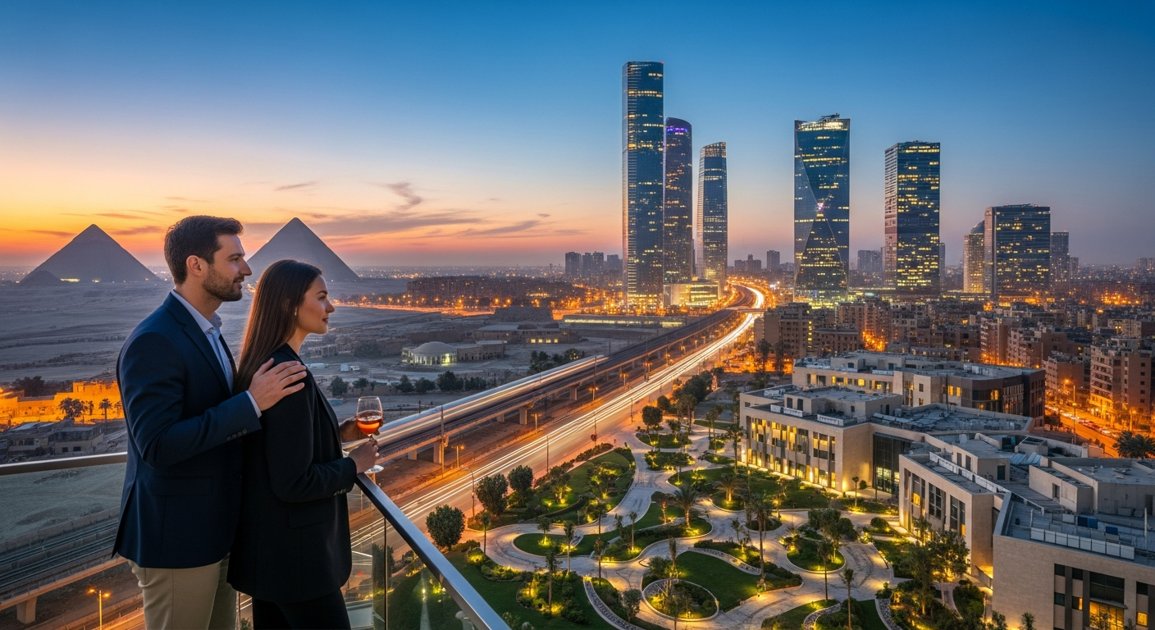
The silhouette of the Cairo skyline has undergone a radical transformation over the last five years, moving far beyond the ancient monuments that once defined the nation’s global identity. As of 2026, Egypt is no longer just a destination for archaeological tourism; it has emerged as a significant regional hub for remote workers, retirees, and entrepreneurs. Deciding to start living in egypt as an expat involves navigating a landscape where hyper-modern infrastructure in the New Administrative Capital meets the traditional bustle of historic quarters. For those looking to relocate, distinguishing between outdated stereotypes and the current economic and social reality is essential for a successful transition.
The 2026 Economic Landscape
Egypt’s Vision 2030 has reached several critical milestones, resulting in a dual-track economy. While the local population manages the complexities of a floating currency, expats earning in foreign denominations often find a level of purchasing power that is difficult to replicate in Europe or North America. However, this is not a country for the unprepared. Realizing the full potential of residency here requires a grounded understanding of security protocols, digital capabilities, and the evolving social contract between foreigners and locals.
Myth 1: Safety Is a Constant Concern for Living in Egypt as an Expat
One of the most persistent misconceptions is that Egypt remains a high-risk environment for foreigners. In reality, violent crime rates in Egypt are significantly lower than in many major metropolitan areas in the West. The Egyptian government has invested billions in security infrastructure, particularly in expat-heavy enclaves and the new urban developments east of Cairo.
Neighborhood Security and the Gated Community Model
Most expats choose to reside in neighborhoods like Maadi, Zamalek, or the increasingly popular New Cairo and 6th of October City. These areas are characterized by a high degree of communal safety. In 2026, the rise of 'Smart Cities' has integrated advanced surveillance and private security services into residential life. For a family living in egypt as an expat, the primary safety concerns are rarely related to crime, but rather to road safety and traffic navigation.
- Violent Crime: Statistically rare against foreigners; street harassment has seen a decline due to stricter enforcement of public decency laws.
- Political Stability: The current administration maintains a firm grip on internal stability, focusing heavily on economic growth and foreign investment.
- Emergency Services: Private hospitals and emergency response times in major cities have improved with the integration of GPS-based dispatch systems.
Myth 2: Digital Connectivity Is Unreliable for Remote Work
The image of the 'buffering' circle has long plagued the North African professional landscape. However, by 2026, Egypt has completed its third phase of the national fiber-optic rollout. The myth that you cannot run a global business from a villa in El Gouna or an apartment in New Cairo is officially dead. The government’s push to attract digital nomads has resulted in specialized 'Remote Work Visas' and a massive upgrade in bandwidth capacity.
Current Connectivity Statistics
Egypt now ranks among the top three African nations for fixed broadband speeds. Major providers like WE, Vodafone, and Orange offer competitive 5G packages that cover almost the entire Cairo metropolitan area and the Red Sea coast.
| Service Type | Average Speed (2026) | Reliability Rating | Primary Use Case |
|---|---|---|---|
| Fiber Optic (Home) | 200+ Mbps | High | Video Conferencing / Large File Transfers |
| 5G Mobile Data | 500 Mbps - 1 Gbps | Very High | On-the-go Professional Work |
| Co-working Spaces | Dedicated 1 Gbps | Elite | Startups and Networking |
Establishing Your Home Office
To ensure 100% uptime, experienced expats typically employ a dual-provider strategy. Using a fiber-optic home connection as a primary source and a 5G router as a failover is standard practice. This setup ensures that power fluctuations—which have decreased significantly with the commissioning of the Benban Solar Park and the El Dabaa Nuclear Plant—do not disrupt professional obligations.
Myth 3: Social Etiquette Is Restrictive and Opaque
Many prospective residents fear that they will inadvertently cause offense or be forced to adhere to extreme conservative standards. While Egypt is a Muslim-majority country with deep-rooted traditions, the social environment for foreigners is remarkably flexible, provided there is a baseline of respect. The idea that women must cover their heads or that social life is devoid of Western comforts is a vestige of the past.
Cultural Nuance vs. Strict Rules
The key to living in egypt as an expat is understanding the distinction between public and private spheres. In neighborhoods like Zamalek or the beach towns of Dahab and Hurghada, the lifestyle is cosmopolitan. Alcohol is served in licensed restaurants and hotels, and Western fashion is the norm.
Etiquette Tips for 2026
- Dress Code: While headscarves are not required, dressing modestly in traditional areas (covering shoulders and knees) is appreciated and reduces unwanted attention.
- Ramadan Awareness: During the holy month, eating or drinking in public during daylight hours is generally avoided out of respect, though most high-end restaurants remain open for expats.
- The "Baksheesh" System: Tipping remains a core part of the social fabric. It is not an 'extra' but a fundamental part of service industry compensation. Small amounts given frequently ensure high-quality service and local goodwill.
Myth 4: The Cost of Living Is High Due to Inflation
Egypt has indeed faced inflationary pressures over the last few years. However, for those with income in USD, EUR, or GBP, the cost of living remains one of the country's most significant draws. The myth that inflation has made Egypt expensive for foreigners ignores the currency exchange dynamics. By 2026, the market has largely stabilized, allowing for more predictable financial planning.
Monthly Budget Estimates (USD)
For a single professional or a small family, a monthly budget of $2,500 to $3,500 provides a lifestyle that would cost upwards of $8,000 in London or New York. This includes high-end housing, private schooling, and domestic help.
- Luxury Apartment (New Cairo): $800 - $1,200 per month.
- Private Healthcare Premium: $100 - $150 per month.
- Dining and Entertainment: $400 - $600 per month.
- Private Transport (Driver or Rideshare): $200 - $300 per month.
Myth 5: Administrative Bureaucracy Is an Insurmountable Barrier
Historically, "The Mogamma" (the central administrative building in Cairo) was the symbol of Egyptian red tape. That building is now a luxury hotel, and the bureaucracy it housed has been largely digitized. The myth that getting a residency permit or a driver's license takes months of physical queuing is no longer accurate.
The New Digital Residency Process
In 2026, the Egyptian Ministry of Interior has migrated most expat services to the "Digital Egypt" platform. Foreigners can now apply for residency renewals, pay utility bills, and register vehicles online. The introduction of the 'Five-Year Residency' for property owners and the 'Golden Visa' for significant investors has further streamlined the process of long-term settlement.
Step-by-Step Relocation Checklist
- Secure an E-Visa: Begin with a standard tourist e-visa to enter the country.
- Register with the Ministry: Upon arrival, register your address via the online portal within 15 days.
- Secure a Long-Term Lease: Use a reputable agency to find a property; a registered lease is often a prerequisite for a residency permit.
- Apply for Residency: Choose the track that fits your situation (Work, Investment, or Property Ownership).
Frequently Asked Questions
What is the quality of healthcare for expats in Egypt?
Healthcare in Egypt is excellent for those with private insurance. Hospitals like Dar Al Fouad and Saudi German Hospital offer world-class facilities, Western-trained doctors, and advanced medical technology. Most expats avoid public facilities and opt for comprehensive international insurance plans.
Is it necessary to learn Arabic to live in Egypt?
While English is widely spoken in business circles and expat neighborhoods, learning basic Egyptian Arabic (Ammiya) is highly recommended. It facilitates smoother interactions in daily life, assists in price negotiations, and is deeply respected by the local population.
How do I open a bank account as a foreigner?
Opening a bank account requires a valid residency permit and proof of address. International banks like HSBC and CIB are popular choices for expats as they offer robust online banking platforms and multi-currency accounts.
Can foreigners buy property in Egypt in 2026?
Yes, the government has actively encouraged foreign property ownership. Buying property valued at over $300,000 can qualify an expat for permanent residency, making it an attractive option for long-term settlers and retirees.
What is the school system like for expat children?
Egypt has a dense network of international schools following British, American, French, and German curricula. These schools are primarily located in New Cairo and Maadi, offering high educational standards and extracurricular activities, though tuition fees are a significant budget item.
Conclusion
Settling in Egypt in 2026 offers a unique proposition: the ability to live in a culturally rich, historically significant nation while enjoying the benefits of a modernizing economy and a low cost of living. By looking past the outdated myths of safety risks and digital isolation, prospective residents can see the country for what it has become—a dynamic and viable alternative for global citizens. Success in your transition depends on preparation, cultural respect, and the willingness to engage with a society that is as welcoming as it is ancient. Whether you are drawn by the Red Sea coast or the sprawling ambition of the New Administrative Capital, Egypt provides a foundation for a high-quality, professional, and socially engaging life.
Ready to Plan Your Move?
Moving across the world is a complex undertaking, but you don't have to do it alone. If you're considering making Egypt your new home, our team provides expert relocation consulting, from visa processing to finding the perfect neighborhood. Contact us today to receive a personalized relocation assessment and start your next chapter in the heart of the Middle East.